In modern concrete construction, formwork tie systems must withstand high loads, resist corrosion, and sometimes remain permanently embedded without compromising structural integrity. SupAnchor, a leading manufacturer of advanced anchoring and reinforcement products, has introduced the SupFRP® GFRP Tie Rod—an innovative fiberglass-reinforced polymer rod designed specifically for formwork applications where traditional steel tie rods are removed after curing. This product launch addresses key challenges in transportation, storage, corrosion, and long-term durability, offering contractors a reliable alternative for reinforced concrete structures across Europe and North America.
Recent infrastructure projects—from bridge decks and marine structures to high-rise foundations—demand materials that reduce lifecycle costs and improve safety. The SupFRP® GFRP Tie Rod meets these demands by combining high tensile strength, non-conductive properties, and permanent application capability in a lightweight package. Unlike steel rods that must be extracted and often leave voids or require grouting, this GFRP tie rod remains in place, saving labor and material while enhancing bond with surrounding concrete.
As part of SupAnchor's broader portfolio—which includes self drilling anchor systems, hollow bar anchors, and drill-and-grout bolts—the new GFRP tie rod leverages the company's expertise in geotechnical reinforcement systems to deliver a product tailored for formwork engineering. The rod's thread profile matches standard steel accessories, allowing seamless integration with existing formwork hardware and reducing the need for specialized components.
The SupFRP® GFRP Tie Rod is available in two primary configurations: T15/130 and T20/250. Both models feature a waved thread structure on the outside diameter, which improves mechanical interlock with concrete and ensures reliable load transfer. The table below summarizes key technical data.
| Parameter | T15/130 | T20/250 |
|---|---|---|
| Outside Diameter (mm) including waved thread | 17 | 22 |
| Nominal Cross Sectional Area (mm²) in core | 130 | 250 |
| Guaranteed Tensile Load (kN) | 130 | 250 |
| Tensile E-Modulus (GPa) | 45 | 45 |
| Ultimate Strain | 2.0% | 2.0% |
| Weight (kg/m) | 0.37 | 0.71 |
| Available Lengths (m) | 2, 3, 4, 5, 6, 7, 8, 9, 10, 11 | 2, 3, 4, 5, 6, 7, 8, 9, 10, 11 |
The guaranteed tensile loads of 130 kN and 250 kN ensure that these tie rods can handle formwork pressures encountered in walls, columns, and slabs. The 45 GPa tensile modulus provides sufficient stiffness for accurate concrete alignment without excessive deflection, while the 2.0% ultimate strain allows for some ductility before failure—an important safety margin in dynamic construction environments. The lightweight design (0.37 kg/m for T15/130 and 0.71 kg/m for T20/250) reduces manual handling effort and cuts transportation costs, especially for large-scale projects where hundreds of tie rods are used.
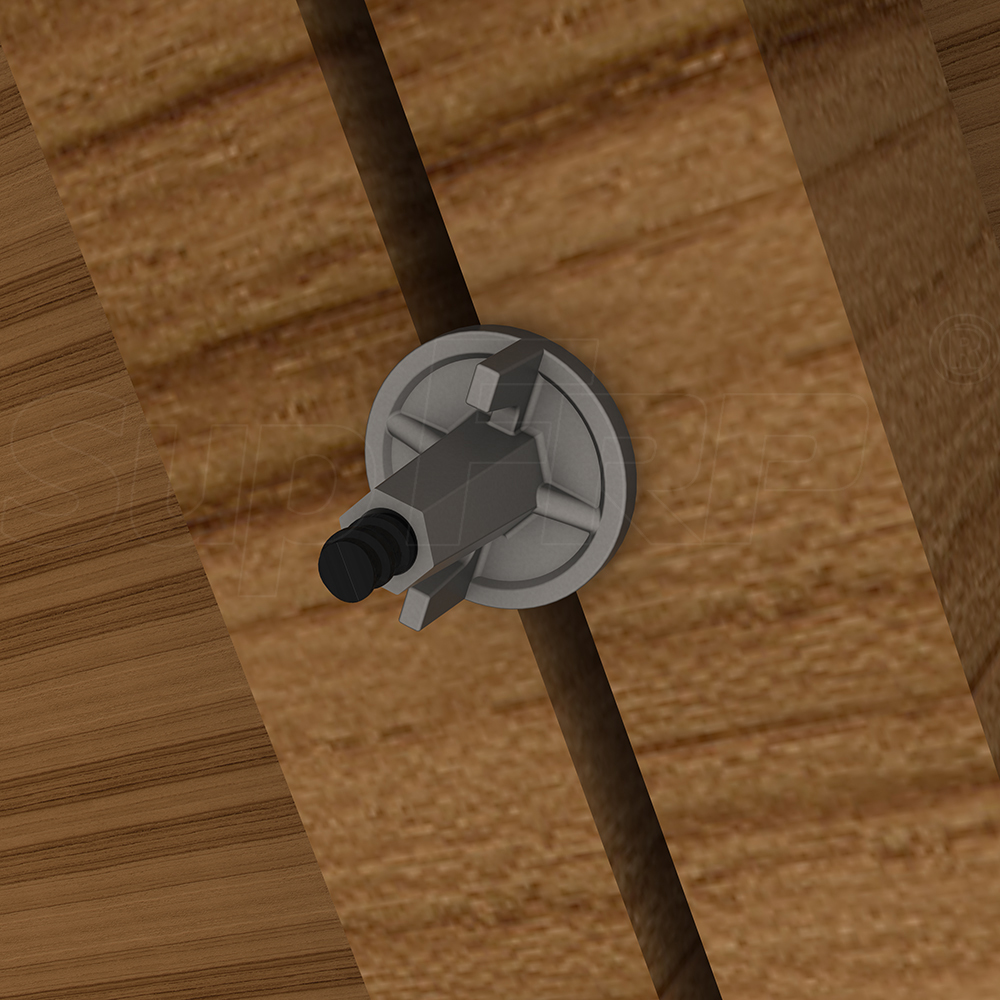
One of the most significant engineering advantages is the product's compatibility with standard steel rod thread profiles. This means contractors can use existing nuts, washers, and other accessories without modification, simplifying procurement and reducing inventory complexity. Additionally, the rod's permanent application eliminates the need for post-curing removal, which is often time-consuming and can damage concrete surfaces if not performed carefully.
Installation of the SupFRP® GFRP Tie Rod follows conventional formwork procedures, minimizing training requirements. The rods are inserted through the formwork panels, secured with standard nuts and washers, and tensioned to the specified load. Because the thread profile matches that of steel rods, workers can use the same tools and accessories already present on site, reducing downtime and eliminating the need for specialized equipment. After concrete placement and curing, the exposed ends can be cut flush with a standard saw, leaving a clean finish without the need for patching or grouting.
SupFRP® GFRP Tie Rods are primarily designed for formwork applications, but their properties make them particularly suitable for challenging environments. In marine construction, where steel tie rods are prone to chloride-induced corrosion, GFRP rods provide permanent corrosion resistance and eliminate the risk of rust staining or structural degradation. In tunnel linings and underground structures, the non-magnetic and non-conductive characteristics prevent interference with sensitive equipment and reduce the risk of stray current corrosion—an issue often associated with electrified rail systems.
For projects requiring cuttability, such as when tie rod ends must be trimmed flush with the concrete surface, the GFRP material can be cut easily with standard tools without generating sparks or heat-affected zones. This feature speeds up finishing work and improves worker safety. The high end loading capacity ensures that rods can be tensioned adequately to secure formwork panels against fresh concrete pressure, while the waved thread structure enhances bond with the surrounding concrete, distributing loads more evenly and reducing the likelihood of pull-out.
Contractors across Europe and America have reported that permanent GFRP tie rods reduce overall project costs by eliminating removal labor, shortening cycle times, and lowering the risk of concrete damage during extraction. In addition, because the rods remain in place, they contribute to the structural integrity of the concrete element by acting as localized reinforcement, particularly in areas where traditional steel reinforcement is not practical due to congestion or access limitations.
In addition to the technical benefits, the permanent nature of these tie rods reduces the total number of components required for a project. Since they do not need to be removed, contractors avoid double handling, cleaning, and storage of returned rods. For large infrastructure projects, this translates into measurable savings in logistics and labor. The lightweight GFRP material also lowers the risk of back injuries during manual handling, contributing to a safer work environment.
The global construction industry is increasingly shifting toward composite materials that offer longer service life and lower maintenance costs. SupAnchor's entry into the GFRP formwork tie rod segment aligns with this trend and complements its established lines of self drilling anchor systems, ground anchor bolt factory products, and soil nail system manufacturer offerings. SupAnchor's product range also includes self drilling anchor bolts, hollow bar anchors, and drill-and-grout bolts, all designed to work together in complex geotechnical projects. By integrating polymer technology with conventional thread geometries, SupAnchor addresses a critical gap in the market for durable, non-corrosive formwork solutions that do not require removal.
SupAnchor's R&D team has focused on achieving a balance between strength, weight, and compatibility. The company's ISO-certified manufacturing processes ensure consistent quality and traceability, meeting the stringent requirements of European and American building codes. With installations in major infrastructure projects worldwide, SupAnchor has demonstrated its ability to deliver reliable geotechnical reinforcement systems under demanding conditions. The new GFRP tie rod reinforces that reputation and opens new opportunities in the formwork and precast concrete sectors.
Looking ahead, the SupFRP® GFRP Tie Rod is expected to gain traction in applications such as water treatment plants, coastal defenses, and chemical processing facilities, where corrosion resistance is paramount. Its permanent nature also reduces the environmental footprint by minimizing waste and the need for additional grouting materials. As the construction industry seeks innovative ways to improve efficiency and sustainability, SupAnchor's professional, innovative, and collaborative approach ensures that this product will be a valuable asset for engineers and contractors alike.
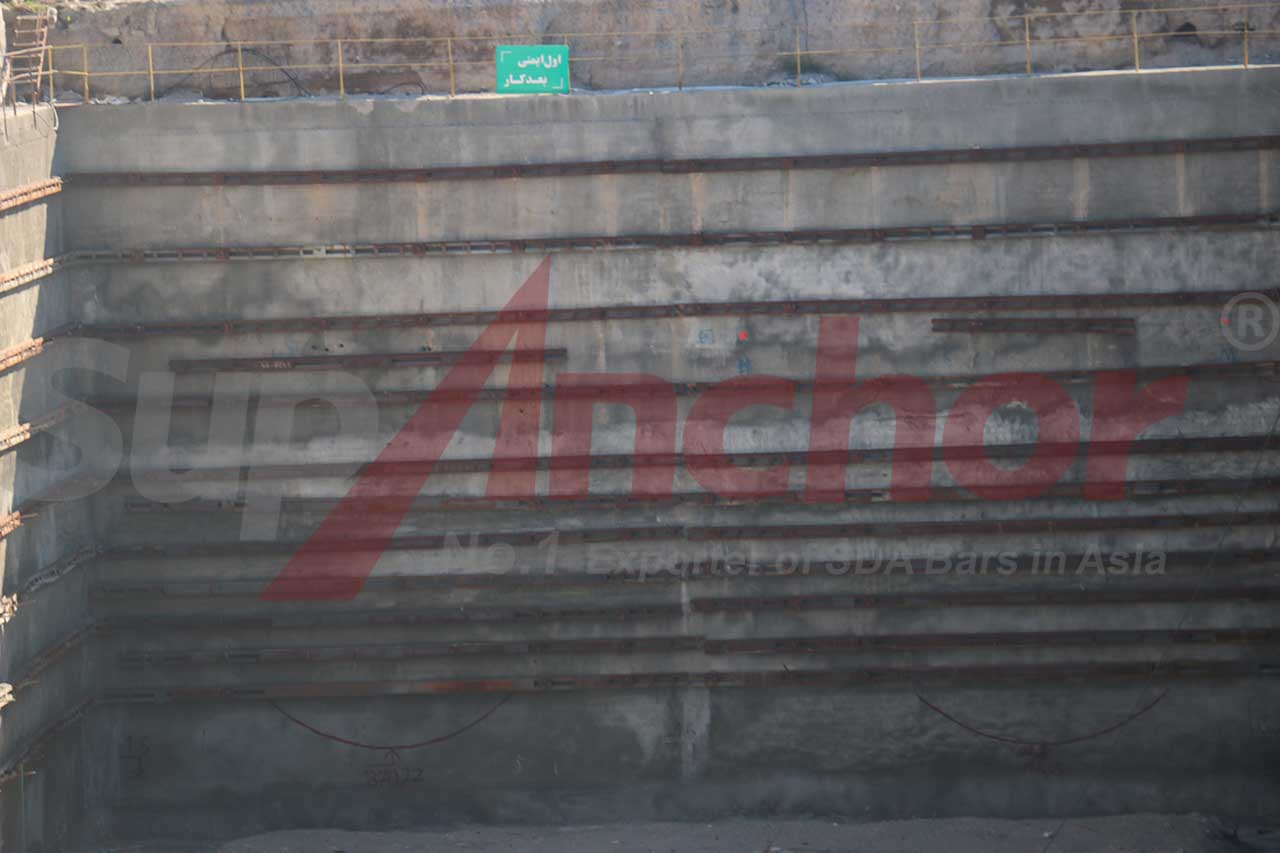
SupAnchor's self drilling anchor system deployed in a major infrastructure project, overcoming difficult geology with high-tensile hollow bar anchors and innovative drill-and-grout technology.
SupAnchor introduces the SupFRP® GFRP tie rod, a non-corrosive, high-strength, permanent formwork solution that eliminates removal costs and enhances structural durability.
SupAnchor's self drilling anchor system played a pivotal role in stabilizing slopes for a major European transportation project, combining innovative hollow bar technology with rigorous quality standards.
Discover how SupAnchor's R Thread self-drilling hollow anchor integrates drilling and grouting, offering high strength and corrosion resistance for tunneling and ground engineering projects.
SupAnchor's self drilling anchor bolts provide reliable geotechnical reinforcement for a European highway slope stabilization, overcoming fractured rock and water ingress.