
In a significant development for geotechnical engineering, a large-scale transportation infrastructure project has successfully utilized SupAnchor's advanced self drilling anchor system to stabilize excavations and ensure long-term structural integrity. The project, located in a region known for its complex and variable ground conditions, required a reinforcement solution that could combine drilling, grouting, and anchoring in a single operation. SupAnchor, a globally recognized ground anchor bolt factory and hollow bar anchor specialist, delivered a tailored system that not only met but exceeded the demanding technical specifications.
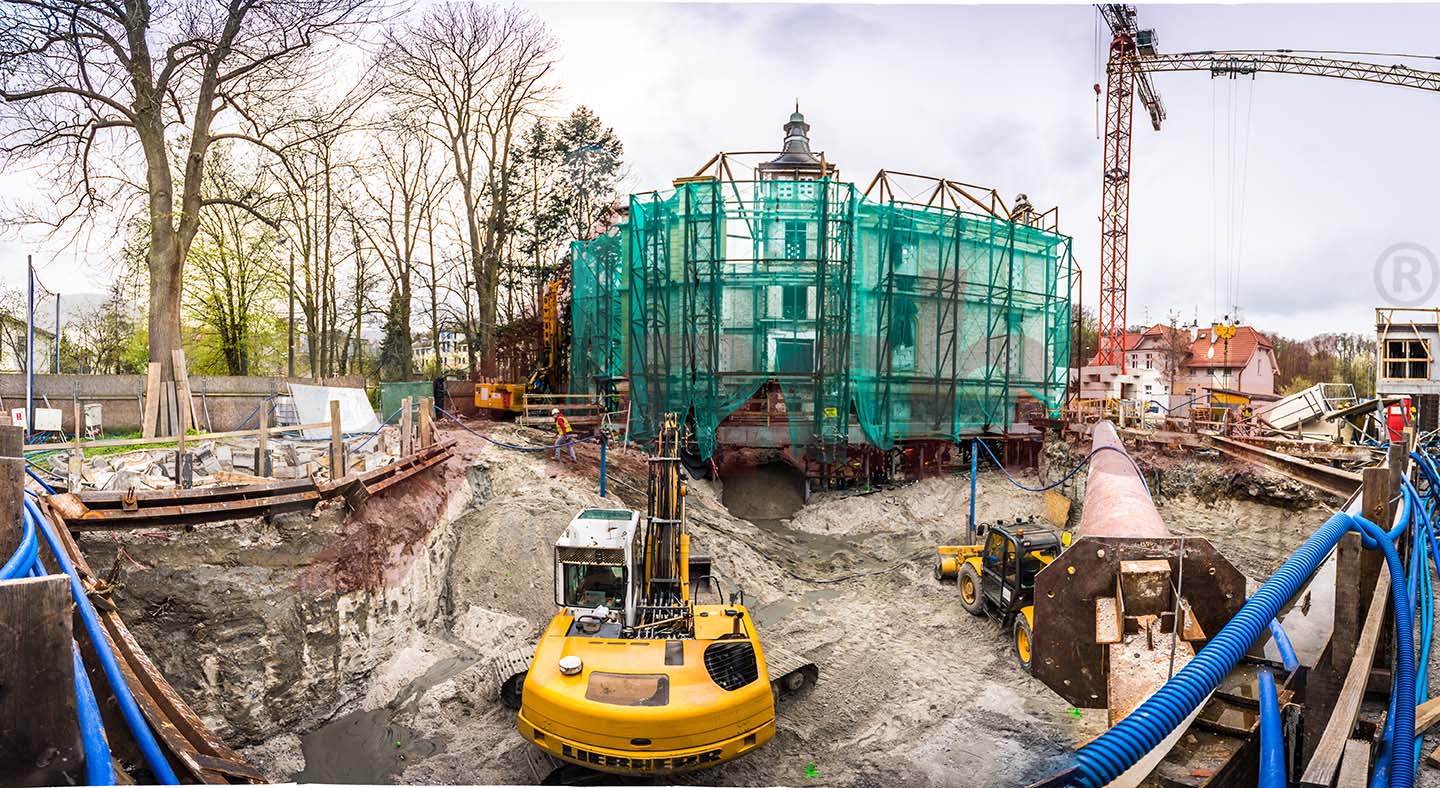
The project involved the construction of twin tunnels and associated retaining structures through mixed ground comprising loose soils, fractured rock, and high water inflows. Traditional drilling and anchoring methods posed significant risks of borehole collapse and grout loss, leading to schedule delays and cost overruns. The adoption of SupAnchor's self drilling anchor bolt system provided an efficient alternative, enabling immediate support and ground stabilization without the need for temporary casing.
The infrastructure initiative is part of a broader national program to enhance connectivity and reduce congestion on key transport corridors. The geology along the alignment is notoriously difficult, with alternating layers of soft clay, silty sand, and weathered granite. In some sections, the rock mass is highly fractured, with significant water permeability. Such conditions demand a ground stabilization anchor system that can perform reliably under dynamic loads and aggressive environments.
Engineers on the project needed a solution that could be installed quickly while adapting to variable ground conditions. The self drilling mechanism eliminates the need for a pre-drilled hole, combining drilling and grouting into one continuous process. This not only accelerates installation but also minimizes disturbance to the surrounding soil, a critical factor in urban and environmentally sensitive areas.
On the construction site, teams deployed SupAnchor's hollow bar anchors in multiple configurations, including soil nails, micropiles, and rock bolts. The system's versatility is one of its key advantages. By adjusting drill bit types and grouting pressures, the same equipment could handle everything from loose overburden to competent rock.
Key technical parameters of the SupAnchor self drilling anchor bolt used in this project include:
| Parameter | Specification |
|---|---|
| Nominal Diameter | 32 mm – 63 mm (standard) |
| Length | 2 m – 12 m (customizable up to 18 m) |
| Tensile Strength | ≥ 670 MPa (depending on steel grade) |
| Yield Strength | ≥ 525 MPa |
| Corrosion Protection | Hot-dip galvanized, epoxy coating, or duplex system per ISO 1461 |
The high tensile strength of these ground anchor bolt factory products ensures reliable load-bearing capacity, while the various corrosion protection options extend service life even in aggressive environments. On this project, a duplex coating system was selected for anchors exposed to groundwater with moderate chloride content.
The installation process was witnessed firsthand at the construction site. Using specialized drill rigs equipped with rotary-percussion heads, the hollow bars were advanced through the overburden and into the bedrock. Simultaneous injection of cement grout through the hollow core filled the annular space and consolidated the surrounding ground. The result is a densely grouted root zone that transfers load through skin friction along the entire embedded length.
One of the critical achievements was the near-elimination of borehole collapse. In a section where drilling through sandy silt had previously caused severe instability, the self drilling anchor system maintained borehole integrity by virtue of immediate grout pressurization. The use of disposable drill bits allowed the team to transition from drilling to grouting seamlessly, saving an average of 2.5 minutes per meter of anchor installed.
The drill-and-grout bolt technique also minimized grout consumption. By injecting grout at precisely controlled pressures through the hollow core, the system achieved a tight bond with the surrounding soil, reducing grout loss into fractures and voids. This not only saved materials but also contributed to environmental compliance by limiting grout migration outside the treatment zone.
In areas where a rock bolt for underground mining would typically be required due to hard rock conditions, the SupAnchor system adapted seamlessly. Its ability to penetrate boulders and fractured granite without deflection was a decisive factor in maintaining the project's critical path schedule. The use of robust, high-torque couplers ensured that the drill string remained intact even when encountering unexpected obstructions.
Project managers reported that the self drilling anchor for retaining walls was particularly effective in the cut-and-cover sections. Traditional soil nailing would have required multiple passes – drilling, casing removal, and separate grouting – but the integrated approach saved up to 40% in installation time. As a result, the entire retaining wall construction was completed ahead of schedule, reducing overall project costs.
The successful deployment of the self drilling anchor for retaining walls and tunneling applications reflects broader trends in the civil engineering and mining sectors. Around the world, infrastructure projects are facing tighter budgets, shorter timelines, and more stringent environmental regulations. Technologies that simplify installation, reduce equipment requirements, and minimize environmental impact are increasingly favored.
Self drilling hollow bar anchors, also known as drill-and-grout bolts, have gained prominence in slope stabilization, foundation support, and underground mining. Their ability to function as both drill rod and anchor rod eliminates the need for casing, reduces spoil generation, and enhances worker safety. In urban tunneling, where disturbance to adjacent structures is a major concern, the low-vibration, self-grouting process is particularly advantageous.
According to industry analysts, the global geotechnical reinforcement system market is projected to grow at a steady rate, driven by urbanization and the need for resilient infrastructure. Self drilling anchor systems are expected to capture a larger share due to their efficiency and adaptability. Self drilling bolt for civil engineering projects is gaining traction as cities expand their metro networks and upgrade aging water infrastructure.
The construction site presented a dynamic environment where weather and ground conditions changed rapidly. During the rainy season, groundwater levels rose, increasing the risk of face instability in tunnel headings. The self drilling anchor bolt system proved invaluable here, as the immediate grout injection from the hollow bar anchor sealed water ingress paths and consolidated the loose material. Workers could install a 6-meter anchor in less than 15 minutes, a speed unmatchable by conventional methods.
In one notable instance, a 50-meter-long stretch of tunnel being excavated through a fault zone required intense reinforcement. Over 800 self-drilling anchors were installed within a single week, each to a precise depth and inclination. The consistency of the SupAnchor thread profile enabled rapid coupling without cross-threading, a common issue with inferior brands.
The project also utilized micropile hollow bar anchors for foundation support of a temporary bridge. These micropiles were installed through fill and into competent rock, with working loads exceeding 500 kN per pile. The ability to both drill and grout through the same rod eliminated the need for temporary casing, thereby reducing steel waste and improving the project's sustainability credentials.
SupAnchor has established itself as a premier SDA bolt factory direct supply, offering a comprehensive range of geotechnical products under strict quality controls. The company holds ISO 9001, ISO 14001, and OHSAS 18001 certifications, and its products comply with international standards such as EN 14490 and ASTM A615. From its modern manufacturing facility, SupAnchor ships hollow bar anchors and accessories to projects across Europe, North America, the Middle East, and Asia.
With over two decades of experience, SupAnchor's reputation as a reliable ground anchor bolt factory is built on a track record of successful projects in challenging environments. From the Alps to the Andes, the company's products have been used in tunneling, mining, and civil works. Its rigorous testing protocols ensure that every hollow bar anchor meets or exceeds specifications for load capacity and corrosion resistance.
Customer feedback consistently highlights the ease of coupling and the uniformity of thread quality, which are critical for achieving full mechanical capacity in tension and shear. The anchor bolt system for geotechnical engineering provided by SupAnchor undergoes continuous improvement based on real-world performance data, ensuring that it remains at the forefront of the industry.
The company's ethos of "Professional, Innovative, Collaborative" is evident in its approach to tackling complex geotechnical challenges. By providing not just products but also technical support, SupAnchor helps project teams achieve fast, safe, and cost-effective ground stabilization. The recent infrastructure project is just one of many examples where SupAnchor's ground stabilization anchor system has made a tangible difference.
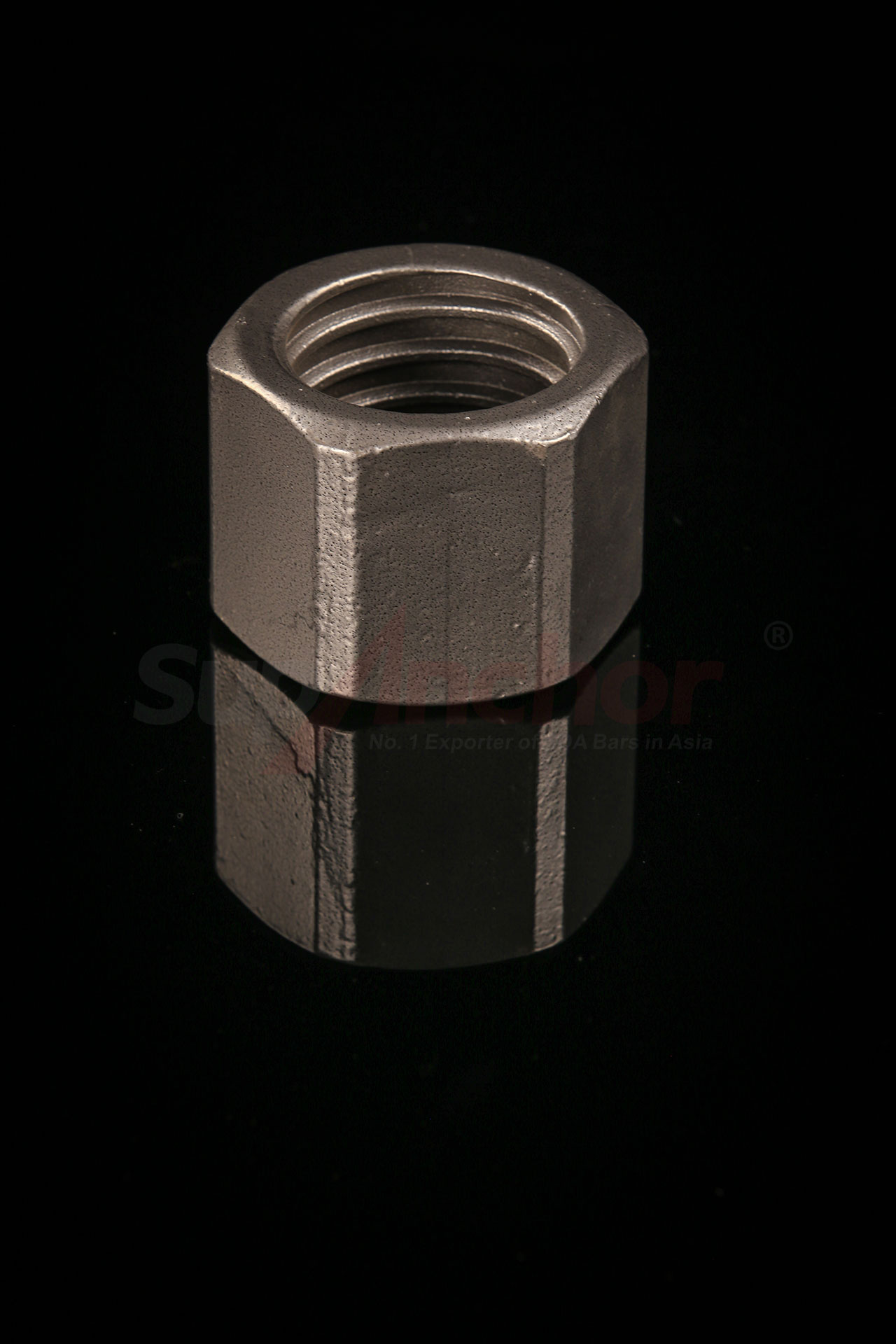
In addition to self drilling anchors for retaining walls and tunneling, SupAnchor offers a full array of geotechnical reinforcement products including accessories, coupling nuts, centralizers, and drill bits. This one-stop-shop capability simplifies procurement for contractors and ensures compatibility across all components.
Looking ahead, the company is investing in the development of higher-strength steels and environmentally friendly grouts to further enhance the sustainability of its solutions. As infrastructure demands grow, the role of advanced anchor bolt system for geotechnical engineering will only become more critical.
As the infrastructure sector embraces digitalization and automation, SupAnchor is exploring the integration of sensor technologies into its self drilling anchor system. Smart anchors capable of monitoring strain, grout integrity, and corrosion in real-time could revolutionize asset management, providing early warnings and reducing maintenance costs. The company's R&D team is also investigating innovative thread geometries and high-strength alloys that could further enhance the performance envelope of hollow bar anchors.
In the coming years, SupAnchor plans to expand its manufacturing capacity to meet increasing demand from international markets. With a focus on quality and sustainability, the company is poised to remain a key player in the global geotechnical reinforcement system landscape. The lessons learned from this landmark project will inform the next generation of ground stabilization anchor system solutions, ensuring that infrastructure worldwide stands on solid ground.
SupAnchor's self drilling anchor system deployed on an Alpine slope stabilization project, showcasing efficient installation and high-performance geotechnical reinforcement in challenging conditions.
SupAnchor's Grade 75 self-drilling hollow anchor bars deliver ASTM A615 performance, continuous T-thread bonding, and proven reliability for hydropower slope stabilization projects.
SupAnchor's self drilling anchor system deployed on an Alpine highway slope stabilization project, enabling fast drilling and grouting in fractured rock while meeting strict safety and environmental standards.
SupAnchor launches a corrosion-resistant GFRP friction bolt, offering lightweight, spark-free ground support for tunneling and mining.
SupAnchor's self drilling anchor system demonstrates superior performance in a challenging slope stabilization project, ensuring safety and efficiency.