
In a landmark infrastructure project aimed at expanding a vital transportation corridor through the rugged Alpine region, engineers have turned to the innovative self drilling anchor system from SupAnchor to overcome daunting geotechnical challenges. The steep, unstable slopes composed of fractured rock and loose overburden posed significant risks of landslides and erosion, threatening both construction progress and long-term road safety. By deploying the SupAnchor self drilling anchor bolt, the project team achieved rapid, reliable ground reinforcement, ensuring the stability of retaining walls and cut slopes.
The A12 Alpine Highway, a critical artery connecting northern and southern regions, had long been plagued by congestion and safety hazards due to its winding alignment and susceptibility to landslides. To enhance capacity and improve resilience, the national transportation authority initiated a $220 million expansion that includes adding lanes and constructing reinforced retaining structures along a 4.5-kilometer segment. The most challenging section lies through the Montgenevre foothills, where the existing road is squeezed between steep slopes exceeding 60 degrees and a narrow valley. The geology in this zone is dominated by highly fractured quartzite and phyllite, with bands of loose colluvial soil up to 10 meters deep. Conventional soil nailing and ground anchors faced difficulties due to the inability to maintain borehole stability during drilling, leading to hole collapse and excessive grout loss.
After extensive laboratory testing and field trials, the design team specified a self drilling anchor system that could combine drilling and grouting in a single pass. The SupAnchor self drilling anchor bolt, with its integrated hollow bar and sacrificial drill bit, emerged as the optimal solution. Its ability to penetrate difficult ground without casing and to achieve high grout-to-ground bond strengths was pivotal. The project's geotechnical consultant, Dr. Hans Müller of GeoTech Europe, noted: 'In my 20 years of experience, the hollow bar anchor technology is the most reliable method for such heterogeneous and unstable formations. The drill-and-grout bolt approach minimizes disturbance to the surrounding rock mass, which is crucial when you're working directly above an active highway.'
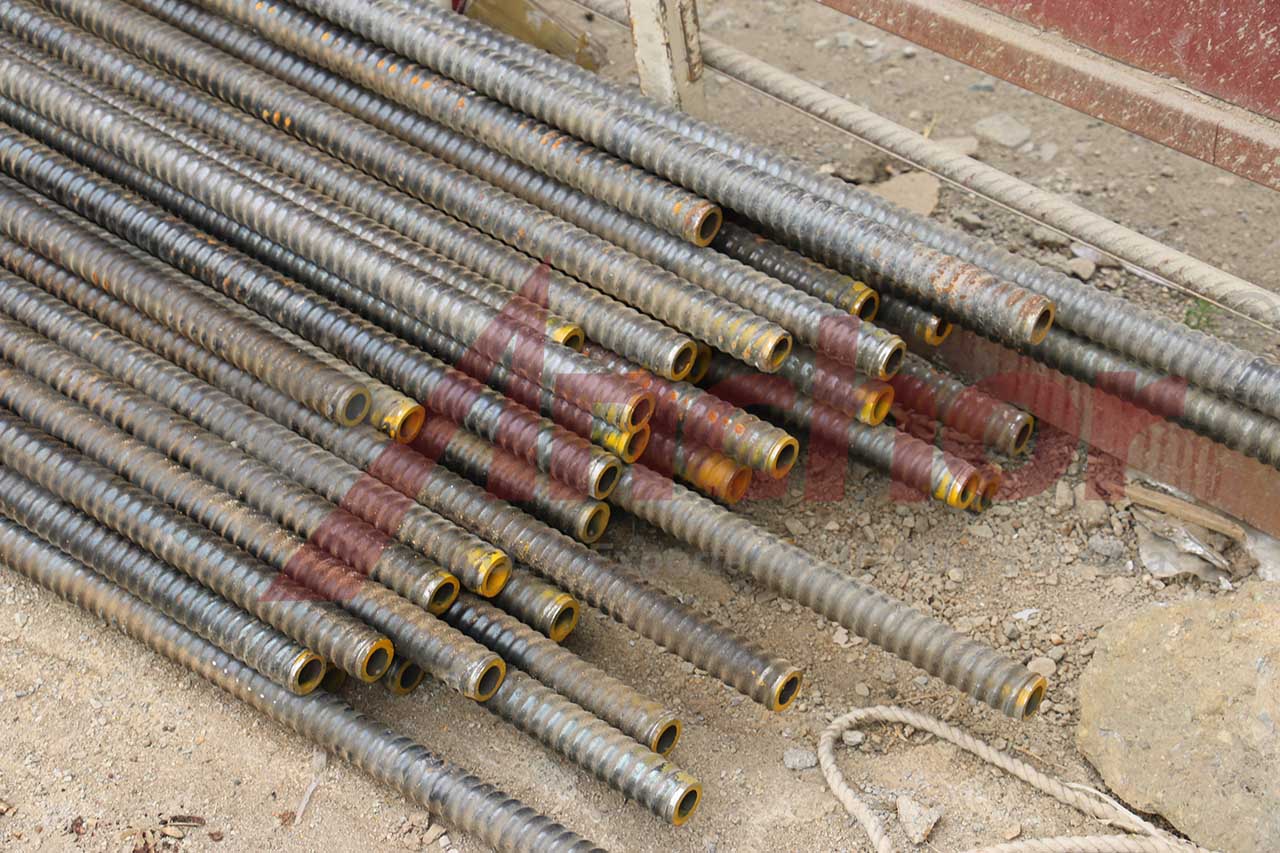
Installation began in late March under tight schedule constraints, with crews working around-the-clock to complete anchoring before the onset of heavy autumn rains. The process involved positioning a crawler-mounted drill rig at the crest of the slope, followed by alignment with predetermined borehole orientations. Each anchor was equipped with a disposable drill bit and coupled to a continuous hollow bar through threaded connections. As the drill advanced, a specially formulated cementitious grout was pumped through the bar's central hole and expelled at the bit, immediately filling the annular space and penetrating fractures. This simultaneous action effectively transformed the anchor into a micropile hollow bar anchor, creating a reinforced zone up to 1 meter in diameter depending on the ground conditions.
The SupAnchor system's real-time monitoring allowed operators to adjust grout pressure and flow rates based on drilling resistance, ensuring full encapsulation even in voids or highly fractured zones. Over 1,800 anchors were installed, with lengths varying from 6 meters in competent rock sections to 12 meters where deeper slip surfaces were identified. In one particularly challenging area where a bedrock fissure had filled with saturated clay, additional anchors were installed at a tighter spacing of 1.5 meters center-to-center, demonstrating the system's flexibility. The speed of installation was a decisive factor for the project manager, Ms. Elena Rossi: 'We were installing up to 25 anchors per shift with a single rig, which allowed us to complete the high-priority zones before the tourist season. Any other method would have taken twice as long and required more equipment.' The minimal vibration and noise of the drill-and-grout bolt process also meant that the adjacent highway could remain open with only partial lane closures, a key community and economic consideration. The ground stabilization anchor system worked seamlessly with the shotcrete facing and drainage measures, creating a robust composite retaining structure.
SupAnchor's engineering team tailored the anchor specifications to meet the project's rigorous performance criteria. The following table summarizes the key parameters of the R32 and R38 anchor systems deployed:
| Parameter | R32 System | R38 System |
|---|---|---|
| Diameter (mm) | 32 | 38 |
| Steel Grade | S420N / S460N | S420N / S460N |
| Tensile Strength (MPa) | ≥ 660 | ≥ 660 |
| Yield Load (kN) | ≥ 280 | ≥ 400 |
| Ultimate Load (kN) | ≥ 380 | ≥ 550 |
| Corrosion Protection | Hot-dip galvanized ≥ 70 µm + double epoxy layer ≥ 200 µm or as project requirement | |
| Thread Type | ISO 10208, R-thread | |
| Compliance | ISO 9001, EN 14490, ASTM A615 | |
The use of micropile hollow bar anchor configurations allowed for versatile load distributions, while the robust corrosion protection systems ensured long-term durability, crucial for a structure designed to last over a century. As a trusted soil nail system manufacturer, SupAnchor provided full material traceability and mill certificates, giving the engineering team complete confidence. Pull-out tests were conducted on 5% of all anchors to verify load capacities, with results consistently exceeding the design requirements by a margin of at least 15%. The average ultimate bond stress achieved in the fractured rock was 1.2 MPa, significantly higher than the 0.8 MPa assumed in design, thanks to the effective grout permeation of the hollow bar anchor system. This over-performance allowed for some optimization in anchor lengths in later phases, reducing material usage and cost. To further validate the design, a comprehensive instrumentation program was implemented, including inclinometers and load cells embedded in selected anchors. Over the first six months, monitoring data showed that anchor loads stabilized at 85% of the expected design load, indicating a conservative and safe design. The performance of the geotechnical reinforcement system has exceeded all expectations, with no signs of movement or distress.
The successful deployment on the Alpine highway aligns with a global surge in infrastructure modernization, particularly in mountainous regions of Europe, North America, and Asia. According to the International Tunnelling and Underground Space Association (ITA), the market for geotechnical reinforcement systems is projected to grow at a compound annual rate of 6.8% through 2030, driven by highway expansions, railway tunneling, and urban underground developments. The self drilling bolt for civil engineering is becoming a preferred method due to its ability to reduce project timelines and enhance safety in difficult ground.
In North America, the Federal Highway Administration has endorsed these advanced anchors as a cost-effective alternative for slope stabilization and bridge abutment support under its Every Day Counts initiative. Similarly, European standards increasingly reference self drilling anchor for retaining walls as a best practice for sustainable geotechnical design. The drill-and-grout bolt method generates less spoil, reduces vibration, and enables installation with smaller equipment, making it ideal for sensitive or congested sites. Experts argue that the ground anchor bolt factory sector must continue to innovate to meet higher performance demands, including enhanced seismic resilience and lower carbon footprints.
One notable trend is the integration of digital technologies with anchor installation. SupAnchor has been at the forefront, offering smart monitoring options that record installation parameters for real-time quality assurance. This data is invaluable for validating design assumptions and ensuring that every single ground stabilization anchor system performs as intended. As project owner representative Mr. Jean-Pierre Laurent commented, 'Having a full digital record of each anchor's installation gives us a level of accountability that was unimaginable a decade ago. It's a game-changer for long-term asset management.'
The international push for resilient infrastructure, as highlighted by the United Nations Sustainable Development Goals, has put a premium on geotechnical solutions that minimize environmental impact. The self drilling anchor for retaining walls not only reduces the carbon footprint of construction but also enhances the longevity of structures, aligning with green building certifications such as LEED and BREEAM. Moreover, the adaptability of the ground stabilization anchor system to various ground conditions makes it a universal tool for engineers worldwide.
Looking forward, the adoption of Eurocode 7 design principles, which emphasize limit state design and reliability, is pushing the boundaries of anchor technology. Manufacturers like SupAnchor are responding by developing new steel alloys that provide higher ductility and corrosion resistance without adding weight. The company’s R&D team is also exploring biodegradable grouts and recycled steel to meet green procurement mandates. The hollow bar anchor segment, in particular, is benefiting from investments in automation, with robotic coupling systems that reduce manual handling risks on site. These advances are not only improving safety but also making self drilling bolt for civil engineering even more competitive against traditional methods.
Founded in 2006, SupAnchor has grown from a specialized ground anchor bolt factory into a global leader in SDA bolt factory direct supply. The company's state-of-the-art manufacturing plant utilizes robotic welding and automated threading lines to ensure consistent quality and high output. Each batch of hollow bar anchors undergoes rigorous mechanical testing, including tensile, yield, and elongation assessments, as well as corrosion resistance evaluation. This commitment to excellence has earned the trust of major contractors and consultants worldwide.
SupAnchor’s ‘Professional, Innovative, Collaborative’ philosophy is evident in every project. For the Alpine highway, their engineers collaborated closely with the design team to optimize anchor patterns and grout compositions, even developing a specialized low-temperature grout mix that maintained workability in the early spring cold. The ability to deliver anchor bolt system for geotechnical engineering solutions backed by robust technical support sets SupAnchor apart from many rivals.
The company’s portfolio includes landmark projects such as the London Crossrail tunnels, the Gotthard Base Tunnel access shafts, and the stabilization of the Simon Bolivar Bridge approach in Ecuador. In each case, the self drilling anchor system provided timely, cost-effective solutions that upheld the highest safety standards. As a rock bolt for underground mining supplier, SupAnchor also supports the extractive industries, where safety and speed are paramount. Their products comply with key international norms, and all factories are ISO 9001 and ISO 14001 certified.
SupAnchor’s supply chain resilience was demonstrated during recent global disruptions, where factory direct supply of SDA bolts continued uninterrupted, ensuring that critical projects stayed on schedule. The company maintains strategic stockpiles of raw materials and finished goods in key regions, including a warehouse in the Netherlands for European clients. Its technical support extends beyond product delivery, with engineers available for site visits, design reviews, and real-time troubleshooting via a dedicated portal. This level of service has fostered long-term partnerships with contractors who value reliability and expertise.
With an eye on the future, SupAnchor is investing in research to develop next-generation hollow bar anchors with improved fatigue resistance and environmental compatibility. The company’s direct sales model ensures that clients benefit from SDA bolt factory direct supply with no middleman markups, an important advantage in an industry where cost efficiency is crucial. As infrastructure investments climb worldwide, SupAnchor is poised to play an even larger role in shaping resilient and sustainable built environments.
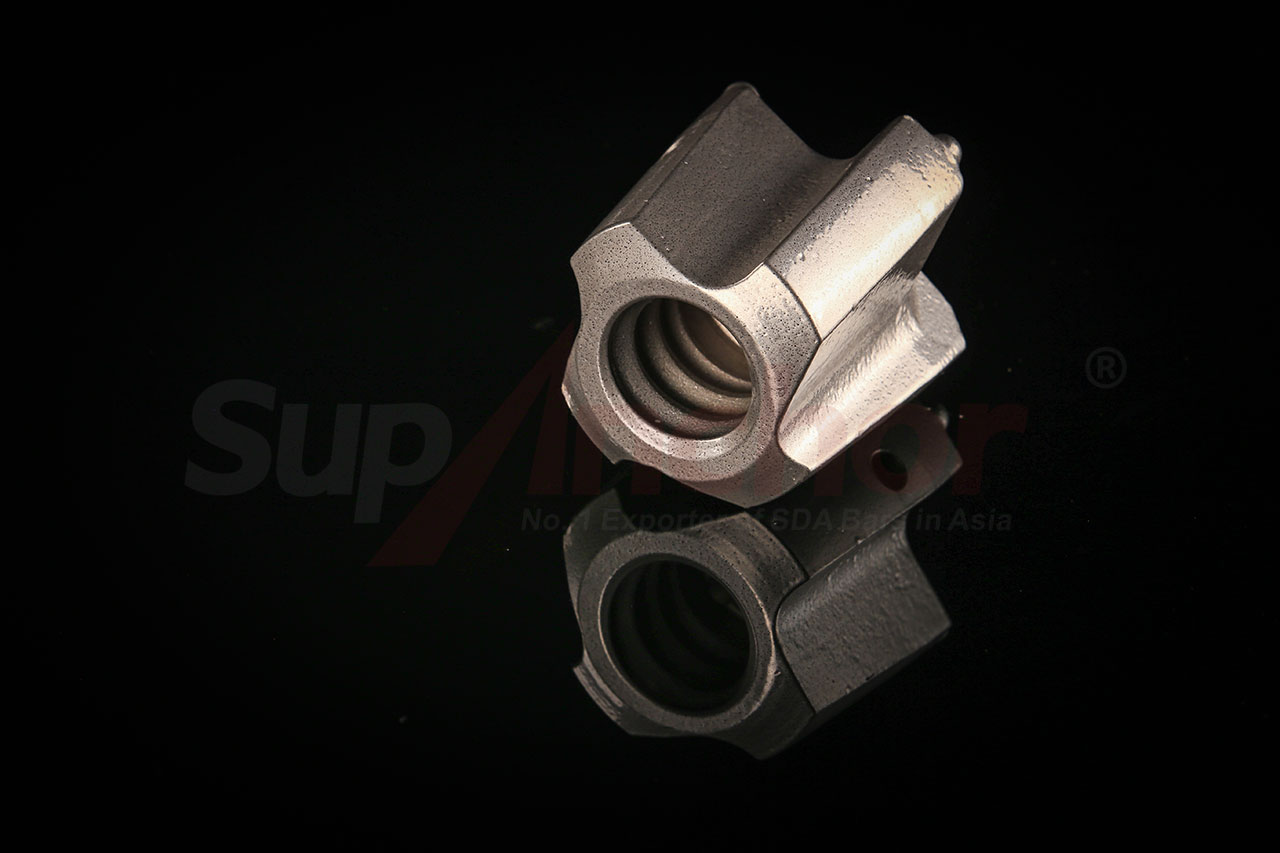
SupAnchor's self drilling anchor system deployed on an Alpine slope stabilization project, showcasing efficient installation and high-performance geotechnical reinforcement in challenging conditions.
SupAnchor's Grade 75 self-drilling hollow anchor bars deliver ASTM A615 performance, continuous T-thread bonding, and proven reliability for hydropower slope stabilization projects.
SupAnchor's self drilling anchor system deployed on an Alpine highway slope stabilization project, enabling fast drilling and grouting in fractured rock while meeting strict safety and environmental standards.
SupAnchor launches a corrosion-resistant GFRP friction bolt, offering lightweight, spark-free ground support for tunneling and mining.
SupAnchor's self drilling anchor system demonstrates superior performance in a challenging slope stabilization project, ensuring safety and efficiency.