On a major infrastructure project in Northern Europe, tunneling through aggressive groundwater conditions demanded a formwork solution that could withstand chemical attacks without costly maintenance. SupAnchor's new GFRP (Glass Fiber Reinforced Polymer) Tie Rod rose to the challenge, leaving steel tie rods firmly in the past. This breakthrough product marks a significant step forward for permanent formwork applications worldwide.
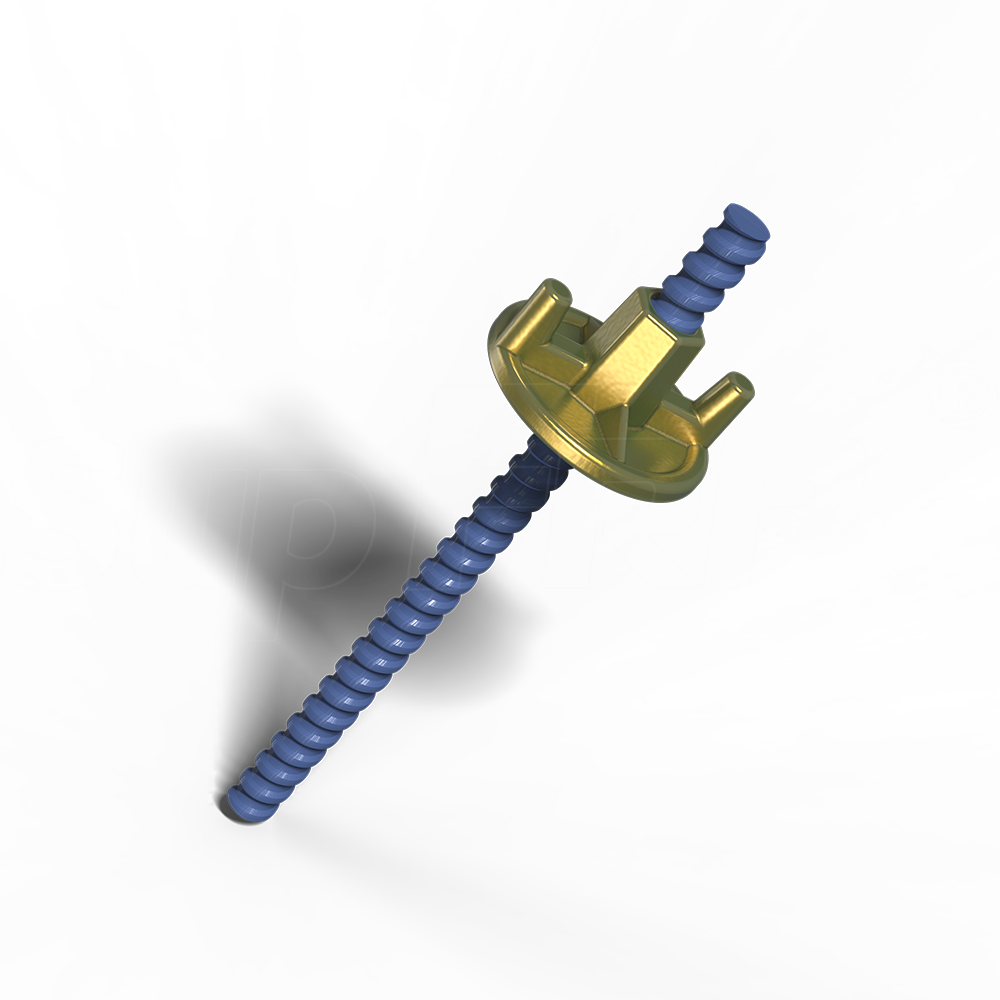
The SupFRP® GFRP Tie Rod, developed by SupAnchor®, addresses a critical pain point in concrete construction: the need to remove steel tie rods after casting. By leaving the rod in place, contractors eliminate the labour-intensive extraction process, reduce transportation and storage costs, and enhance structural durability. Designed with the same thread profile as standard steel rods, it integrates seamlessly with existing accessories, making adoption straightforward for construction teams.
Engineered for demanding formwork applications, the GFRP Tie Rod combines high strength with exceptional corrosion resistance. The product line comprises two models: the T15/130 and the T20/250, each optimised for specific loading conditions. Key specifications are summarised in the table below:
| Parameter | T15/130 | T20/250 |
|---|---|---|
| Outside Diameter (mm) * | 17 (incl. waved thread) | 22 (incl. waved thread) |
| Nominal Cross Sectional Area (mm²) | 130 | 250 |
| Guaranteed Tensile Load (kN) | 130 | 250 |
| Tensile E-Modulus (GPa) | 45 | 45 |
| Ultimate Strain | 2.0% | 2.0% |
| Weight (kg/m) | 0.37 | 0.71 |
| Lengths Available (m) | 2,3,4,5,6,7,8,9,10,11 | 2,3,4,5,6,7,8,9,10,11 |
*Outside diameter includes the waved thread structure, which enhances bond force with surrounding concrete.
These figures translate into tangible on‑site benefits. The T15/130, with a guaranteed tensile load of 130 kN and a featherweight 0.37 kg/m, is ideal for light to medium formwork systems where ease of handling is paramount. The T20/250, offering nearly double the load capacity at 250 kN, suits heavy‑duty infrastructure such as bridge piers and deep tunnel linings. Both variants share an E‑modulus of 45 GPa and ultimate strain of 2.0%, ensuring reliable performance under sustained loads without sudden brittle failure — a common concern with traditional fiberglass reinforcements.
The GFRP material itself brings a unique set of properties. Being non‑conductive and non‑magnetic, it eliminates interference with sensitive electronic equipment, a critical advantage in rail electrification projects and lab facilities. The high corrosion resistance obviates the need for epoxy coatings or cathodic protection, dramatically reducing lifecycle costs in marine, chemical and de‑icing salt environments. Moreover, the permanent application feature means once the concrete sets, the tie rod becomes an integral part of the structure, contributing to good bond force and high end loading capacity.
Formwork remains the backbone of modern concrete construction, and the choice of tie rod can make or break a project’s schedule and budget. SupAnchor’s GFRP Tie Rod shines in scenarios where steel’s shortcomings — corrosion, weight, and removal — become liabilities. From hydroelectric dams and wastewater treatment plants to coastal retaining walls and underground metro stations, the product delivers a future‑proof solution.
One illustrative case is the ongoing expansion of a Scandinavian tunnel network, where groundwater with high chloride content had previously caused rapid deterioration of steel tie rods. By switching to GFRP, the contractor eliminated post‑curing extraction, saved over 1,200 man‑hours on a single section, and ensured a maintenance‑free service life projected at over 100 years. This aligns with the growing demand for self‑drilling anchor systems and holistic geotechnical reinforcement systems that reduce environmental footprint while boosting safety.
The easy handling characteristic cannot be overstated. Because GFRP rods weigh a fraction of steel (0.37‑0.71 kg/m vs. 2.0‑4.0 kg/m for equivalent steel), transportation costs plummet and workers experience less fatigue, accelerating formwork assembly. The cuttability feature allows on‑site trimming with standard diamond or carbide blades, eliminating the need for heavy cutting torches and spark‑free compliance in hazardous atmospheres — a boon for oil and gas projects.
Supplied in modular lengths from 2 to 11 metres, the rods can be coupled using standard steel‑compatible accessories, ensuring compatibility with existing formwork inventories. This backward compatibility is a strategic advantage for global contractors who may be reluctant to abandon their current hollow bar anchor or drill‑and‑grout bolt setups. Instead, SupAnchor’s GFRP Tie Rod serves as a drop‑in upgrade, embodying the collaborative spirit that the company champions.
The launch of the GFRP Tie Rod consolidates SupAnchor’s position as a leading soil nail system manufacturer and ground anchor bolt factory with a diverse portfolio. With ISO 9001, ISO 14001, and OHSAS 18001 certifications, the company backs its innovation with rigorous quality management and environmental stewardship. Over the past decade, SupAnchor’s self‑drilling anchor bolt products have been deployed in over 50 countries, from high‑speed rail projects in the Alps to mining operations in Australia, proving the scalability of its designs.
This new tie rod is a direct response to market feedback calling for more sustainable, low‑maintenance formwork components. By leveraging its R&D expertise in fiber‑reinforced polymers, SupAnchor has created a product that aligns with the European Union’s Green Deal and North America’s Infrastructure Investment and Jobs Act, both of which emphasise resilient, long‑life assets. The rod’s permanent application reduces material waste and the carbon footprint associated with steel recycling and replacement cycles.
“Our engineers worked closely with formwork subcontractors to understand the daily challenges they face,” said a SupAnchor spokesperson. “The result is a tie rod that not only meets technical specifications but also brings peace of mind — once installed, it’s there for the life of the structure. That’s the essence of our Professional, Innovative, Collaborative brand promise.”
As the construction industry pivots toward digitalization and off‑site prefabrication, components like the GFRP Tie Rod, which simplify logistics and on‑site processes, become force multipliers. When combined with SupAnchor’s self‑drilling anchor systems for slope stabilisation and deep foundations, contractors gain a one‑stop shop for all geotechnical reinforcement needs. This integrated approach reduces supply chain complexity and fosters long‑term partnerships — a model that has propelled the company’s growth across Europe and the Americas.
In conclusion, the SupFRP® GFRP Tie Rod is more than a component; it is a paradigm shift in how the industry approaches formwork retention. By embracing permanent, corrosion‑free solutions, projects achieve greater durability, lower total cost of ownership, and enhanced safety. With a proven track record in geotechnical engineering and a robust global distribution network, SupAnchor is poised to lead this transition. For a closer look at the product in action, visit the demonstration video or contact a regional representative to discuss how this innovation can be integrated into your next project.
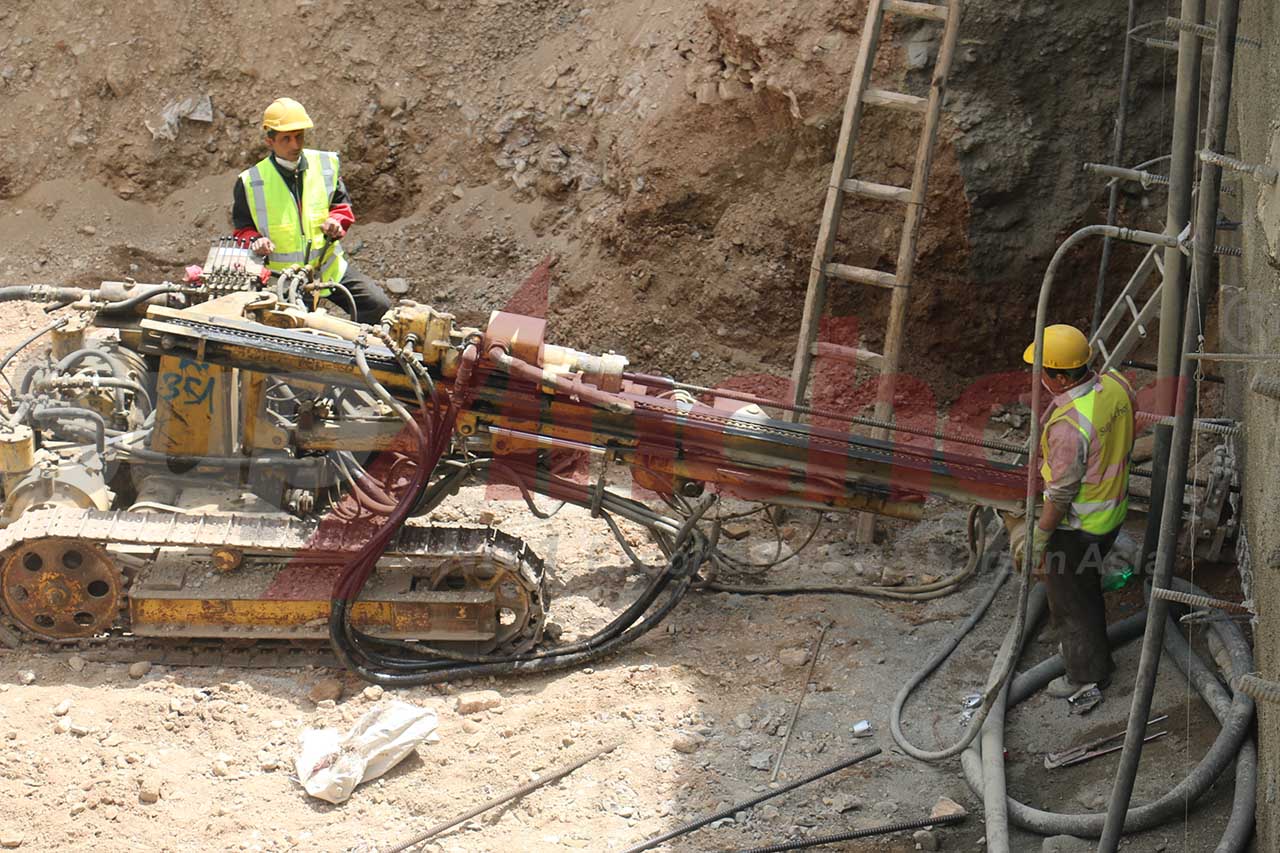
SupAnchor's self drilling anchor system deployed on an Alpine slope stabilization project, showcasing efficient installation and high-performance geotechnical reinforcement in challenging conditions.
SupAnchor's Grade 75 self-drilling hollow anchor bars deliver ASTM A615 performance, continuous T-thread bonding, and proven reliability for hydropower slope stabilization projects.
SupAnchor's self drilling anchor system deployed on an Alpine highway slope stabilization project, enabling fast drilling and grouting in fractured rock while meeting strict safety and environmental standards.
SupAnchor launches a corrosion-resistant GFRP friction bolt, offering lightweight, spark-free ground support for tunneling and mining.
SupAnchor's self drilling anchor system demonstrates superior performance in a challenging slope stabilization project, ensuring safety and efficiency.