
In the heart of the European Alps, a pivotal highway upgrade project has successfully neutralized a persistent geological threat using an innovative geotechnical reinforcement system. The A13 motorway, a vital artery of the Trans-European Transport Network (TEN-T), winds through narrow valleys where centuries-old rock faces tower over the road. In one particularly treacherous section, continuous erosion, freeze-thaw cycles, and unstable talus deposits had led to repeated rockfalls and slope instability, endangering commuters and freight traffic alike. After extensive geotechnical investigation, the engineering consortium selected a self drilling anchor system supplied by SupAnchor, a recognized soil nail system manufacturer and ground anchor bolt factory based in China with a growing footprint in international infrastructure projects.
The decision to employ a self drilling anchor bolt solution was driven by the unique geological conditions. The slope comprised a chaotic mix of fractured schist, weathered gneiss, and loose overburden, making conventional drilling with casing almost impossible. Traditional post-grouted anchors risked borehole collapse and required a multi-stage installation process that would have extended the construction timeline and endangered worker safety on the steep, 60-meter-high face. The hollow bar anchor, often referred to as a drill-and-grout bolt, offered a single-pass installation: drilling, grouting, and anchoring in one continuous operation. This not only saved weeks of construction time but also ensured immediate load-bearing capacity, a critical factor for working in an area with active slope movement.
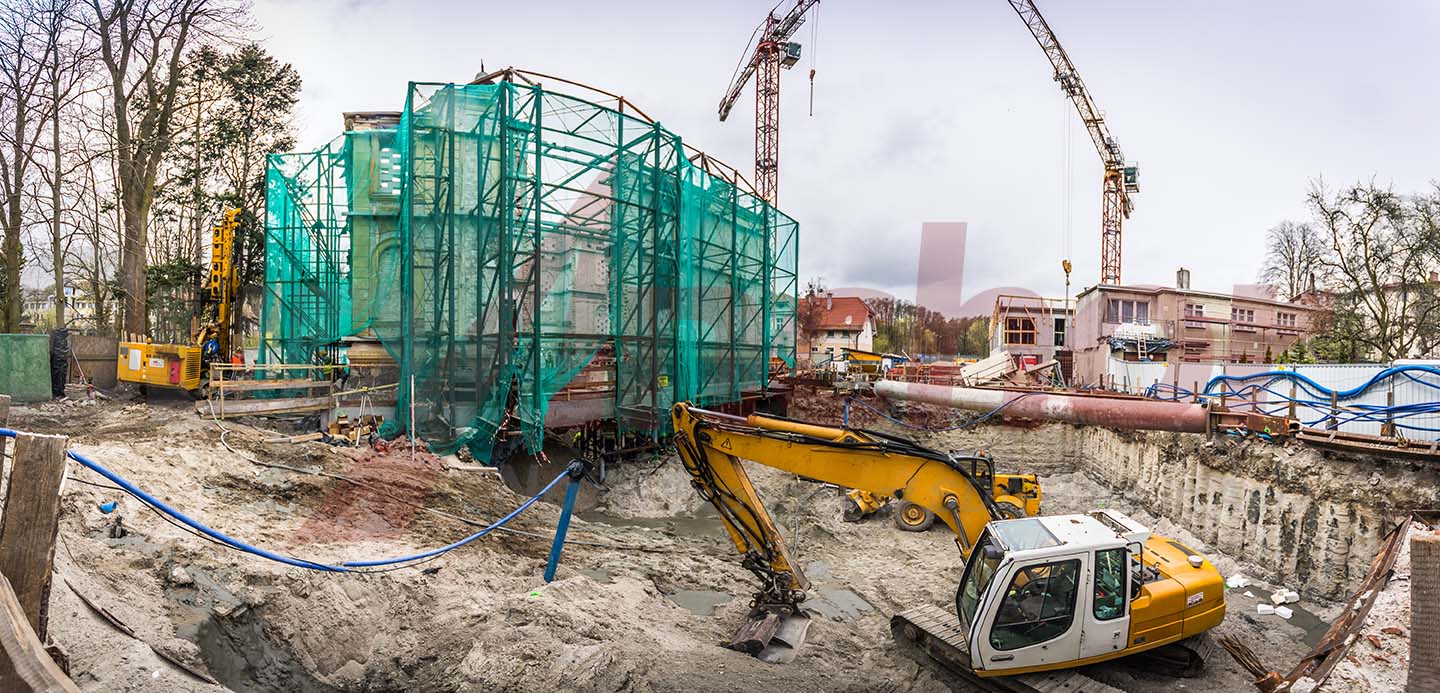
Accessing the slope was the first major challenge. The construction team erected a network of suspended scaffolding and temporary crane platforms to position drilling rigs against the near-vertical rock face. Operating from these precarious perches, technicians guided the self drilling anchor bolts into the ground with rotary-percussive hammers. The accompanying site image captures the intensity of the work: a worker in high-visibility gear oversees the drilling as a cloud of dust rises, the hollow bar disappearing into the schist. Each anchor, measuring up to 12 meters in length when fully coupled, was advanced through the overburden and into the competent bedrock below, creating a grout-reinforced soil nail that locks the loose surface layers to the stable mass.
The heart of the solution was SupAnchor’s self drilling anchor system, characterized by a continuous coarse thread along its entire length. This design feature allowed for rapid coupling with standard extension rods, enabling crews to reach design depths without sacrificing alignment or grout flow. The hollow core served as the conduit for cement grout, injected under pressure during drilling. As the drill bit advanced, the grout permeated the surrounding fractures, filling voids and binding the anchor to the ground. The result is a composite reinforcement body with high shear and pull-out resistance, effectively creating a micropile hollow bar anchor network.
To meet the design requirements, SupAnchor provided a range of technical specifications tailored to the slope’s geometry and load conditions. The primary anchor used was a 32 mm diameter bar with a minimum tensile yield strength of 660 kN and an ultimate capacity of 700 kN. Corrosion protection was achieved through hot-dip galvanization compliant with ISO 1461, a necessity given the aggressive alpine environment with its acidic precipitation and constant moisture. Anchors were installed at a grid spacing of 2.5 m by 2.5 m, inclined at 15 degrees to the horizontal to intercept potential failure planes. The table below summarizes the key parameters of the deployed ground stabilization anchor system.
| Parameter | Specification |
|---|---|
| Anchor Type | Self Drilling Hollow Bar Anchor (SDA) |
| Bar Diameter | 32 mm |
| Thread Type | Continuous ISO coarse thread |
| Anchor Length (typical) | 6 m / 9 m / 12 m (sectionally coupled) |
| Tensile Yield Strength | 660 kN |
| Ultimate Tensile Load | 700 kN |
| Grout Injection Method | Simultaneous via hollow bar during drilling |
| Corrosion Protection | Hot-dip galvanized to ISO 1461, zinc coating ≥ 85 µm |
| Drilling Method | Rotary percussive with air/water flush |
| Installation Angle | 15° from horizontal (downward) |
These specifications were not arbitrary; they directly addressed the geotechnical report’s findings. The 32 mm diameter provided the necessary bending stiffness to resist lateral pressures from the sliding debris mass. The high tensile strength ensured that the anchor bolt system for geotechnical engineering could withstand the calculated 500 kN working load with a comfortable safety factor. The galvanized coating, tested for decades in harsh environments, guaranteed a service life exceeding 50 years, critical for a permanent infrastructure asset. Furthermore, the ability to couple bars on-site meant that even in the most confined work zones, deep anchors could be constructed incrementally— each 3-meter section threaded onto the next without the need for complex joints or welding.
The self drilling bolt for civil engineering has become the default choice in collapsing ground conditions for good reason. In conventional anchored systems, drilling a borehole, extracting the drill string, inserting the tendon, and then grouting involves four distinct stages. Each transition risks hole collapse, water ingress, or contamination of the bond zone. With the drill-and-grout bolt, the hollow bar itself acts as both the drill rod and the reinforcement. Grout is pumped through the bar as it rotates, emerging at the drill bit and instantly filling the annular space. This continuous process eliminates the open-hole time, allowing installations in loose sands, gravels, and fractured rock that would otherwise be impossible without extensive temporary casing. For the Alpine slope, where the overburden contained voids and large cobbles, this technique was indispensable.
Beyond installation speed, the self drilling anchor for retaining walls and slope stabilization offers superior bond characteristics. The high-pressure grout injection forces cementitious material into surrounding fissures, effectively creating root-like consolidations. The soil nail system manufacturer typically bases load calculations on both the mechanical interlock of the thread and the grout-to-ground bond. In tests conducted on-site, pull-out resistance exceeded 15 kN per linear meter in the fractured schist, far surpassing the design demand of 10 kN/m. This overperformance provided an additional safety margin that gave the project owners confidence in the long-term stability of the reinforced slope.
The successful deployment of this ground stabilization anchor system on a European highway is more than a local accomplishment; it reflects a broader industry shift toward resilient and rapid geotechnical solutions. Across the globe, aging infrastructure, climate-induced landslides, and urbanization into challenging terrain are driving demand for innovative anchoring technologies. According to a recent market report, the global ground anchor market is projected to grow at a compound annual rate of 5.8% through 2030, fueled by investments in transportation networks, mining, and renewable energy foundations. The self drilling anchor system stands at the intersection of these trends, offering a versatile tool that can be adapted to rock bolt for underground mining applications, micropile hollow bar anchor foundations for wind turbines, and slope stabilization for highways and railways.
In the mining sector, where safety and production speed are paramount, the same technology is used as a rock bolt for underground mining. Hollow bar anchors can be installed as quick-set roof bolts, providing immediate support in development headings. The ability to grout simultaneously means that miners do not have to wait for resin cartridges to cure, reducing cycle times. As a ground anchor bolt factory, SupAnchor supplies variants with higher steel grades (up to 80 ksi yield) and aggressive corrosion protection for acidic mine water, demonstrating the adaptability of the core self drilling anchor bolt platform.
The application as micropile hollow bar anchor for foundation support is equally compelling. In congested urban environments where vibration and noise must be minimized, small-diameter hollow bar micropiles can be installed using compact rigs to underpin existing structures or create foundation elements for new buildings. The self drilling method eliminates the need for heavy casing and reduces spoil removal, addressing two major concerns in city center construction. These micropiles are also gaining traction in seismic retrofit projects, where they can be installed through existing foundations to increase tie-down capacity without major excavation.
At the core of this project’s success was a collaborative partnership between the European contractor and SupAnchor’s technical team. From the initial inquiry to on-site commissioning, SupAnchor provided more than just an anchor bolt system for geotechnical engineering; they delivered engineering support, including pull-out test protocols, grout mix design recommendations, and installation training. This approach reflects the company’s ethos of “Professional, Innovative, Collaborative,” which has propelled it from a regional manufacturer to a respected international player.
SupAnchor’s production facility operates under strict ISO 9001 quality management and ISO 14001 environmental standards, ensuring that every hollow bar anchor product leaving the factory meets rigorous dimensional and mechanical tolerances. The company’s status as an SDA bolt factory direct supply allows it to offer competitive pricing without intermediaries, a crucial advantage in large-scale public infrastructure tenders. With production capacity exceeding 200,000 meters per month, SupAnchor can support mega-projects with short lead times—a fact that influenced the contractor’s decision after initial delays from traditional European suppliers.
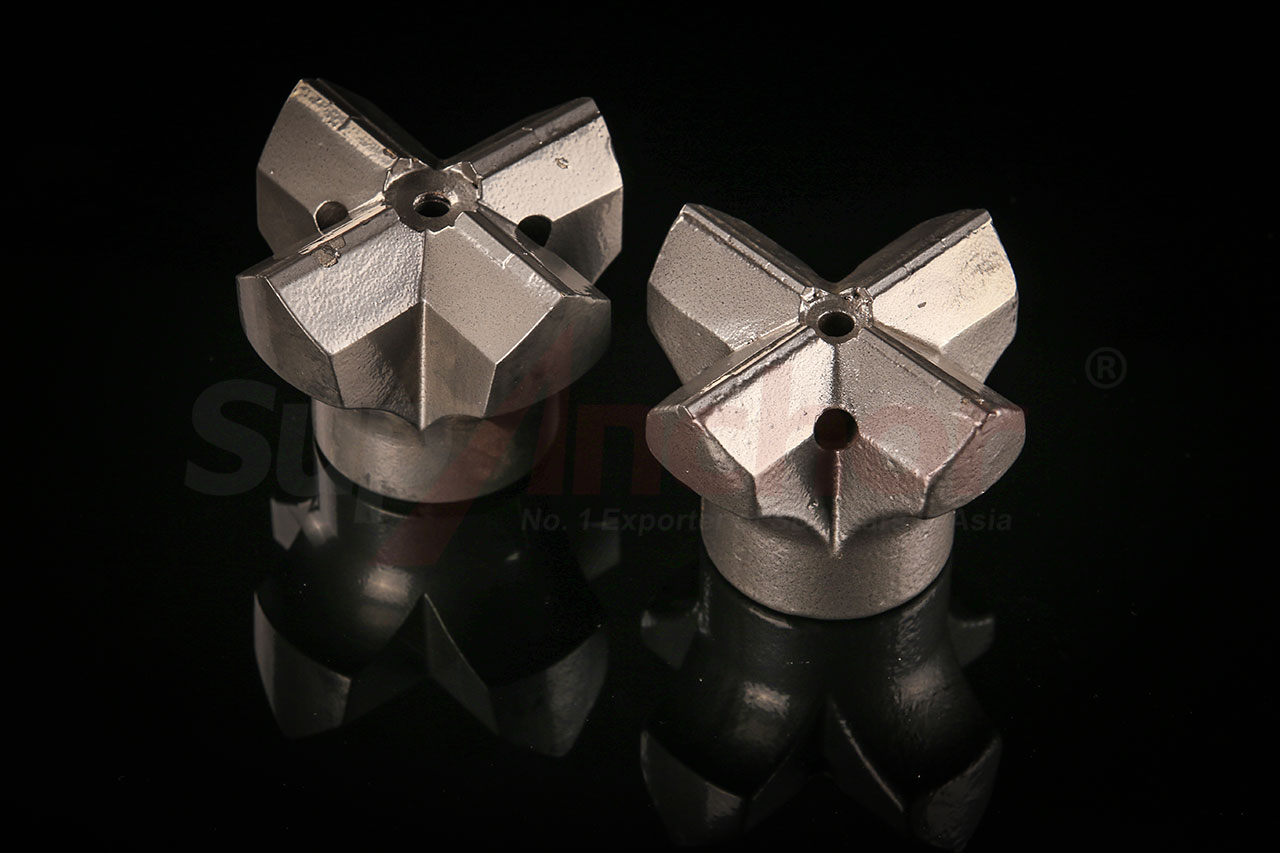
The product image reveals the meticulous engineering behind the system: a seamless hollow bar with clean, sharp threads and a specialized sacrificial drill bit welded to the tip. The bright metallic sheen indicates the fresh galvanization, while the uniformity of the thread guarantees consistent coupling behavior. It is this attention to detail that has earned SupAnchor approval for use in projects spanning over 30 countries, from seismic zones in Latin America to permafrost regions in Scandinavia. Whether it’s a self drilling anchor for retaining walls in Hong Kong or a rock bolt for underground mining in Australia, the core technology adapts, but the commitment to quality remains constant.
The Alpine highway slope stabilization project stands as a testament to how modern geotechnical reinforcement systems can overcome nature’s most daunting obstacles. By choosing a drill-and-grout bolt solution, the engineering team completed the stabilization scope in just eight weeks—a timeline that would have been unthinkable with conventional methods. The 12,000 square meters of treated slope now feature a robust network of more than 1,500 soil nails, each an integral part of a composite ground stabilization anchor system that will protect the vital transport corridor for decades to come.
As infrastructure demands evolve and climate change intensifies geological risks, the role of advanced anchoring technologies will only grow. The self drilling anchor bolt, with its inherent efficiency, reliability, and adaptability, is poised to become a cornerstone of sustainable construction. Through continuous innovation and close collaboration with project partners, manufacturers like SupAnchor are ensuring that even the most challenging ground can be mastered safely and cost-effectively, building a more resilient world one anchor at a time.
SupAnchor's self drilling anchor system deployed on an Alpine slope stabilization project, showcasing efficient installation and high-performance geotechnical reinforcement in challenging conditions.
SupAnchor's Grade 75 self-drilling hollow anchor bars deliver ASTM A615 performance, continuous T-thread bonding, and proven reliability for hydropower slope stabilization projects.
SupAnchor's self drilling anchor system deployed on an Alpine highway slope stabilization project, enabling fast drilling and grouting in fractured rock while meeting strict safety and environmental standards.
SupAnchor launches a corrosion-resistant GFRP friction bolt, offering lightweight, spark-free ground support for tunneling and mining.
SupAnchor's self drilling anchor system demonstrates superior performance in a challenging slope stabilization project, ensuring safety and efficiency.