
SupAnchor, a premier manufacturer of geotechnical reinforcement systems, has officially introduced the SupFRP® GFRP Mesh—a cutting-edge, non-metallic mesh designed to outperform traditional welded metal mesh in demanding environments. This launch extends the company's product portfolio beyond its renowned self drilling anchor system and hollow bar anchor lines, offering a comprehensive solution for both deep ground support and surface-level concrete protection.
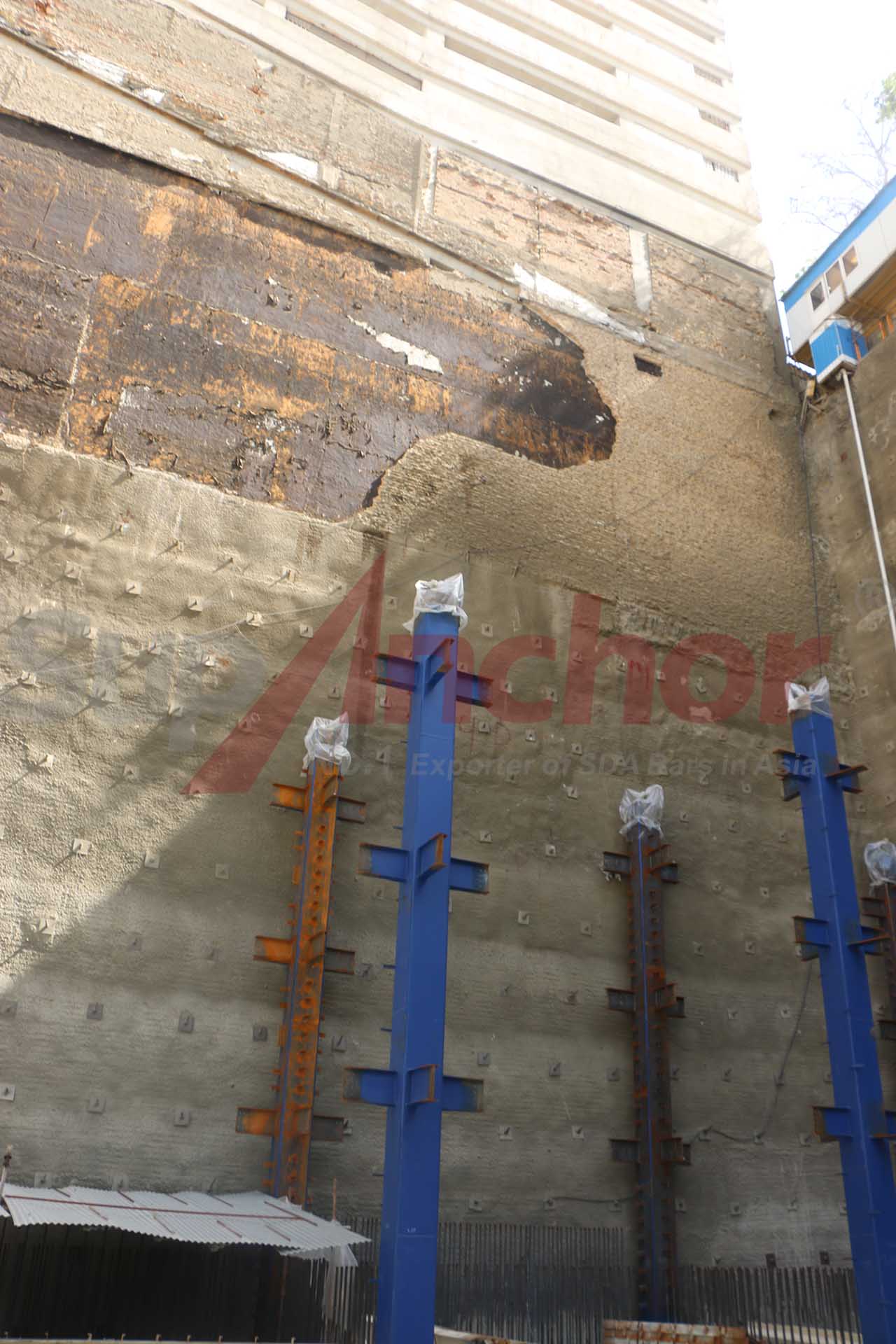
The image above captures a typical application of SupAnchor's self drilling anchor bolts at a highway stabilization project in Switzerland, where the company's hollow bar anchors were used to secure a rock slope. Now, with the GFRP mesh, the same project could benefit from a cohesive strategy: subsurface anchorage paired with surface protection that never rusts.
The SupFRP® GFRP Mesh is constructed from longitudinal and transverse glass fiber reinforced polymer rods, each with a diameter ranging from 4 to 8 millimeters. At every intersection, a robust joint is formed using impregnated polymer yarn, which ensures that the mesh maintains its shape and load-transfer capability even under harsh conditions. This manufacturing process creates a grid that is not only incredibly strong but also flexible enough to wrap around curved surfaces—a limitation of rigid steel meshes.
Engineers will appreciate the balance between strength and weight. The mesh is available in three standard rod diameters, with corresponding jointing loads that guarantee reliability:
| Model | Rod Diameter (mm) | Jointing Load (kN) | Standard Grid Sizes (mm) |
|---|---|---|---|
| M4 | 4 | 2 | 100x100, 150x150 |
| M6 | 6 | 3 | 100x100, 150x150 |
| M8 | 8 | 5 | 100x100, 150x150 |
*Custom grid sizes available upon request.
Key technical advantages include:
These properties collectively address the limitations of steel mesh—corrosion, weight, and electromagnetic interference—while offering comparable or superior mechanical performance. For a soil nail system manufacturer like SupAnchor, integrating this mesh with their drill-and-grout bolt technology creates a holistic ground reinforcement package.
The versatility of the GFRP mesh is evident across multiple sectors. In tunneling and mining, it acts as an effective shotcrete reinforcement, preventing spalling and enhancing the ductility of the lining. Its non-conductive nature eliminates the risk of electrical hazards in underground environments, a common concern with metallic meshes.
For concrete repair projects, such as restoring aged bridges or parking garages, the mesh provides a durable alternative that does not stain surfaces with rust and resists deterioration from de-icing salts. It can be easily cut to fit around existing structures, and its flexibility allows for tight wrapping of columns or beams, ensuring a uniform stress distribution.
In highway and pavement applications, the GFRP mesh serves as an overlay reinforcement to combat reflective cracking. Since it does not interfere with traffic loop detectors or magnetic sensors, transportation agencies find it an attractive alternative to steel. It also eliminates the risk of corrosion when used in concrete overlays exposed to chloride-laden surroundings.
Another growing application is in flat slab construction for commercial and industrial buildings. By replacing upper-mat steel reinforcement with GFRP mesh, contractors can achieve significant weight reduction, which translates to lighter structural frames and lower foundation costs. The mesh's transparency to magnetic fields is also beneficial for facilities like hospitals or laboratories where stray currents must be minimized.
The global push for resilient infrastructure is driving demand for innovative materials. According to recent industry reports, the market for FRP reinforcement is projected to grow substantially as aging infrastructure in North America and Europe requires massive rehabilitation. SupAnchor's entry into this market with a certified, field-tested product positions it as a key player.
The geotechnical reinforcement system sector is evolving, with a clear trend toward solutions that offer both immediate support and long-term durability. The GFRP mesh complements existing anchor systems, such as the self drilling anchor bolt, by providing a surface-level counterpart that shares the same philosophy of sustainability and reliability. For project owners, this means a single-source supplier for comprehensive ground control—from rock bolting to final lining.
In addition to its performance attributes, the GFRP mesh contributes to lower lifecycle costs. Reduced maintenance, elimination of corrosion-related repairs, and faster installation times all factor into a favorable economic equation. As governments allocate budgets for infrastructure renewal, such cost-effective and durable solutions are likely to gain preferential status.
With over two decades of experience in the anchor industry, SupAnchor has built a reputation for engineering excellence. The company's self drilling anchor system is used in iconic projects like the Gotthard Base Tunnel in Switzerland, where reliable ground support was paramount. That same engineering rigor is embedded in the GFRP mesh.
SupAnchor operates a state-of-the-art production facility, adhering to ISO 9001 and CE certification standards. Their R&D department continuously explores advanced composite materials to solve real-world construction challenges. The launch of the SupFRP® GFRP Mesh is a direct response to customer feedback asking for a corrosion-proof, non-conductive reinforcement alternative that does not sacrifice strength.
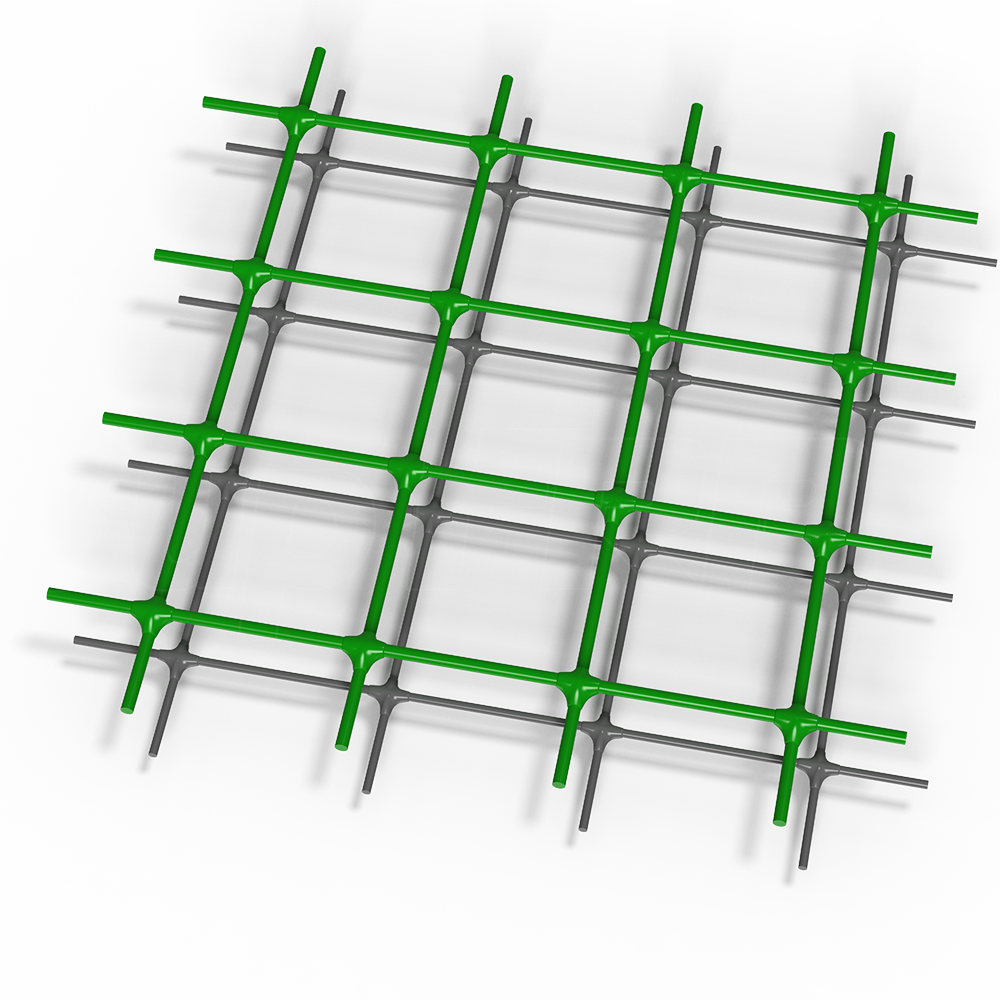
The image above showcases the clean, uniform grid of the GFRP mesh, ready for integration into shotcrete, concrete, or overlay applications. Each roll can be produced in custom widths and lengths to minimize waste and optimize logistics.
As a leading ground anchor bolt factory, SupAnchor is committed to providing not just products but complete engineering support. Clients receive guidance on mesh selection, installation methods, and compatibility with other ground reinforcement systems. This collaborative approach ensures that every project achieves its intended performance goals, whether it's a small building repair or a multi-billion-euro infrastructure scheme.
To explore the benefits of the SupFRP® GFRP Mesh or to request a technical consultation, visit SupAnchor's official website or reach out to their international sales teams. As the industry moves toward more sustainable and resilient construction, SupAnchor continues to lead with innovation.
SupAnchor's self drilling anchor system deployed on an Alpine slope stabilization project, showcasing efficient installation and high-performance geotechnical reinforcement in challenging conditions.
SupAnchor's Grade 75 self-drilling hollow anchor bars deliver ASTM A615 performance, continuous T-thread bonding, and proven reliability for hydropower slope stabilization projects.
SupAnchor's self drilling anchor system deployed on an Alpine highway slope stabilization project, enabling fast drilling and grouting in fractured rock while meeting strict safety and environmental standards.
SupAnchor launches a corrosion-resistant GFRP friction bolt, offering lightweight, spark-free ground support for tunneling and mining.
SupAnchor's self drilling anchor system demonstrates superior performance in a challenging slope stabilization project, ensuring safety and efficiency.