
In a landmark infrastructure development, engineers faced unstable ground conditions that threatened the progress of a critical foundation support project. The site, characterized by fractured rock and loose overburden, required a robust geotechnical reinforcement system that could be installed quickly and safely. SupAnchor’s self drilling anchor system was selected to overcome these challenges, demonstrating the efficiency and reliability of hollow bar anchor technology in demanding construction environments.
The project, located in a seismically active region, demanded a ground stabilization anchor system capable of withstanding dynamic loads while maintaining excavation safety. Traditional anchoring methods proved inadequate due to the need for pre-drilling and casing, which risked collapse in the weak strata. The self drilling anchor bolt, also known as a drill-and-grout bolt, offered a streamlined solution by combining drilling, grouting, and anchoring in a single pass, vastly reducing installation time and enhancing bond strength.
The site’s geology consisted of highly variable layers: weathered shale interbedded with sandstone and occasional boulders, with groundwater seeping through crevices. Such conditions make conventional drilling prone to hole collapse, loss of grout, and low pull-out resistance. The hollow bar anchor design, with its continuous internal thread and sacrificial drill bit, enables simultaneous drilling and grouting, immediately stabilizing the borehole and preventing water ingress. This methodology not only secured the excavation but also allowed work to proceed during the rainy season, avoiding costly delays.
The project site was situated on a steeply sloping hillside adjacent to a major highway, leaving minimal buffer for slope deformation. Core samples revealed a high degree of fracturing with RQD (Rock Quality Designation) values often below 25%, indicating very poor rock mass. In such ground, unsupported holes would quickly loosen and cave, rendering post-grouted anchors unreliable. The design team considered several options, including strand anchors with casing, but the risk of ground loss during drilling and the time required for installation were prohibitive.
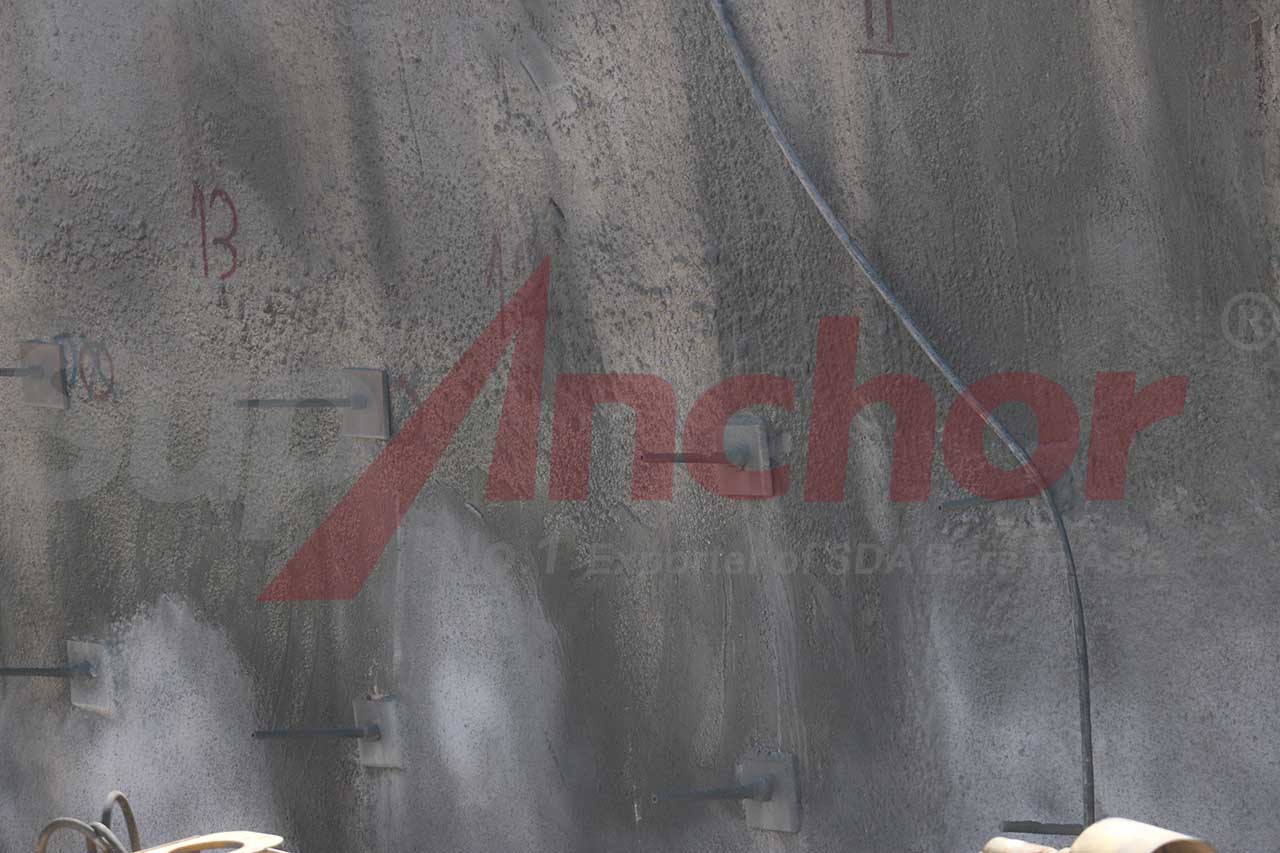
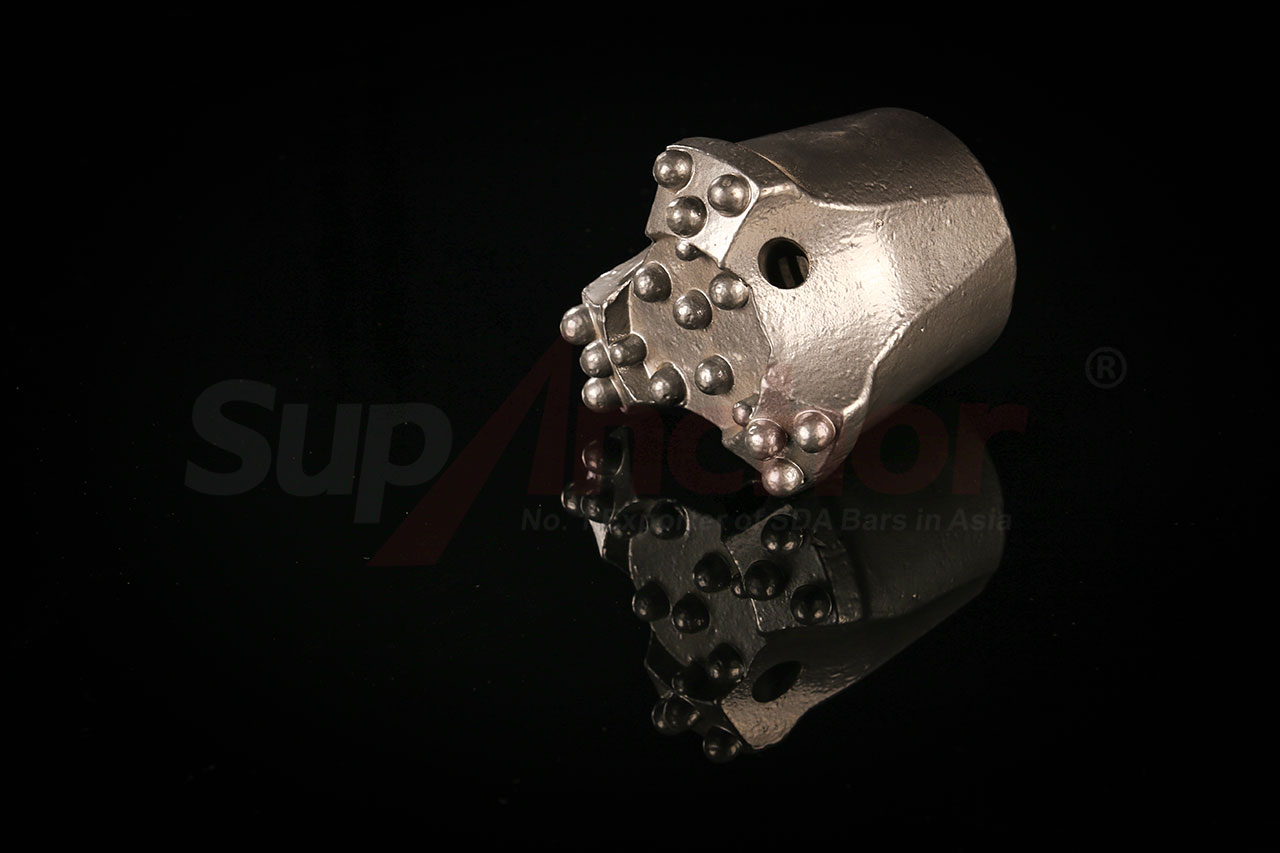
The self drilling anchor system emerged as the optimal choice because it eliminates the need for temporary casing. The hollow bar, equipped with a disposable drill bit, is advanced into the ground using a rotary-percussive hammer. Grout is pumped through the bar during drilling, flushing out cuttings and filling the annular space between the bar and the soil or rock. This technique creates a reinforced grout column that bonds intimately with the surrounding ground, mobilizing skin friction along the full length. For this project, a pattern of anchors up to 25 meters long was installed at a spacing of 1.5 meters, forming a reticulated micropile wall that locked the slope in place.
The installation of a self drilling anchor bolt follows a precise sequence that demands skilled operators and quality equipment. First, the anchor location is surveyed and the drill rig positioned. A starter bar with a drill bit is coupled to the drilling string and aligned to the correct inclination, typically 10–15 degrees downward for slope stabilization. As drilling commences, grout is injected through the hollow core at a controlled pressure, typically 0.5–2 MPa, ensuring continuous flushing and hole integrity. The percussive action pulverizes the rock at the bit face, while the rotating motion advances the bar.
When a bar section reaches its full length, drilling pauses, and a coupler is added to attach the next section. SupAnchor’s couplers are designed to achieve full tensile strength continuity, with a capacity exceeding that of the bar itself. This is critical for deep installations, where the anchor may consist of up to 10 coupled sections. The final section is terminated with a bearing plate and nut, which will be tightened after the grout has set to apply a preload if specified. Once the target depth is reached, grouting continues until clean cementitious grout returns at the surface, confirming complete hole filling.
This drill-and-grout bolt methodology has been refined over decades, and SupAnchor’s systems incorporate features like check valves to maintain grout pressure and left-hand thread options for specific geology. The result is a fast, reliable installation that can achieve production rates of 200–400 meters per shift, depending on ground conditions—far surpassing the speed of cased or open-hole methods.
The performance of any geotechnical reinforcement system relies on precise engineering and material quality. The following table summarizes key specifications of the SupAnchor self drilling anchor system employed in this project:
| Parameter | Specification | Remarks |
|---|---|---|
| Nominal Outer Diameter | 32 mm, 40 mm, 52 mm | Selected based on load requirements |
| Tensile Strength | 660 – 1100 MPa | Depending on steel grade |
| Yield Strength | 525 – 850 MPa | Ensures elastic behavior under service loads |
| Maximum Elongation | ≥ 16% | Ductility for energy absorption |
| Coupler Tensile Capacity | > 100% of bar ultimate strength | Full-strength connection |
| Corrosion Protection | Hot-dip galvanized, epoxy coating, or stainless steel | Tailored to site aggressiveness |
| Standard Length per Section | 3.0 m (can be coupled) | Extendable to over 30 m |
The combination of high tensile strength and corrosion resistance ensures that these self drilling anchor bolts can withstand aggressive environments, including those with acidic groundwater or industrial pollutants. For this project, a 40 mm diameter bar with 830 MPa grade steel and hot-dip galvanizing was chosen to balance strength, durability, and cost-effectiveness. The hollow bar anchor design facilitates efficient grout injection, filling voids and anchoring the bar into competent ground.
Field pull-out tests, conducted in accordance with international standards such as EN 1537, demonstrated ultimate bond stresses exceeding 1.2 MPa in the weathered shale, well above the design assumption. This performance was attributed to the enhanced grout penetration enabled by the percussive drilling action, which opened fissures and allowed the grout to create a mechanical interlock. The testing also confirmed that the sacrificial bit and coupling system did not introduce weak points; all failures occurred in the grout-ground interface or the bar itself, never at the joints.
When compared to traditional ground anchor systems, the self drilling anchor offers compelling technical and economic benefits. Conventional methods often require a pre-drilled hole, sometimes with temporary casing, followed by insertion of the tendon and separate grouting. In collapsing ground, maintaining the hole is difficult and can lead to excessive grout loss and poor bond. Self drilling eliminates these steps: the bar is the drill rod, and the grout is placed simultaneously. This single-pass operation reduces time per anchor by 30–50% and cuts equipment and labor costs substantially.
Furthermore, the continuous hollow bar provides a full-length reinforcement that is superior to post-grouted anchors that may have section losses at joints. In terms of load transfer, the grout-soil bond develops uniformly along the axis, minimizing stress concentrations. The system is particularly advantageous as a micropile hollow bar anchor for underpinning or foundation reinforcement, where access is limited and vibration must be minimized. SupAnchor’s self drilling anchor for retaining walls, for example, has become a standard in European transportation projects for temporary and permanent slope support.
The drill-and-grout bolt also excels in environments with obstructed access, such as urban basements or inside tunnels, because it requires only a compact drill rig and generates low noise and vibration. This makes it suitable for projects adjacent to sensitive receptors like hospitals or historic buildings. The absence of drill steel typically results in reduced wear and fuel consumption, aligning with increasingly stringent sustainability targets.
The adoption of the self drilling anchor system reflects a broader shift in civil engineering toward integrated, time-saving solutions. As urbanization accelerates, projects in congested areas demand minimal disturbance and rapid execution. The drill-and-grout bolt concept aligns perfectly with these needs, reducing the number of construction steps and machinery required on site. This not only lowers carbon footprint but also enhances worker safety by limiting exposure to hazardous ground conditions.
Globally, infrastructure investment is surging, with a focus on resilient transport networks and underground space development. Self drilling anchor bolts are increasingly specified for tunneling, slope stabilization, and deep excavation support. In underground mining, rock bolts for underground mining must address high stress and dynamic loading; the self drilling method allows immediate support after blasting, critical for mine safety. Similarly, micropile hollow bar anchors provide foundation solutions in restricted access sites, such as underpinning existing structures or erecting transmission towers on steep slopes.
As a leading soil nail system manufacturer and anchor bolt system for geotechnical engineering provider, SupAnchor has positioned itself at the forefront of this market. The company’s SDA bolt factory direct supply chain ensures consistent quality, with rigorous ISO 9001 and ISO 14001 certified production processes. SupAnchor’s global footprint spans over 30 countries, with technical support teams that assist from design to commissioning. Their catalog includes self drilling bolts for civil engineering applications ranging from curtain grouting to dam remediation, reflecting a deep understanding of diverse geotechnical challenges.
The firm’s philosophy—Professional, Innovative, Collaborative—is embodied in continuous R&D efforts. Recent innovations include high-fatigue-resistant anchors for seismic zones and self-drilling injection bolts with integrated packers for targeted grouting. Such advancements respond to the industry’s call for more resilient and adaptable geotechnical reinforcement systems.
Self drilling anchor technology contributes to sustainable construction in several ways. The reduction in equipment and drilling time translates directly into lower fuel consumption and greenhouse gas emissions. Because the system uses the bar itself as the drill rod, there is no disposable drill steel to manage, and the sacrificial bit remains in the ground, eliminating waste. The grout consumption is optimized as the hole is continuously filled, with little to no overbreak or loss into fissures, reducing cement usage—a significant source of CO₂ in construction.
Safety is intrinsically enhanced. The immediate grouting stabilizes the ground, drastically reducing the risk of collapse during installation. Workers are not exposed to open unsupported holes, and the percussive drilling method produces minimal vibration that could disturb adjacent structures. These factors were pivotal in the decision to use SupAnchor’s ground anchor bolt factory supplied systems for a highway expansion project that passed under a historic arch bridge, where settlement was tightly controlled and monitoring required real-time feedback.
Looking ahead, the demand for sophisticated self drilling anchor systems will grow as underground construction becomes deeper and slopes steeper. Climate change adaptation also calls for robust ground stabilization anchor systems to protect infrastructure against extreme weather events. SupAnchor is poised to meet these challenges with its comprehensive range of hollow bar anchors, drill bits, and accessories, backed by engineering support that elevates project outcomes.
Emerging trends such as digital construction and automation are also influencing anchor technology. SupAnchor is exploring IoT-enabled grouting monitors that record pressure, flow, and volume in real time, feeding data to project management platforms. This integration allows for dynamic adjustment of grouting parameters and provides a verifiable record of installation quality—a crucial step toward full digital twins of geotechnical assets.
In conclusion, the successful deployment of SupAnchor’s self drilling anchor system in this challenging terrain underscores the value of innovative geotechnical solutions. By integrating the drilling and anchoring process, the system not only overcame geological hurdles but also set a benchmark for safety and productivity. As the world builds for the future, technologies like the self drilling anchor bolt will remain at the forefront, turning geotechnical complexity into opportunity.
SupAnchor's self drilling anchor system delivers efficient ground stabilization in a large-scale infrastructure project, offering technical advantages in difficult geological conditions.
SupAnchor unveils SupFRP® GFRP reinforcement rebar offering high tensile strength, corrosion resistance, and versatility for soft-eye excavation, sea walls, and precast elements. Learn about specs and applications.
SupAnchor's self drilling anchor system has been successfully deployed on a highway slope stabilization project in Europe, overcoming fractured rock and loose soil conditions with high-strength hollow bar anchors and drill-and-grout technology.
SupAnchor launches SupFRP® GFRP friction bolt: lightweight, corrosion-resistant, non-conductive, high tensile strength, easy ore separation.
European infrastructure project overcomes difficult geology with SupAnchor self drilling anchor system. Technical specs, industry value, and brand insight.