
In the demanding world of concrete infrastructure, where jointed rigid pavements must withstand heavy traffic loads and relentless environmental stresses, SupAnchor® has unveiled a groundbreaking solution: the SupFRP® GFRP Dowel Bar. Designed to ensure long-lasting load transfer across construction joints, this innovative glass fiber reinforced polymer (GFRP) product promises a service life exceeding 100 years without the threat of corrosion. As a trusted name in geotechnical reinforcement systems, SupAnchor leverages its deep expertise in self drilling anchor bolts and hollow bar anchors to deliver advanced solutions for modern construction challenges. A recent deployment on a major highway expansion project highlights the dowel bar's capability to maintain structural integrity under extreme conditions.
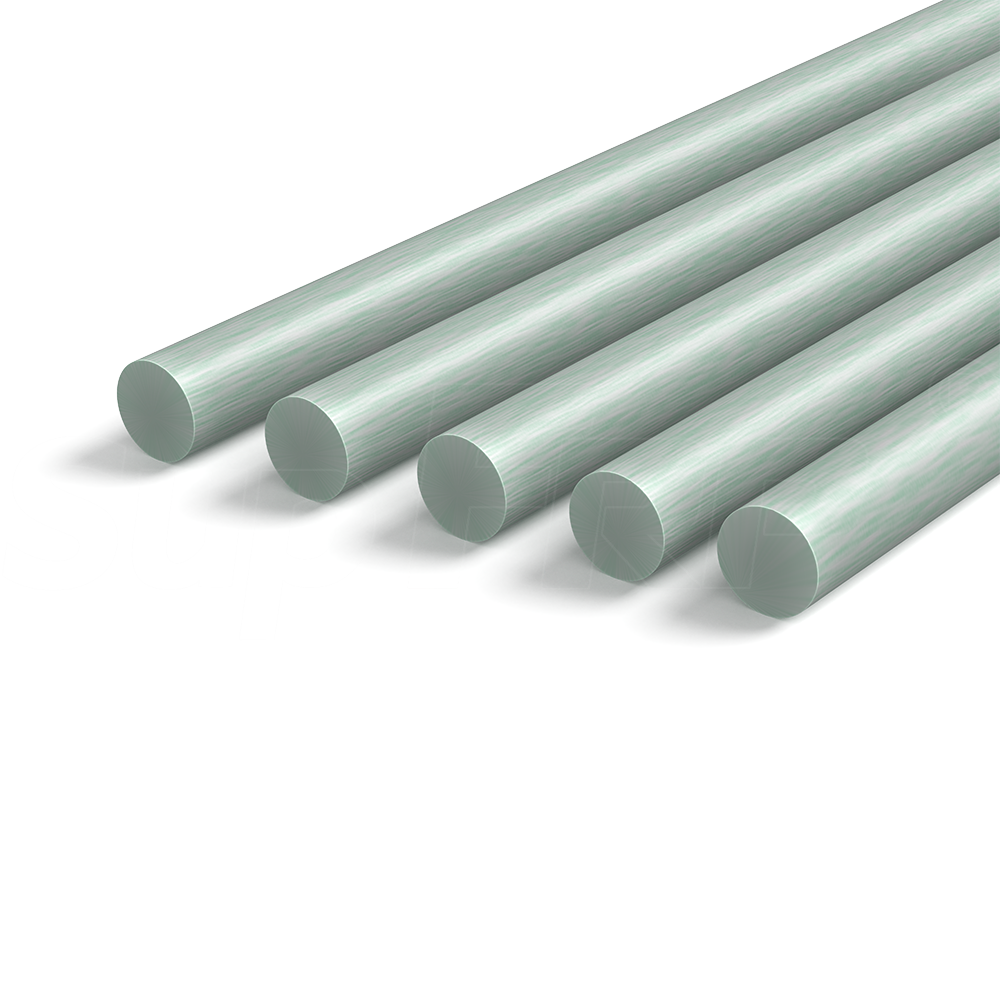
The SupFRP® GFRP Dowel Bar serves as a critical load-transfer device at construction joints in concrete slabs. Unlike traditional steel dowels, it enables horizontal slab movement to accommodate thermal expansion and contraction while maintaining a robust mechanical link between adjacent panels. Its non-corrosive nature eliminates the primary weakness of steel—rust-induced deterioration—making it ideal for roads, bridges, and industrial flooring exposed to de-icing salts or marine environments.
The dowel bars are manufactured from premium raw materials and can be fully customized to meet project-specific requirements. Their coefficient of thermal expansion (9–11 x10⁻⁶/°C) closely matches that of concrete, minimizing internal stresses. The table below highlights the technical parameters of six standard diameters, demonstrating the product's scalability:
| Model | Outside Diameter (mm) | Transverse Shear Load (kN) | Thermal Expansion (x10⁻⁶/°C) |
|---|---|---|---|
| DB16 | 16 | 35 | 9-11 |
| DB20 | 20 | 55 | 9-11 |
| DB25 | 25 | 85 | 9-11 |
| DB32 | 32 | 130 | 9-11 |
| DB38 | 38 | 180 | 9-11 |
| DB45 | 45 | 255 | 9-11 |
These specifications address critical engineering needs: from DB16 for light-duty pedestrian walkways to DB45 for heavy-duty airport aprons, the range ensures optimal load transfer while preventing joint spalling. The high transverse shear loads (up to 255 kN) are a testament to the advanced laminate composition, guaranteeing reliability even under dynamic traffic conditions. Engineers can thus design slimmer slabs without compromising safety, reducing material costs and carbon footprint.
The SupFRP® GFRP Dowel Bar is engineered for versatility across a spectrum of infrastructure projects:
On a recent European highway rehabilitation project, the contractor replaced corroded steel dowels with SupFRP bars across 10 km of jointed pavement. The self drilling anchor system was first used to stabilize subgrade in weak soil zones—showcasing SupAnchor’s integrated approach—before the GFRP dowels were installed. The result is a seamless driving surface predicted to remain maintenance-free for decades.
Globally, asset owners are shifting toward life-cycle cost analysis, and the GFRP dowel bar delivers compelling economics. Traditional steel dowels, even when galvanized, often corrode within 20–30 years, leading to expensive joint repairs and traffic disruptions. In contrast, SupFRP bars eliminate the need for protective coatings and cathodic protection, slashing long-term maintenance budgets. Their light weight (as low as 0.43 kg/m) simplifies handling and installation, reducing labor and equipment costs.
From an environmental standpoint, the 100-year design life means fewer reconstruction cycles, conserving raw materials and energy. The non-toxic, non-leaching composition aligns with green building certifications such as LEED and BREEAM. As a leading soil nail system manufacturer and ground anchor bolt factory, SupAnchor integrates circular economy principles by ensuring recyclability of its polymer products at end of life.
SupAnchor has built its reputation over two decades as a pioneer in geotechnical reinforcement systems. The company’s portfolio spans self drilling anchor bolts, drill-and-grout bolts, and hollow bar anchors, serving mega-projects from Alpine tunnels to Southeast Asian metros. With ISO 9001:2015 certification and CE marking on key products, every SupFRP dowel bar undergoes rigorous third-party testing before shipment.
The launch of the GFRP dowel line reflects a deep commitment to R&D and customer-centric collaboration. Engineers at SupAnchor work closely with consultants to customize diameters, lengths, and surface treatments, ensuring each project gets an optimized solution. “Our goal is not just to supply products, but to become a reliable partner in infrastructure safety,” says a company spokesperson. This philosophy has fueled expansion into over 40 countries, supported by a network of certified distributors and technical advisors.
Looking ahead, SupAnchor is investing in smart monitoring technologies that embed fiber-optic sensors within GFRP bars, enabling real-time load and strain data. Such innovations will further cement its role as a catalyst for the next generation of resilient infrastructure. Whether it’s a self drilling anchor system for a deep excavation or a dowel bar for a concrete pavement, the brand stands for Professionalism, Innovation, and Collaboration.
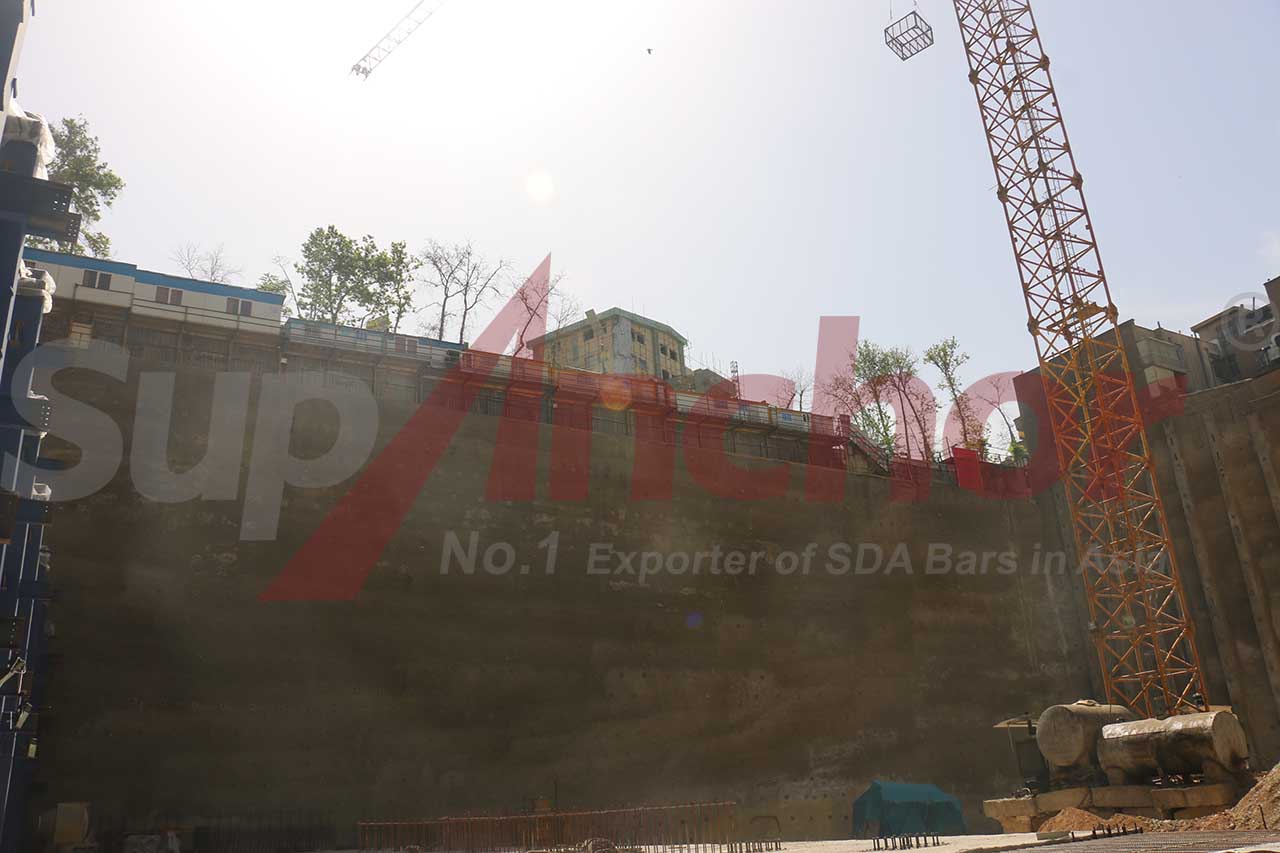
SupAnchor's self drilling anchor system delivers efficient ground stabilization in a large-scale infrastructure project, offering technical advantages in difficult geological conditions.
SupAnchor unveils SupFRP® GFRP reinforcement rebar offering high tensile strength, corrosion resistance, and versatility for soft-eye excavation, sea walls, and precast elements. Learn about specs and applications.
SupAnchor's self drilling anchor system has been successfully deployed on a highway slope stabilization project in Europe, overcoming fractured rock and loose soil conditions with high-strength hollow bar anchors and drill-and-grout technology.
SupAnchor launches SupFRP® GFRP friction bolt: lightweight, corrosion-resistant, non-conductive, high tensile strength, easy ore separation.
European infrastructure project overcomes difficult geology with SupAnchor self drilling anchor system. Technical specs, industry value, and brand insight.