
A large-scale transportation infrastructure project in a geologically complex region of Europe is demonstrating the efficiency and reliability of modern ground anchoring technology. The project, which involves the construction of a new highway tunnel portal and associated retaining structures, has encountered challenging ground conditions including fractured rock, high groundwater inflow, and limited access for conventional drilling equipment. To address these issues, the project team selected a self drilling anchor system supplied by SupAnchor, a globally recognized manufacturer of geotechnical reinforcement systems.
The site is located in a steep valley where the highway must transition from an open cut into a tunnel. The geology consists predominantly of weathered schist and gneiss, with zones of highly fractured rock and clay-filled seams. During reconnaissance drilling, boreholes frequently collapsed, and the presence of groundwater at shallow depths further complicated traditional drilling and grouting operations. The contractor needed an anchoring solution that could be installed quickly and safely in these unstable ground conditions while providing the required load capacity for both temporary and permanent support.
Traditional methods, such as driven soil nails or conventional rock bolts with casing, proved to be inefficient and costly. The risk of hole collapse meant that each anchor installation required extensive time for casing advancement and removal, and the grouting quality was often compromised. The project's geotechnical engineers therefore sought a more robust and time-efficient alternative. After evaluating several options, they chose the SupAnchor self drilling anchor bolt, a type of hollow bar anchor that combines drilling, installation, and grouting in a single operation.
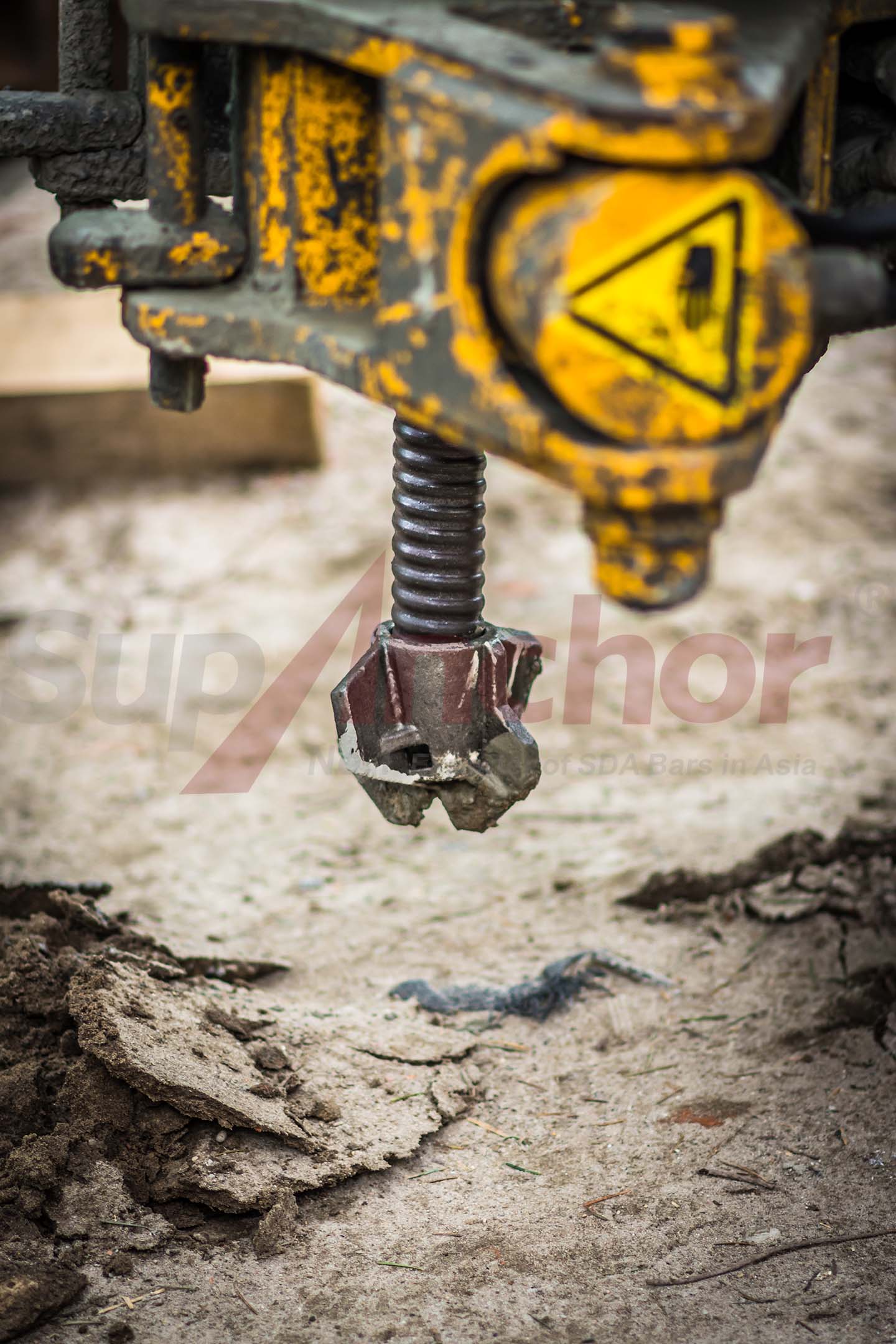
The selected system is known as a drill-and-grout bolt. It consists of a continuously threaded hollow bar with a disposable drill bit. During installation, the bar is rotated and advanced using a standard drill rig, while grout is pumped through the hollow core simultaneously. This process eliminates the need for a separate casing and ensures that the grout completely fills the annular space, providing excellent bond to the surrounding ground. The result is a high-strength anchor that can be installed in loose or collapsing ground with minimal disturbance.
For this project, SupAnchor supplied its SDA (Self Drilling Anchor) system with the following key specifications. The table below summarizes the main technical parameters of the hollow bar anchors used on site.
| Parameter | Specification |
|---|---|
| Nominal diameter | 32 mm |
| Ultimate tensile strength | 660 MPa |
| Yield strength | 500 MPa |
| Elongation at fracture | 8% |
| Corrosion protection | Hot-dip galvanized (minimum 70 µm) |
| Standard length | 3 m / 4 m / 6 m (can be coupled) |
| Thread type | R32 rope thread |
| Drilling method | Rotary percussive with lost bit |
The 32 mm diameter hollow bar provides a balance between drillability and load capacity. With an ultimate tensile strength of 660 MPa, each anchor can safely carry a working load exceeding 250 kN, which is more than sufficient for the retaining wall and portal stabilization requirements. The yield strength of 500 MPa ensures that the anchor remains elastic under service loads, preventing permanent deformation. The elongation of 8% allows some ductility, which is important in dynamic or seismic conditions.
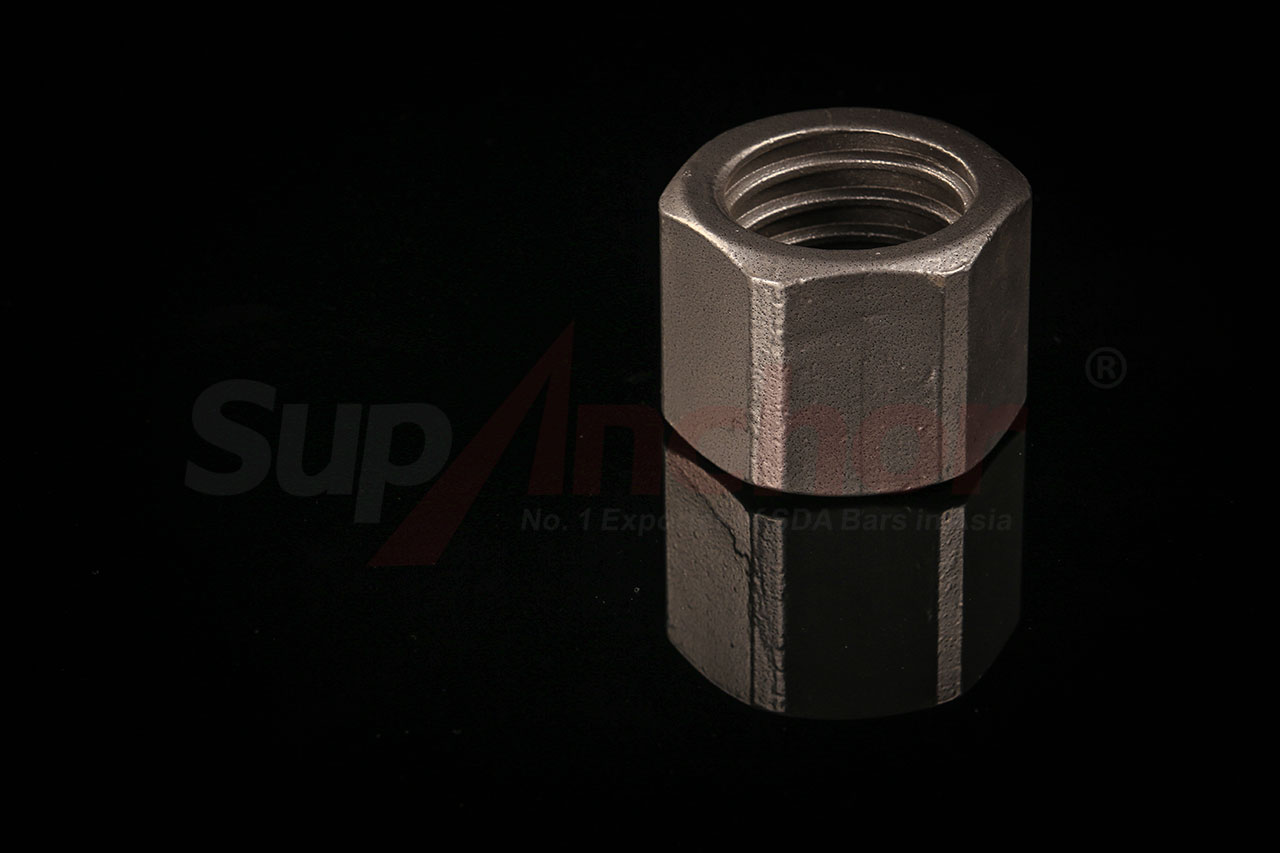
Corrosion protection is a critical factor for permanent anchors in aggressive environments. The hot-dip galvanized coating, with a minimum thickness of 70 µm, provides a durable barrier against corrosion, extending the service life of the anchor system to over 100 years in most soil and rock conditions. This meets the requirements of European standards for permanent geotechnical structures. The R32 rope thread allows for easy coupling of multiple bar segments, enabling the installation of anchors up to 24 meters in length without sacrificing structural integrity.
The drill-and-grout bolt design also incorporates a central hole for grout injection. During installation, cementitious grout is pumped through the bar at high pressure, filling the drilled hole and the surrounding fractures. This not only bonds the bar to the ground but also improves the ground's overall stability by filling voids and sealing water paths. The simultaneous drilling and grouting process is particularly advantageous in collapsing ground, as the grout immediately supports the borehole walls.
At the project site, the self drilling anchor system was used for multiple applications: temporary support of the tunnel portal excavation, permanent soil nailing for a 12-meter-high retaining wall, and micropile foundations for a bridge abutment. A standard drill rig equipped with a rotary percussive head was used to install the anchors. The average installation time per anchor was reduced by approximately 40% compared to conventional cased drilling methods, according to the site supervisor.
The construction sequence involved the following key steps:
The image above shows the installation of a self drilling anchor bolt on a steep slope. The drill rig is compact and can maneuver in limited space, which was crucial on the narrow mountain road. The operator drills the bar into the weathered rock formation, while the grout pump (not visible) maintains a continuous flow. The entire operation is controlled by a single crew, reducing labor requirements and improving safety.
Field tests conducted after installation confirmed the anchors achieved the design bond strength. Pull-out tests on sacrificial anchors showed failure loads exceeding 300 kN, with the failure occurring at the grout-ground interface rather than in the steel bar, indicating optimal utilization of the bar's tensile capacity. The project's quality control program included regular testing of grout strength and anchor alignment, and all results met or exceeded the specified acceptance criteria.
The versatility of the hollow bar anchor system allowed the contractor to adapt to varying ground conditions without changing equipment. In zones of extremely fractured rock, shorter anchors with more frequent spacing were installed, while in more competent rock, longer anchors were used. The ability to couple bar segments on site meant that no pre-cutting was required, and stock lengths could be efficiently managed.
The successful application of this self drilling anchor system on a major European infrastructure project highlights a broader trend in the geotechnical engineering industry: the demand for faster, safer, and more cost-effective ground stabilization methods. According to industry reports, global investment in transportation infrastructure and underground construction is expected to grow significantly over the next decade, driven by urbanization, aging infrastructure, and the need for resilient systems. This growth is particularly evident in Europe and North America, where many tunnels, bridges, and retaining walls are being upgraded or newly constructed.
Self drilling anchor bolts, also known as hollow bar anchors or drill-and-grout bolts, have emerged as a preferred solution for projects involving difficult ground conditions. Their ability to combine drilling, installation, and grouting into a single operation offers distinct advantages over traditional methods: reduced installation time, lower equipment costs, and improved safety by minimizing the exposure of workers to unstable ground. Moreover, the immediate grouting action reduces the risk of hole collapse and groundwater inflow, which are common problems in tunneling and deep excavation projects.
Beyond transportation projects, self drilling anchor systems are widely used in other sectors. In underground mining, rock bolts for underground mining provide immediate support in advancing tunnels and stopes. In civil engineering, micropile hollow bar anchors are employed for foundation underpinning and seismic retrofitting. For retaining walls, self drilling anchors for retaining walls offer an efficient method to stabilize slopes and excavations in urban environments where space is limited. The concept of a ground stabilization anchor system has become a standard tool in the geotechnical engineer's toolkit.
The use of a self drilling bolt for civil engineering applications is supported by international standards and guidelines, such as EN 14199 for micropiles and EN 14490 for soil nails. These standards provide performance criteria and testing procedures that ensure the reliability and durability of the anchoring systems. Manufacturers like SupAnchor, a leading soil nail system manufacturer and ground anchor bolt factory, invest heavily in research and development to meet these stringent requirements and to develop new products that address evolving challenges.
Another trend is the increasing emphasis on sustainability. The hollow bar anchor system reduces material waste because the drill bit is sacrificial and the bar remains in place, eliminating the need for temporary casing that must be removed and disposed of. The grout used is typically cement-based, which is readily available and has a lower environmental footprint compared to some chemical grouts. Additionally, the speed of installation reduces the overall carbon footprint of the construction process.
SupAnchor has established itself as a trusted provider of geotechnical reinforcement systems, serving projects across Europe, North America, and beyond. The company's commitment to quality is demonstrated by its ISO 9001 and ISO 14001 certifications, which cover the design, manufacturing, and supply of anchoring products. SupAnchor's manufacturing facilities are equipped with advanced production lines and testing laboratories, ensuring that every SDA bolt factory direct supply product meets the highest standards.
The company's product portfolio includes a wide range of self drilling anchor systems, including different diameters, thread types, and corrosion protection options. This flexibility allows engineers to select the optimal anchor bolt system for geotechnical engineering projects, from small-scale slope repairs to large underground caverns. SupAnchor also provides technical support and on-site training, reflecting its philosophy of 'Professional, Innovative, Collaborative.'
Looking ahead, SupAnchor is investing in new technologies to further improve the performance of its products. For example, developments in high-strength steel alloys and advanced coating systems are expected to increase load capacities and extend service life even in highly aggressive environments. The company is also exploring digital solutions, such as smart anchors with embedded sensors for real-time monitoring of anchor loads and corrosion status.
The project described in this article is a testament to the value of high-quality self drilling anchor systems in modern construction. By overcoming challenging ground conditions efficiently and safely, the technology contributes to the successful delivery of critical infrastructure. As the industry continues to evolve, the role of robust, reliable anchoring solutions will only become more important.
For more information about SupAnchor's products and projects, visit the company's official website. The self drilling anchor system showcased here represents a proven, cost-effective solution for geotechnical reinforcement, and its application on this European highway project demonstrates why it is increasingly the method of choice for contractors worldwide.
A European infrastructure project utilized SupAnchor's self drilling anchor bolt to stabilize fractured rock and groundwater challenges, proving the reliability of hollow bar anchors in geotechnical reinforcement.
SupAnchor's GFRP hollow injection bolt, a self drilling anchor system, offers high tensile strength, corrosion resistance, and efficient grouting for slope stabilization and TBM tunneling. Learn its technical specs and applications.
SupAnchor's SupHulk friction rock bolt system provides high yield loads and full-length friction anchoring for mining and tunneling, ensuring safety and rapid installation in challenging rock conditions.
Industry report on SupAnchor's self drilling anchor system deployed in a challenging geotechnical project, highlighting technical parameters and industry impact.
SupAnchor introduces the SupFRP® GFRP Solid Bolt, a corrosion-resistant anchoring solution with high tensile strength for slope stabilization, tunnel support, and mining. Lightweight and non-conductive, it outperforms steel in harsh conditions.