
As global infrastructure spending accelerates, geotechnical engineers are increasingly turning to self drilling anchor systems to overcome difficult ground conditions. At a recent transportation project in a mountainous region of Europe, a self drilling anchor bolt solution from SupAnchor proved decisive in stabilizing a 40-meter-high cut slope that had begun to exhibit signs of instability. The site, characterized by fractured shale, weathered rock, and pockets of cohesive soil, demanded a ground stabilization anchor system that could both drill and grout in a single pass. Traditional methods using cased boreholes and post-installed tendons were ruled out due to the risk of hole collapse and the tight construction schedule.
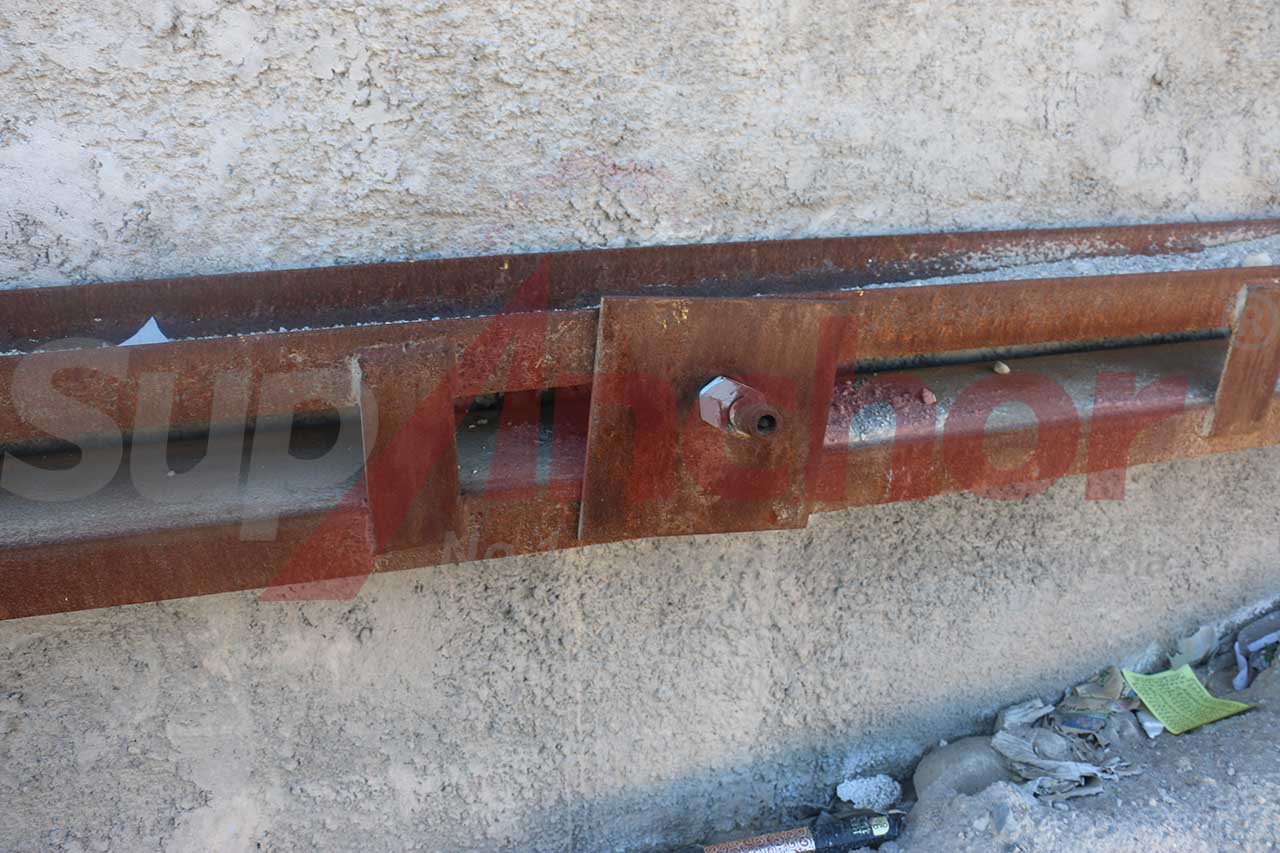
The image above captures the active construction zone where crews installed hundreds of hollow bar anchors along the slope face. A crawler drilling rig equipped with a rotary-percussive head advances the anchor into the ground while grout is simultaneously injected through the hollow core. This process creates a reinforced zone that binds loose material together and transfers load to competent strata.
The project involved widening a two-lane mountain road to four lanes, requiring a 12-meter-deep cut into the hillside. Initial geotechnical investigations revealed a complex subsurface profile: alternating layers of highly fractured sandstone, silty clay, and decomposed granite. Groundwater seepage was observed at multiple elevations, further complicating excavation. According to the site engineer, 'Any open borehole would collapse within minutes, making conventional anchor installation nearly impossible. The self drilling anchor system was the only viable option for achieving the required 200 kN working load per anchor.'
SupAnchor supplied a geotechnical reinforcement system based on the R32N and R38N hollow bar anchors. These drill-and-grout bolts are manufactured from high-strength steel with an integral drill bit, eliminating the need for a separate casing. The system was installed using a sacrificial drill bit that remains in place, and the bar itself serves as the reinforcement element after grouting. This one-pass installation significantly reduced the number of working steps and allowed the contractor to achieve production rates of up to 40 anchors per day.
The construction process began with the preparation of a bench at each anchor row. The drill rig positioned the bar at the specified inclination, typically 15 to 25 degrees below horizontal, and initiated drilling with air or water flushing. Once the design depth was reached, cement grout was injected at pressures up to 1.5 MPa through the hollow core until clean grout returned at the collar. The bar remained in place as the permanent reinforcement, and a bearing plate and nut were installed after the grout reached initial set. The site team noted that the self drilling anchor for retaining walls provided immediate support, allowing excavation to proceed without waiting for full grout strength.
The following table summarizes the key technical parameters of the hollow bar anchor products used on site:
| Model | Nominal Diameter | Yield / Ultimate Load | Standard Length | Corrosion Protection |
|---|---|---|---|---|
| R32N | 32 mm | 280 kN / 360 kN | 2–4 m (couplable) | Hot-dip galvanized |
| R38N | 38 mm | 360 kN / 500 kN | 3–6 m (couplable) | Epoxy coated |
| R51L | 51 mm | 550 kN / 730 kN | 4–6 m (couplable) | Double corrosion protection |
The R32N and R38N bars were chosen for the majority of the slope because their ultimate tensile capacities exceeded the design loads by a factor of 1.7 and 2.4 respectively. The hot-dip galvanized coating provided a minimum 85 μm zinc layer, suitable for the moderately aggressive soil environment. In areas with higher groundwater and potential for stray currents, epoxy-coated bars with a minimum 200 μm dry film thickness were specified. For the deepest anchors that required higher load transfer, the R51L micropile hollow bar anchor was used as a load-bearing element in a reinforced concrete cap beam. The ability to couple bars in 2-meter increments meant that final anchor lengths of 9 to 12 meters could be achieved without sacrificing the continuity of the corrosion protection.
One notable advantage cited by the project's geotechnical lead was the elimination of the 'lost' casing. In conventional anchor drilling, a temporary steel casing is often left in the ground or withdrawn after grouting, which adds cost and time. The drill-and-grout bolt design inherently combines drilling, flushing, and grouting, so no separate casing is required. This also minimizes disturbance to the surrounding ground, reducing the risk of further slope movement.
Quality assurance was another critical factor. Each batch of self drilling anchor bolts was tested for yield strength, ultimate tensile strength, and elongation in accordance with ISO 898-1. On-site load tests were conducted on 5% of the installed anchors, with each test anchor loaded to 1.5 times the design load and held for 30 minutes. The measured creep was consistently below 1 mm, confirming the reliability of the ground stabilization anchor system under sustained load.
The success of this slope stabilization project mirrors a broader shift in the geotechnical industry toward more efficient and reliable ground anchor bolt factory supply chains. According to industry analysts, global demand for self drilling anchor systems is growing at over 6% annually, driven by increased investment in transportation infrastructure, urban excavation support, and renewable energy projects. The hollow bar anchor technology has become a preferred choice for contractors because it reduces the number of equipment moves and allows installation in limited-access areas.
In underground construction, the same principle is applied to rock bolt for underground mining and tunneling. Solid or hollow rock bolts are installed to reinforce the excavation periphery, but the self drilling version offers the added benefit of being able to penetrate fractured or blocky rock without predrilling. For contractors working on metro stations, highway tunnels, and hydroelectric caverns, the micropile hollow bar anchor serves a dual purpose: it can be used as a temporary support during excavation and later as part of the permanent lining anchorage. This adaptability makes it a valuable component of any anchor bolt system for geotechnical engineering.
The project also highlights the importance of selecting a qualified soil nail system manufacturer. Self drilling anchors are often used in soil nailing applications for temporary or permanent retaining walls. However, not all products meet the stringent requirements for load capacity, ductility, and corrosion protection. Specifiers must look for manufacturers with ISO certifications and a proven track record. SupAnchor, for example, holds ISO 9001:2015 for quality management and ISO 14001 for environmental management, and its products carry CE certification under EAD 330232-00-0601. These credentials were a key factor in the project's acceptance of the SDA bolt factory direct supply arrangement, which reduced procurement risk and shortened delivery times from eight weeks to three.
Regulatory frameworks such as Eurocode 7 and EN 14490 now encourage the use of verified geotechnical reinforcement systems. The self drilling anchor for retaining walls is explicitly recognized as a valid ground stabilization anchor system when installed according to certified procedures. The project's compliance with these standards ensured that the design could be approved by the client's independent checker without delay.
Founded in 2004 and headquartered in China with distribution partners across Europe and North America, SupAnchor has delivered self drilling anchor bolts to more than 60 countries. The company positions itself as a professional, innovative, and collaborative partner for geotechnical contractors. Its engineering team provided on-site training for the drilling crews, adjusted grout mix designs to achieve early strength of 20 MPa within 24 hours, and supported load testing on sacrificial anchors to verify performance. The collaboration extended to the design of the bearing plates and nuts, which were hot-dip galvanized to match the anchor bars and ensure a complete corrosion protection package.
The project was completed in 14 weeks, three weeks ahead of schedule. A total of 3,200 linear meters of hollow bar anchors were installed, with an average anchor length of 8 meters. Post-construction monitoring using inclinometers and load cells showed slope movements of less than 3 mm over the following six months, well within the allowable 10 mm limit. The client praised the self drilling bolt for civil engineering as a 'game changer' for projects in difficult access conditions.
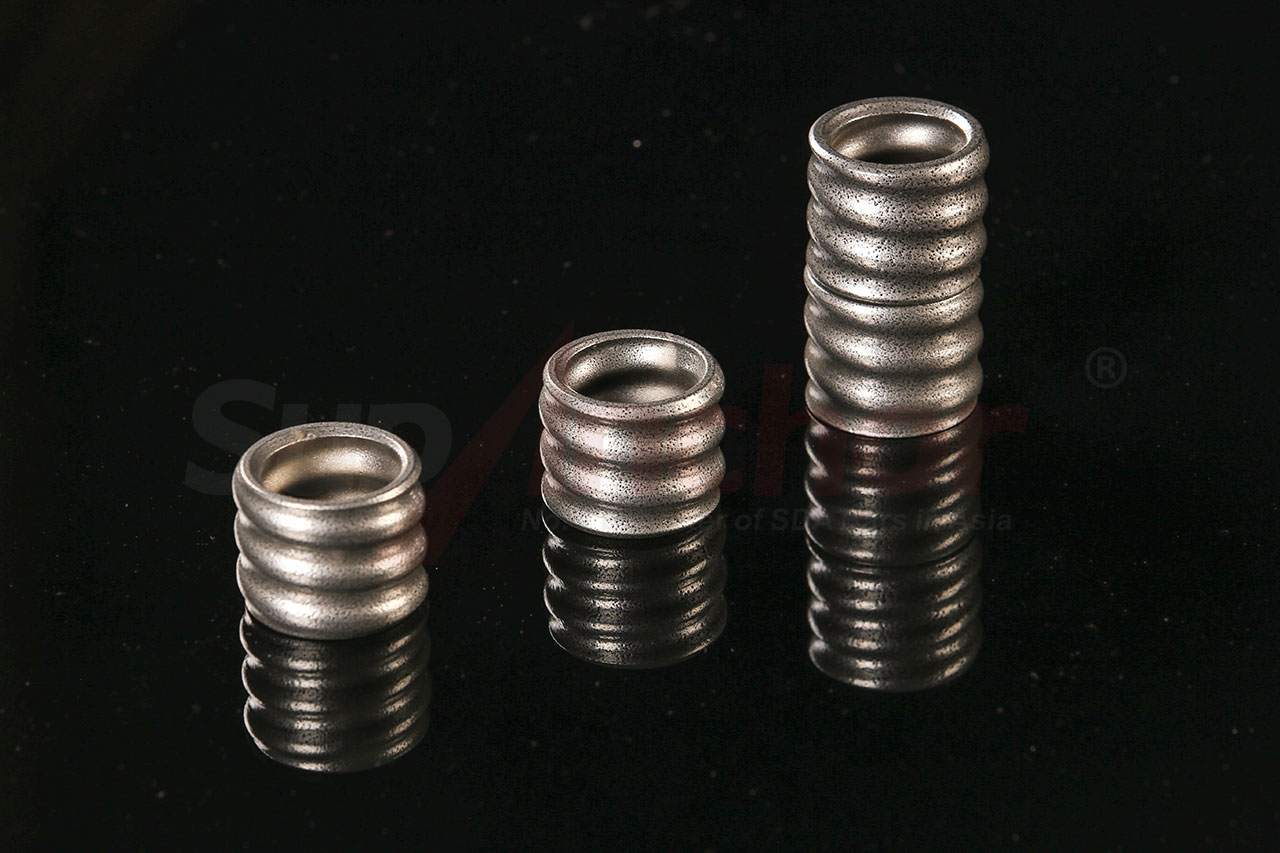
The close-up image above shows the R32N self drilling anchor bolt with its continuous thread and hollow core. The thread profile is designed to maximize bond with the grout, while the hollow interior allows flushing and injection. This product is representative of the ground stabilization anchor system used throughout the project.
Looking ahead, the project team plans to apply the same ground anchor bolt factory supply model to an upcoming highway interchange. Given the rugged terrain and variable geology in the region, the self drilling anchor for retaining walls is expected to remain the primary support method. The successful deployment of self drilling anchor systems in this project underscores their growing role in modern geotechnical engineering. As infrastructure demands escalate, such efficient and dependable solutions will be essential to deliver projects on time and within budget, without compromising safety or durability.
A major infrastructure project deploys SupAnchor's self drilling anchor bolts to stabilize fractured rock and loose overburden, reducing installation time and improving geotechnical safety.
SupAnchor, Asia's No.1 manufacturer of self-drilling anchors, introduces a stainless steel hollow bar anchor with 3-in-1 drilling and grouting, superior corrosion resistance, and long service life for coastal, marine, and industrial projects.
A recent infrastructure project utilized SupAnchor's self drilling anchor system to overcome complex geological conditions, highlighting the technical advantages of hollow bar anchors in geotechnical reinforcement.
SupAnchor introduces the T Thread self-drilling hollow anchor, a drill-and-grout bolt system for tunneling and slope stabilization, with high load capacity and corrosion protection.
A major highway tunnel portal in the European Alps relies on SupAnchor self drilling anchor bolts to overcome fractured rock and water ingress, delivering rapid, reliable ground stabilization and showcasing advanced geotechnical reinforcement systems.