
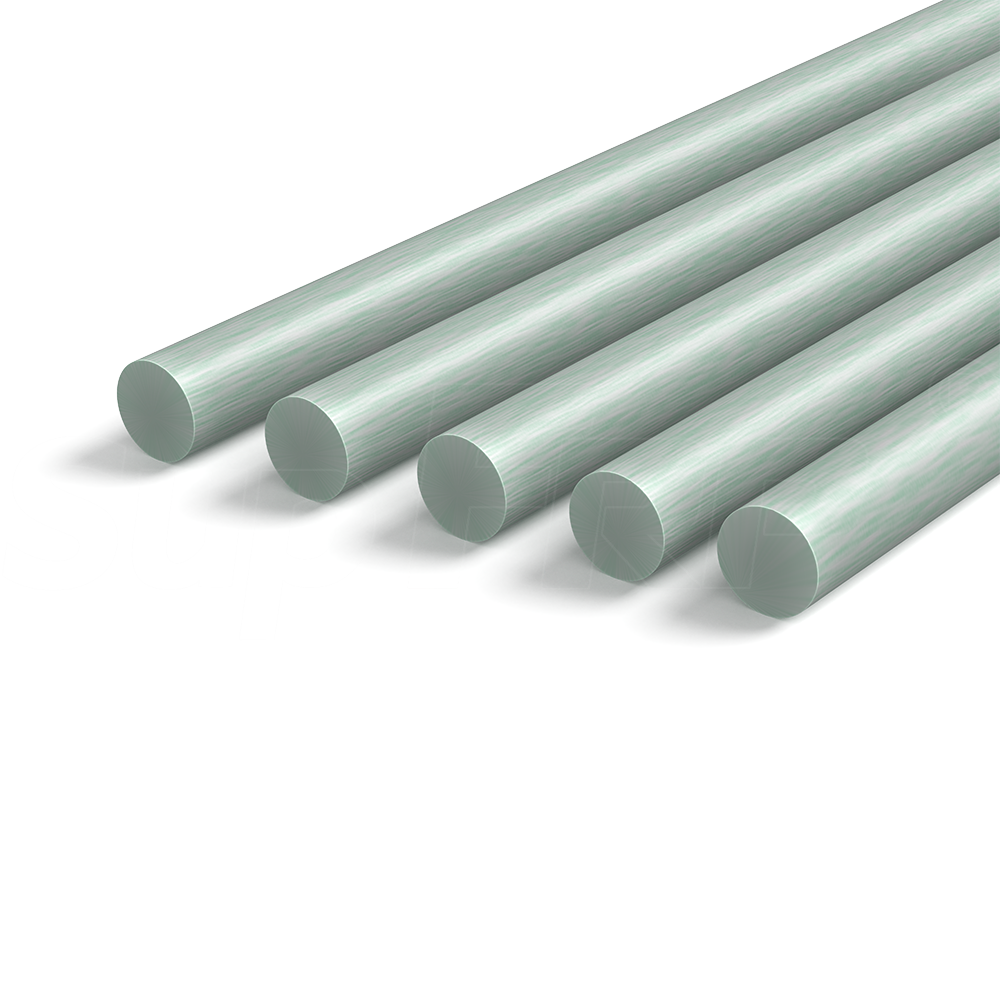
SupAnchor, a global leader in geotechnical reinforcement systems, has officially launched its newest product line, the SupFRP® GFRP Dowel Bar, engineered to deliver superior load transfer performance in concrete slab joints. The announcement comes as infrastructure owners and contractors increasingly seek corrosion-free alternatives to traditional steel dowels, which are prone to rust-induced cracking and premature pavement failure. The new GFRP dowel bars, manufactured from premium raw materials and customizable to meet specific project requirements, promise a service life exceeding 100 years while maintaining high strength and non-conductive, non-magnetic properties.
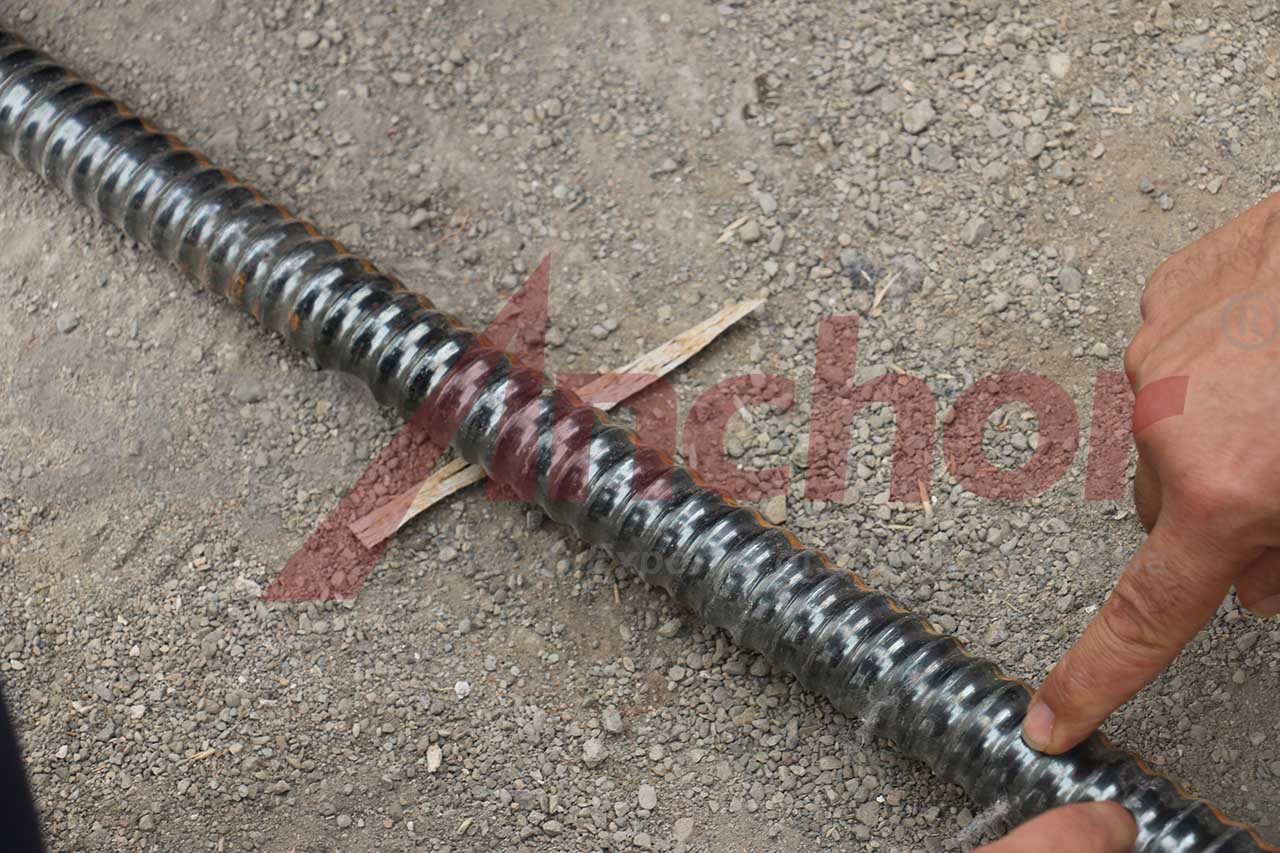
The SupFRP® GFRP Dowel Bar functions as a mechanical load transfer device at construction joints in concrete slabs. It provides a reliable link between adjacent slabs while permitting horizontal movement to accommodate thermal expansion and contraction, thereby preventing stress build-up and structural instability during temperature fluctuations. This design is critical for jointed rigid pavements, where repeated traffic loading and environmental cycles demand durable, maintenance-free solutions.
The new dowel bar line is available in six standard diameters, ranging from 16 mm to 45 mm, each engineered to meet specific load and dimensional requirements. Key technical parameters include transverse shear load capacity, nominal cross-sectional area, coefficient of thermal expansion, and unit weight. The table below summarizes the performance data for each model.
Key advantages of the SupFRP® GFRP dowel bars include:
| Model | Outside Diameter (mm) | Transverse Shear Load (kN) | Nominal Cross-sectional Area (sq.m) | Coefficient of Thermal Expansion (x10^-6/°C) | Weight (kg/m) |
|---|---|---|---|---|---|
| DB16 | 16 | 35 | 200 | 9-11 | 0.43 |
| DB20 | 20 | 55 | 310 | 9-11 | 0.67 |
| DB25 | 25 | 85 | 490 | 9-11 | 1.05 |
| DB32 | 32 | 130 | 800 | 9-11 | 1.71 |
| DB38 | 38 | 180 | 1130 | 9-11 | 2.41 |
| DB45 | 45 | 255 | 1590 | 9-11 | 3.37 |
The GFRP material offers significant advantages over conventional steel dowel bars. Its non-corrosive nature eliminates the risk of rust jacking and concrete spalling, a common cause of pavement deterioration in chloride-rich or de-icing salt environments. The coefficient of thermal expansion (9–11 x 10^-6/°C) closely matches that of concrete, reducing thermal stresses at the joint interface. Furthermore, the bars are non-conductive and non-magnetic, making them ideal for use in areas with electromagnetic sensitivity, such as MRI facilities, railway signal zones, and research laboratories. The high shear load capacities—ranging from 35 kN for the smallest diameter to 255 kN for the largest—ensure robust load transfer under heavy traffic and industrial loads.
SupFRP® GFRP dowel bars are designed for a wide range of construction applications where long-term durability and structural integrity are paramount. Primary uses include jointed rigid pavements, construction joints in industrial floors, embankments, and mechanically stabilized earth (MSE) walls. In jointed concrete pavements, the bars transfer vertical loads across joints while allowing horizontal slab movement, preventing faulting and corner cracking. In embankments and MSE walls, they provide a corrosion-free connection between precast concrete panels, eliminating future maintenance associated with metal corrosion. The bars' high strength-to-weight ratio simplifies handling and installation, reducing labor costs and construction time. Moreover, the dowel bars are suitable for use in aggressive environments such as coastal areas, wastewater treatment plants, and chemical processing facilities, where steel reinforcement is quickly compromised. Their lightweight nature also reduces transportation costs and simplifies on-site handling, particularly in remote or difficult-to-access project locations.
SupAnchor's expertise in geotechnical reinforcement extends beyond dowel bars. The company is widely recognized for its self drilling anchor system and self drilling anchor bolt products, which are extensively used in tunneling, slope stabilization, and foundation support. These hollow bar anchor and drill-and-grout bolt solutions share the same engineering philosophy of corrosion resistance and high performance, and they complement the dowel bar line in comprehensive infrastructure projects. For example, in MSE wall construction, self drilling anchors may be used for soil nailing or tieback applications, while GFRP dowel bars connect facing panels, ensuring the entire structure remains maintenance-free for over a century.
The global infrastructure market is undergoing a paradigm shift toward sustainable materials that reduce lifecycle costs and environmental impact. Traditional steel dowel bars, despite their initial lower cost, often require costly repairs and replacements due to corrosion. The introduction of GFRP dowel bars aligns with the growing demand for long-lasting, low-maintenance construction solutions. Industry analysts project that the use of fiber-reinforced polymer (FRP) composites in civil engineering will continue to expand, driven by stringent durability requirements and the need for resilient infrastructure. SupAnchor's new product line positions the company at the forefront of this trend, offering a viable alternative that meets or exceeds the performance of steel while eliminating corrosion-related failures. The adoption of GFRP dowel bars is also supported by lifecycle cost analyses, which show that although the initial material cost may be higher than steel, the elimination of corrosion-related maintenance and the extension of pavement service life result in significant long-term savings. This economic advantage, combined with environmental benefits, makes GFRP an increasingly attractive option for public agencies and private developers alike.
SupAnchor has built its reputation on continuous innovation and adherence to international quality standards. The company's manufacturing facilities are ISO 9001 and ISO 14001 certified, ensuring consistent product quality and environmental responsibility. With a global distribution network and successful projects across Europe, North America, and Asia, SupAnchor has proven its ability to deliver reliable geotechnical reinforcement systems. The launch of the GFRP dowel bar further strengthens its portfolio, which already includes self drilling anchor bolts, hollow bar anchors, and other ground anchor bolt factory products. As a leading soil nail system manufacturer, SupAnchor continues to invest in research and development to push the boundaries of material science and structural engineering. The company's collaborative approach with clients and partners ensures that every product is tailored to real-world conditions and performance expectations. By offering a complete range of solutions for ground stabilization and load transfer, SupAnchor enables engineers and contractors to address complex challenges with confidence.
As infrastructure owners prioritize resilience and sustainability, the demand for advanced materials like GFRP dowel bars is expected to surge. SupAnchor's commitment to professional engineering, innovative product development, and collaborative partnerships ensures that its solutions not only meet current technical requirements but also anticipate future industry needs. For more information on the SupFRP® GFRP Dowel Bar or other SupAnchor products, contact the company's technical team.
A major infrastructure project used SupAnchor's self drilling anchor system to address complex geotechnical challenges, ensuring safety and efficiency in slope stabilization and foundation support.
SupAnchor introduces SupFRP® GFRP dowel bars, offering 100+ year service life, no-rust performance, and high load transfer efficiency for concrete joints in pavements, embankments, and MSE walls.
A European infrastructure project has deployed SupAnchor's self-drilling anchor bolts to stabilize weak slopes and secure deep foundations, highlighting advanced geotechnical reinforcement solutions.
SupAnchor launches SupHulk friction rock bolt system, offering high yield loads up to 240 kN and 10% elongation for immediate ground support in tunneling and mining projects.
A major infrastructure project in the European Alps leverages SupAnchor's self drilling anchor system to overcome fractured rock and high groundwater, enhancing slope stabilization and tunneling safety.