
In the heart of the European Alps, a major highway expansion project has turned to SupAnchor's advanced geotechnical reinforcement system to secure unstable slopes and tunnel portals. The project, which involves widening a critical mountain corridor, faced severe geological challenges including fractured rock, high groundwater inflow, and limited access for conventional drilling equipment. SupAnchor's self drilling anchor bolt technology was selected for its ability to combine drilling, grouting, and anchoring in a single operation—dramatically reducing installation time and improving safety in difficult terrain.
The construction site, captured in a recent field report, shows a crawler-mounted drilling rig installing a SupAnchor hollow bar anchor into a near-vertical rock face. The system's integrated drill bit and hollow bar design allow simultaneous drilling and grout injection, eliminating the need for casing and preventing borehole collapse. This is particularly critical in the alpine environment where loose overburden and weathered rock often make traditional anchor installation risky and time-consuming.
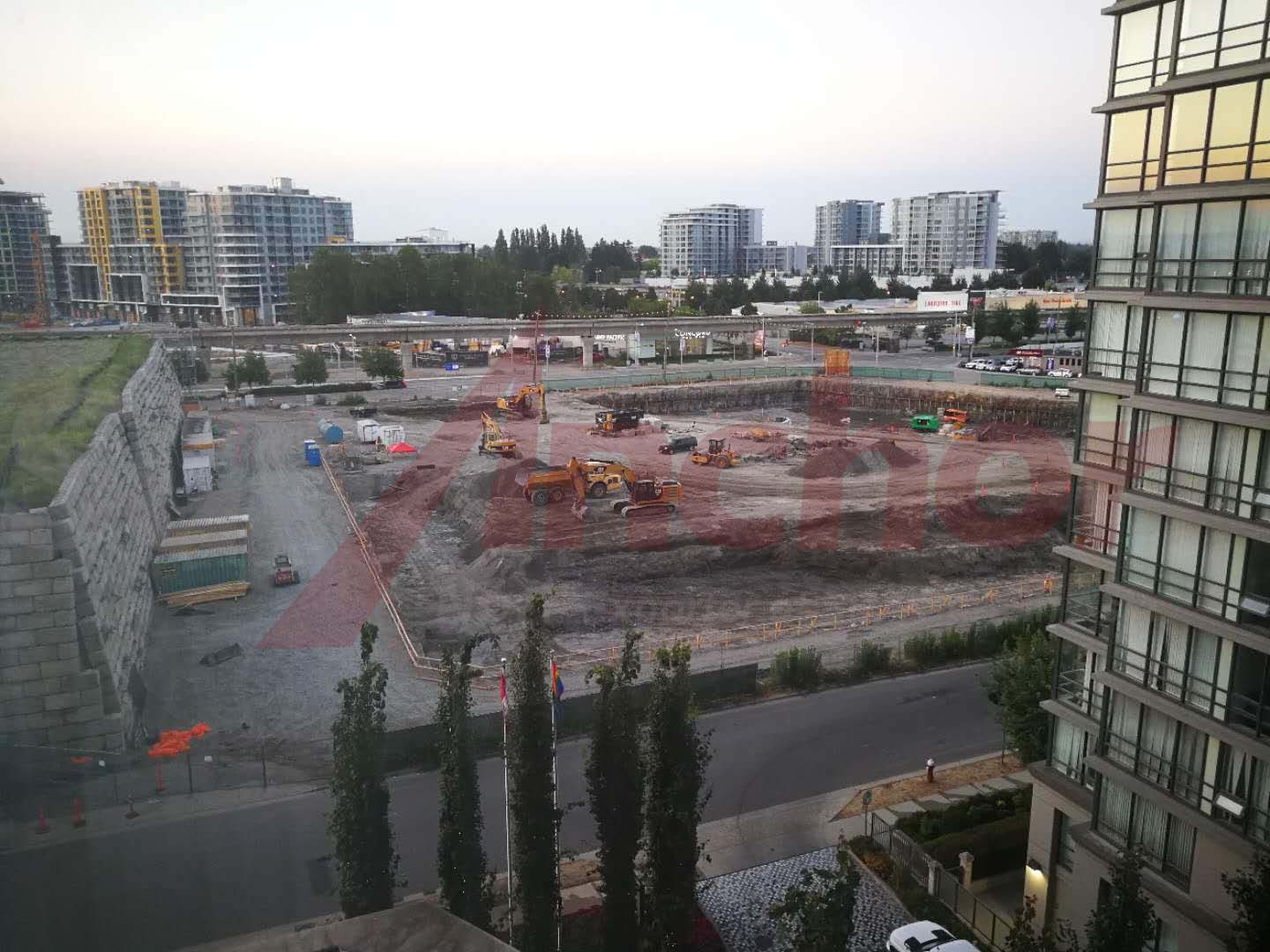
The highway expansion, part of a broader European infrastructure initiative, aims to increase capacity and safety on a route that winds through steep valleys and tunnels. The geology consists of highly fractured schist and gneiss, with zones of mylonite and localized faulting. These conditions create a high risk of slope instability, especially during excavation for lane widening and portal construction. Conventional drilling methods often result in borehole collapse, loss of drilling fluids, and slow progress due to the need for casing installation. The project's geotechnical consultants sought a solution that could provide immediate support while also serving as a permanent reinforcement element.
SupAnchor's self drilling anchor system was chosen after a comparative evaluation of several ground stabilization anchor systems. Its ability to drill through loose and cobbly ground without casing, while simultaneously injecting cement grout, proved decisive. The system also allowed for the anchor to be installed at angles necessary to stabilize the steep cut slopes, reducing the need for additional retaining structures. The project's contractor reported a 40% reduction in installation time compared to conventional methods, along with a significant decrease in material waste.
The use of a drill-and-grout bolt in this context highlights the growing adoption of hollow bar anchor technology in European civil engineering projects. As infrastructure ages and demands increase, owners are looking for solutions that minimize traffic disruption and environmental impact. The self drilling anchor for retaining walls, as applied here, enables rapid slope stabilization without the need for large excavation or heavy temporary works. This is particularly important in alpine regions where construction seasons are short and environmental regulations strict.
The SupAnchor bars deployed in this project are part of the R32 and R38 series, known for their robust performance in demanding ground conditions. The table below summarizes the key technical parameters that guided the design and installation.
| Parameter | R32 Series | R38 Series |
|---|---|---|
| Outer Diameter | 32 mm | 38 mm |
| Inner Diameter | 18 mm | 21 mm |
| Tensile Strength | 660 MPa | 660 MPa |
| Yield Strength | 500 MPa | 500 MPa |
| Standard Length | 3 m / 4 m / 6 m | 3 m / 4 m / 6 m |
| Corrosion Protection | Hot-dip galvanized (≥70 µm) | Hot-dip galvanized (≥70 µm) or duplex coating |
| Ultimate Load Capacity | ≥ 280 kN | ≥ 400 kN |
| Thread Type | Rope thread | Rope thread |
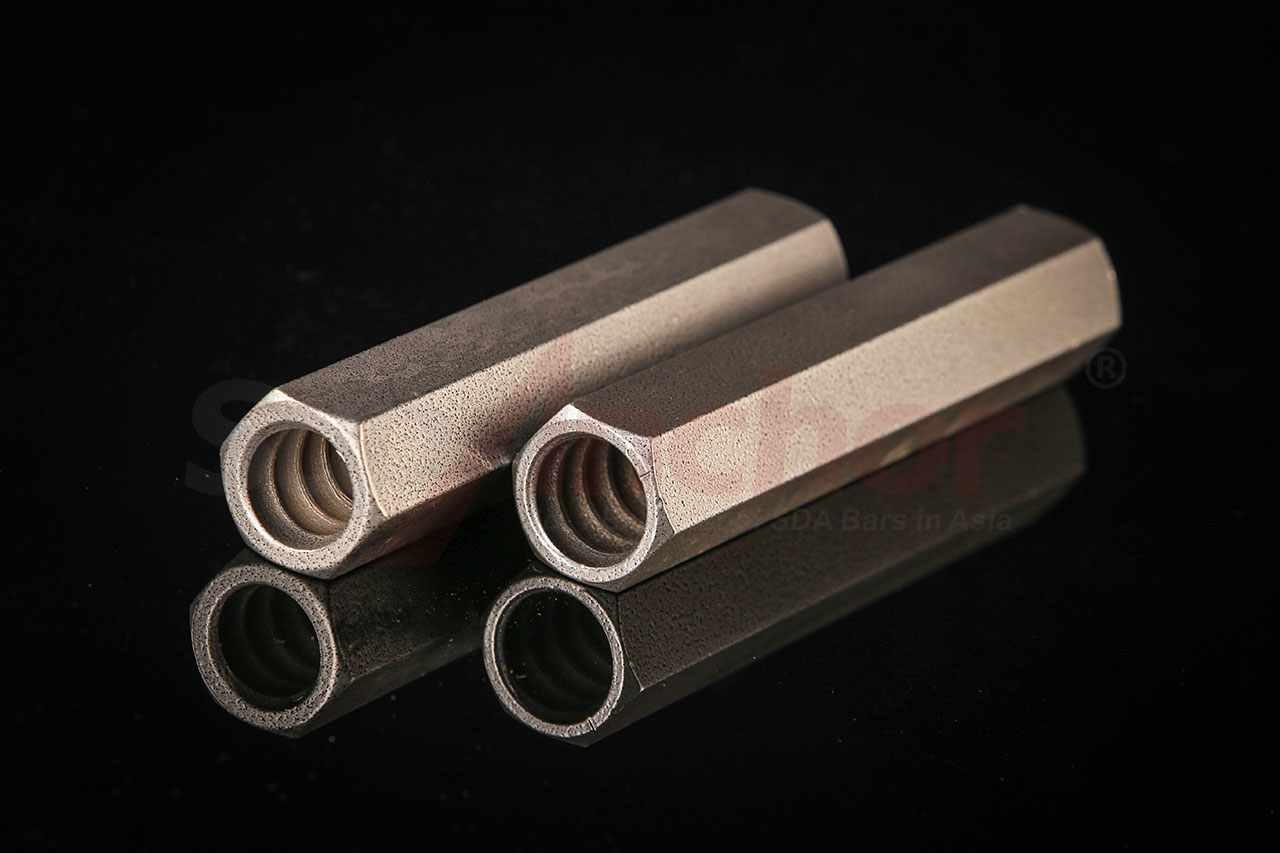
These specifications allow the SDA bolt factory direct supply products to be used as both temporary and permanent support. The hot-dip galvanized coating provides long-term corrosion resistance, essential for the alpine environment where de-icing salts and moisture are present. The rope thread design ensures a secure connection between bar sections, enabling installation lengths of up to 12 meters or more by coupling multiple bars. On-site pull-out tests confirmed that the anchors exceeded the required design loads, with ultimate capacities well above the working loads. The contractor also noted that the drill-and-grout bolt method produced a grout column that fully encapsulated the bar, further enhancing corrosion protection and load transfer.
The installation process involved a hydraulic rotary-percussive drill rig equipped with a grout pump. The sacrificial drill bit at the tip of the first bar allowed drilling through overburden and fractured rock. As drilling progressed, cement grout was pumped through the hollow core, exiting at the bit and filling the annular space. The continuous grout flow also served to stabilize the borehole, preventing collapse and reducing the risk of ground loss. In zones of high groundwater, the system's ability to inject grout under pressure helped to seal fractures and reduce water inflow—an added benefit for the tunnel portal areas.
The on-site image clearly illustrates the efficiency of the method: the rig is positioned on a stable bench, and the bar is being advanced with minimal disturbance. There is no casing, no separate grouting stage, and no need for a multi-step process. This integration of drilling and anchoring is a hallmark of the self drilling bolt for civil engineering, and it is rapidly becoming the preferred approach for difficult access projects worldwide.
The successful application of SupAnchor's ground anchor bolt factory products in this alpine project underscores a broader shift in geotechnical practice. Across Europe and North America, infrastructure owners are demanding more reliable and cost-effective solutions for slope stabilization, tunnel pre-support, and foundation reinforcement. The micropile hollow bar anchor, as a versatile element, is increasingly specified for both permanent and temporary works, replacing traditional methods that are slower and more labor-intensive.
Global trends in transportation infrastructure, such as the expansion of high-speed rail networks and the rehabilitation of aging road systems, are driving demand for anchor bolt systems for geotechnical engineering. In mountainous regions, the need for tunneling and rock support is particularly acute. The rock bolt for underground mining, while distinct in some applications, shares the same principle of active reinforcement and is seeing technological convergence with civil engineering anchors. SupAnchor's portfolio, which includes self drilling anchor systems for mining and tunneling, positions the company as a key supplier for these growing markets.
The use of soil nail system manufacturer products in highway projects also highlights the importance of quality control and traceability. SupAnchor's manufacturing facilities are ISO 9001 certified, and each bar is tested for dimensional accuracy, thread quality, and mechanical properties. The company's R&D team continuously works on improving the thread profile and coating processes to enhance performance in aggressive environments. This commitment to innovation aligns with the industry's push toward longer service life and lower maintenance costs.
From an economic perspective, the self drilling anchor for retaining walls offers significant advantages. By eliminating the need for casing and reducing the number of construction steps, contractors can save on labor, equipment, and time. The reduction in downtime is critical for projects with strict schedule constraints, such as highway corridors that must remain open during construction. The alpine project reported that traffic disruptions were minimized because slope stabilization could be performed from the existing roadway shoulder without full closures.
Environmental considerations also favor the hollow bar anchor technology. The system generates less spoil than conventional drilling because the hole is the same diameter as the bar, and grout injection displaces only a small volume of cuttings. This is especially important in sensitive alpine ecosystems where sediment discharge into streams is heavily regulated. The project's environmental monitoring showed negligible impact from the anchor installation, supporting the case for wider adoption of this method.
SupAnchor's engagement in this project reflects its core values of professionalism, innovation, and collaboration. The company worked closely with the project's geotechnical designers to optimize the anchor pattern and grout mix, providing technical support from initial design through installation. This collaborative approach ensures that each ground stabilization anchor system is tailored to the specific site conditions, rather than a one-size-fits-all solution. With a proven track record in over 50 countries, SupAnchor continues to supply high-quality geotechnical reinforcement systems to the global market.
Looking ahead, the demand for self drilling anchor systems is expected to grow as infrastructure investments increase, particularly in emerging economies and regions with challenging terrain. The need for efficient ground support in tunneling, mining, and slope protection will continue to drive innovation in anchor technology. SupAnchor's ongoing development of new products, including larger diameter bars and advanced corrosion protection, ensures that the company remains at the forefront of the industry. As this alpine project demonstrates, the right self drilling anchor bolt can make the difference between a risky, delayed construction and a successful, on-time delivery.
SupAnchor's self drilling anchor system deployed on an Alpine slope stabilization project, showcasing efficient installation and high-performance geotechnical reinforcement in challenging conditions.
SupAnchor's Grade 75 self-drilling hollow anchor bars deliver ASTM A615 performance, continuous T-thread bonding, and proven reliability for hydropower slope stabilization projects.
SupAnchor's self drilling anchor system deployed on an Alpine highway slope stabilization project, enabling fast drilling and grouting in fractured rock while meeting strict safety and environmental standards.
SupAnchor launches a corrosion-resistant GFRP friction bolt, offering lightweight, spark-free ground support for tunneling and mining.
SupAnchor's self drilling anchor system demonstrates superior performance in a challenging slope stabilization project, ensuring safety and efficiency.