
As global infrastructure ages and exposure to aggressive environments intensifies, engineers seek materials that marry strength with longevity. In a significant industry development, SupAnchor has rolled out its new SupFRP® GFRP Mesh, a glass fiber reinforced polymer grid designed to replace traditional steel mesh in demanding civil engineering applications. This launch addresses critical pain points in roof and wall protection, concrete structure repair, flat slab construction, and highway overlays, where corrosion, weight, and electrical conductivity pose persistent challenges.
The announcement comes at a time when coastal bridges, water treatment plants, and industrial floors increasingly suffer from steel reinforcement degradation. SupAnchor’s response leverages the inherent non‐metallic properties of GFRP—electrical non‐conductivity, magnetic transparency, and immunity to rust—to deliver a solution that drastically reduces lifecycle costs. “Our GFRP mesh is more than a material; it’s a strategic asset for projects where durability is non‐negotiable,” said a SupAnchor spokesperson.
Unlike welded metal mesh, which often requires heavy lifting equipment and protective coatings, the GFRP mesh is lightweight and flexible, simplifying on‐site handling and shaping. These characteristics prove invaluable in retrofit projects and confined workspaces, accelerating construction timelines without sacrificing structural integrity.
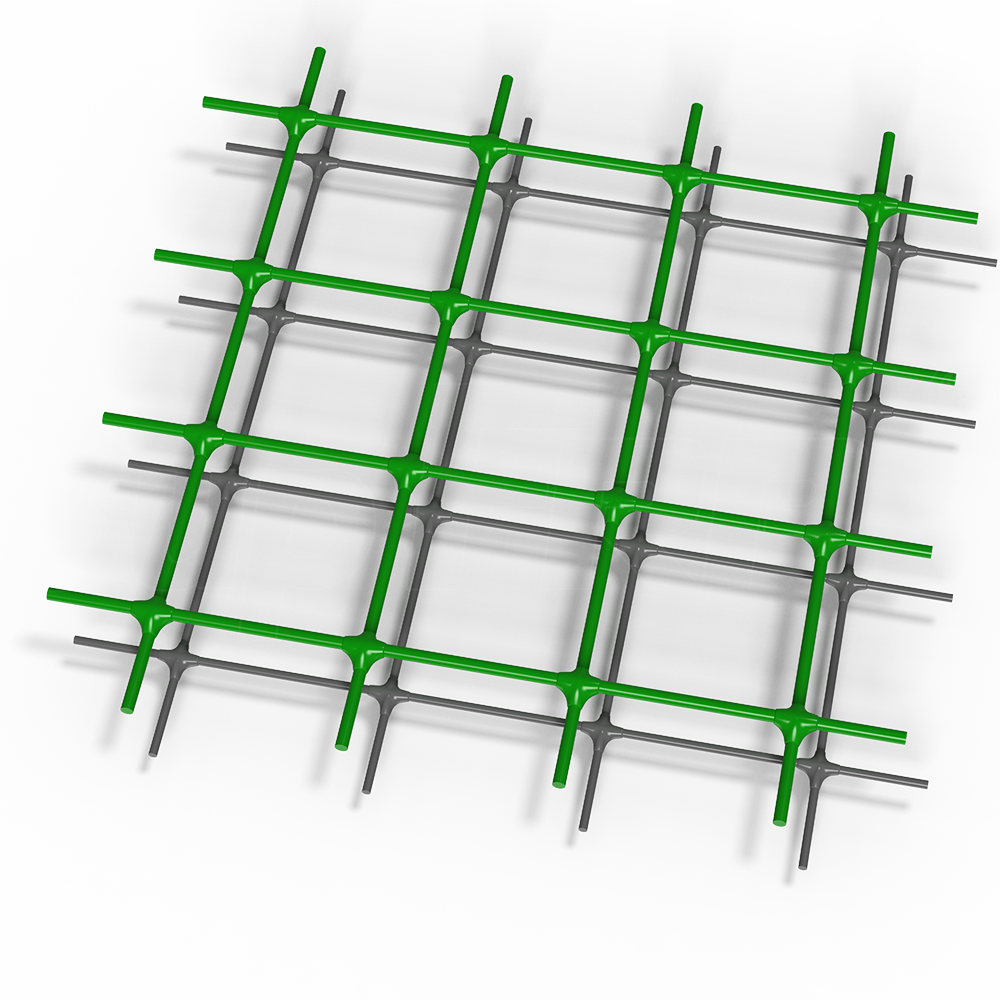
The SupFRP® GFRP Mesh is fabricated from longitudinal and transverse GFRP rods, bound at each intersection with polymer‐impregnated yarn. This manufacturing process yields joints that withstand substantial loads, ensuring uniform stress distribution across the grid. Detailed technical specifications underscore the product’s versatility:
| Model | Rod Diameter (mm) | Jointing Load (kN) | Standard Grid Sizes (mm) |
|---|---|---|---|
| M4 | 4 | 2 | 100x100, 150x1500* |
| M6 | 6 | 3 | 100x100, 150x1500* |
| M8 | 8 | 5 | 100x100, 150x1500* |
*Other grid sizes available upon request.
The rod diameters range from 4 mm to 8 mm, with jointing loads that escalate from 2 kN to 5 kN, making the mesh suitable for both light‐duty protective layers and heavier structural reinforcement. The grid dimensions—100×100 mm and the extended 150×1500 mm format—offer prescriptive layouts for widely‐used concrete slabs and overlay designs. Custom sizes are also manufactured, enabling engineers to specify exact requirements for complex geometries.
Corrosion resistance stands as the standout attribute. Unlike steel, GFRP does not oxidize when exposed to de‐icing salts, seawater, or industrial chemicals. This immunity eliminates the need for concrete cover to protect the reinforcement, allowing thinner, more material‐efficient structures. Additionally, the mesh’s electrical non‐conductivity renders it ideal for hospitals, data centers, and rail infrastructure where stray current can accelerate steel corrosion or disrupt sensitive equipment.
The lightweight nature—approximately one‐quarter the density of steel—translates into faster installation and lower transport costs. On a recent flat slab project, contractors reported a 30% reduction in manual handling time when switching from steel mesh to GFRP, according to SupAnchor’s case notes. The flexibility further enables on‐site cutting without specialized tools, adapting to curved surfaces and irregular boundaries common in heritage building restoration.
The deployment of SupFRP® GFRP Mesh is already being considered for several high‐profile infrastructure projects in Europe and North America. In highway overlays, the mesh serves as a crack‐arresting interlayer, preventing reflective cracking and extending pavement life by up to a decade. For coastal retaining walls, its corrosion‐free composition ensures that salt spray does not trigger the expansive spalling that plagues steel‐reinforced concrete. Similarly, in roof and wall protection systems, the mesh provides a durable, non‐conductive shield within shotcrete or cast‐in‐place concrete, safeguarding against water ingress and chemical attack.
The product’s adaptability extends to repair and strengthening of aging concrete structures. When bonded with epoxy or polymer‐modified mortars, the GFRP grid delivers external confinement akin to a structural jacket, boosting load‐bearing capacity without adding significant dead weight. This is particularly valuable for parking garages and bridges where vehicle clearance and foundation limits demand lightweight retrofitting solutions.
A notable advantage in urban settings is the mesh’s non‐magnetic property. In metro tunnels and MRI suites, steel reinforcement can interfere with signalling systems or imaging equipment. By specifying GFRP, designers sidestep electromagnetic compatibility issues, reducing the need for expensive shielding measures.
For flat slab construction, the mesh replaces traditional steel rebar or mesh, simplifying reinforcement layout and eliminating the risk of future rebar corrosion stains. The polymer joints ensure that large‐format grids can be rolled and transported efficiently, then unrolled on‐site with minimal labour. SupAnchor reports that a standard roll of M6 mesh weighs roughly half of a comparable steel mesh sheet, making crane‐free installation feasible.
SupAnchor has long been recognized as a leading geotechnical reinforcement system provider. The company’s portfolio encompasses self drilling anchor systems, hollow bar anchors, and drill‐and‐grout bolts that have powered mining and tunneling projects worldwide. The introduction of the GFRP mesh represents a logical extension of its materials engineering expertise, applying the same rigor to surface‐applied and embedded reinforcement.
“Innovation doesn’t happen in isolation,” commented a senior engineer. “Our experience with self drilling anchor bolts in corrosive ground conditions taught us the limitations of steel. That insight fuelled our investment in GFRP technology.” As an ISO 9001‐certified organization, SupAnchor adheres to stringent quality management protocols, ensuring that each mesh batch meets the declared jointing loads and dimensional tolerances. Independent testing by accredited laboratories has verified the corrosion resistance and tensile strength of the rods, providing engineers with reliable design values.
The company’s global footprint includes landmark projects such as the reinforcement of rock slopes along European railways and the stabilization of deep excavation in Middle Eastern metro expansions. In these applications, the self drilling anchor bolt has proven indispensable where loose overburden demands simultaneous drilling and grouting. Now, with the GFRP mesh, SupAnchor enhances its ability to serve as a comprehensive ground anchor bolt factory and soil nail system manufacturer, offering solutions that span from deep soil nails to surface‐applied meshes.
Collaboration with design institutes and contractors has shaped the mesh’s development. Feedback from a Scandinavian bridge consortium led to the optimization of the 150×1500 mm grid layout, which aligns with standard overlay thicknesses and concrete pouring practices. This collaborative R&D process underlines SupAnchor’s professional ethos—listening to the field and iterating rapidly.
The global push for sustainable construction practices further amplifies the market value of GFRP mesh. Because it eliminates corrosion‐related maintenance, the material significantly reduces the carbon footprint of structures over their service life. A lifecycle assessment comparing GFRP and galvanized steel mesh for a typical highway bridge overlay showed a 40% lower greenhouse gas emission over 50 years, owing to avoided repair cycles and longer replacement intervals.
As infrastructure stimulus programs ramp up in the United States and Europe, specifying durable materials becomes both an economic and regulatory priority. The American Concrete Institute and Eurocode have both published guidelines for fiber‐reinforced polymer reinforcement, paving the way for wider adoption. SupAnchor’s GFRP mesh aligns with these standards, giving designers confidence in code‐compliant construction.
Looking ahead, SupAnchor plans to extend the mesh range with hybrid configurations combining GFRP and carbon fiber for ultra‐high strength applications, such as blast‐resistant structures and earthquake‐prone zones. The company’s agile manufacturing setup allows rapid prototyping and custom solutions, ensuring that even the most demanding geotechnical reinforcement system requirements can be met.
For industry professionals seeking a reliable, corrosion‐free reinforcement alternative, the SupFRP® GFRP Mesh emerges as a compelling choice. Its combination of high strength, electrical isolation, and construction ease positions it as a benchmark in modern civil engineering. As the infrastructure sector continues to prioritize whole‐life cost and sustainability, SupAnchor’s latest innovation is poised to become a standard specification in projects that demand resilience without compromise.
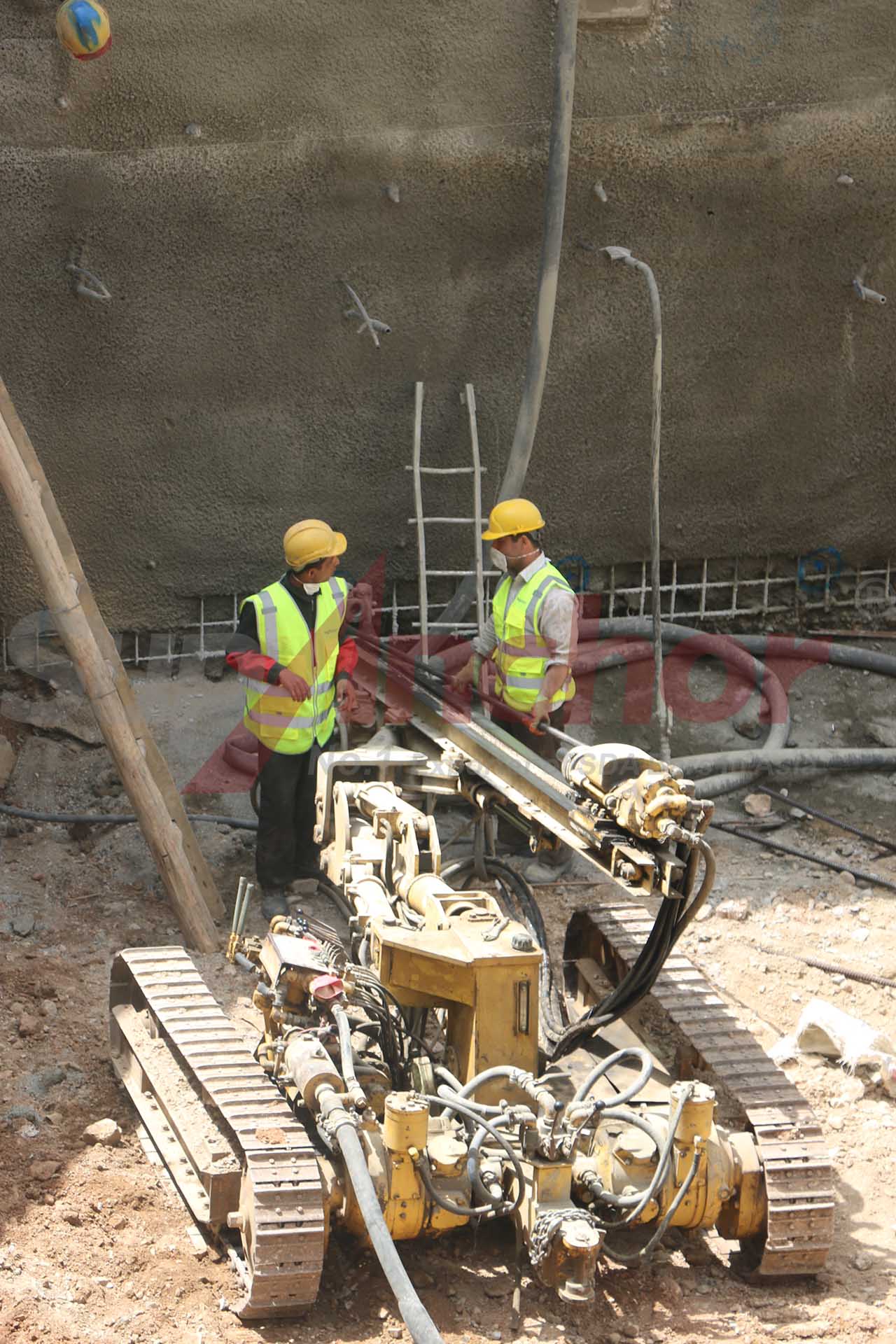
SupAnchor's self-drilling anchor system utilized in a challenging transportation project, delivering efficient ground stabilization and geotechnical reinforcement in difficult geology.
SupAnchor’s self-drilling anchor system was deployed in a European highway expansion to stabilize steep slopes amid difficult geology, showcasing advanced geotechnical reinforcement.
SupAnchor's T thread self-drilling hollow anchor system delivers integrated drilling and grouting, high bonding strength, and robust anti-corrosion options for tunneling, slope stabilization, and foundation reinforcement worldwide.
A major European highway expansion project overcame unstable ground conditions using SupAnchor’s self drilling anchor system, ensuring long-term slope stability and fast installation.
SupAnchor launches SupFRP GFRP reinforcement rebar, offering high tensile strength, corrosion resistance, and non-magnetic properties for tunnels, bridges, and marine structures.