
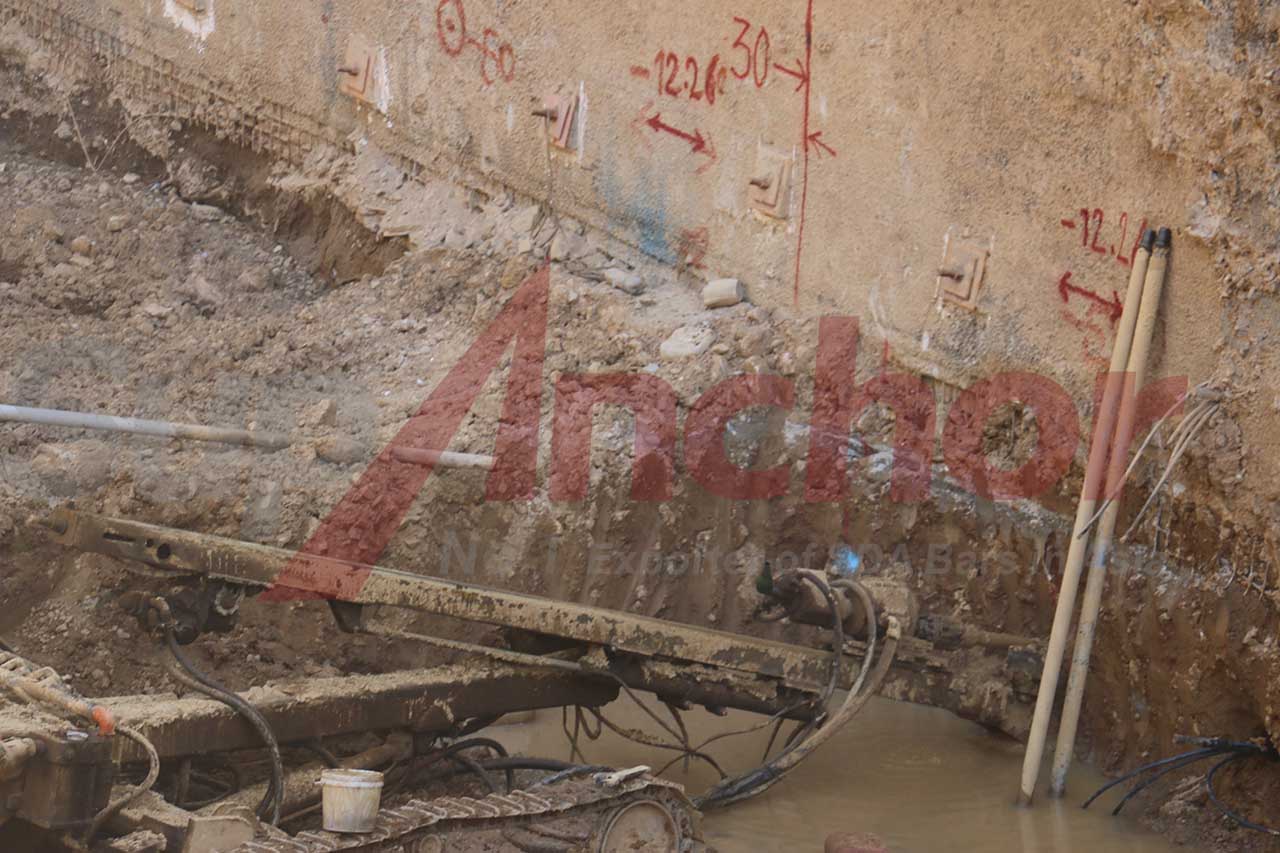
In the face of complex geological challenges, such as unstable slopes in hydropower stations and urban tunneling projects, the demand for reliable geotechnical reinforcement systems has surged. SupAnchor, a leading manufacturer in the field, has responded with its Grade 75 self-drilling hollow anchor bars, engineered to replace solid threaded bars in difficult terrains. These innovative self drilling anchor bolts offer a cost-effective and efficient solution, addressing critical engineering needs across Europe, America, and beyond, where infrastructure safety is paramount.
The Grade 75 self-drilling hollow anchor bars are designed according to ASTM A615 standards, featuring a continuous T-thread that enhances bond performance in concrete through a relatively higher rib area. This design is crucial for applications where traditional methods fall short, such as in loose or fractured rock formations. On-site, these bars streamline the installation process by integrating drilling and anchoring into a single step, reducing labor costs and project timelines. Key parameters from the product introduction highlight their mechanical robustness:
| Parameter | Value |
|---|---|
| Elongation | ≥ 6% |
| Yield Load | Approximately 147 kN (33 kips) |
| Ultimate Load | Approximately 196 kN (44 kips) |
| Weight | Approximately 2.6 kg/m (1.75 lbs/ft) |
| Thread Orientation | Left-hand thread |
These specs directly address engineering challenges: the high yield and ultimate loads ensure structural integrity under stress, while the left-hand thread orientation prevents loosening in dynamic environments. Compatibility with SupAnchor's existing R and T thread products allows for seamless integration into diverse systems, making it a versatile geotechnical reinforcement system for projects ranging from slope stabilization to foundation reinforcement.
SupAnchor's self drilling anchor system is tailored for high-risk applications, including:
This adaptability has positioned SupAnchor as a key player in the market, with its products being deployed in projects across continents, driven by the growing focus on geotechnical safety in infrastructure development.
SupAnchor's commitment to innovation is evident in its robust R&D efforts, which have led to ISO-certified manufacturing processes and a portfolio of global projects. The company's emphasis on collaboration with engineering firms ensures that products like the Grade 75 self drilling anchor bolt meet evolving industry demands. By fostering a professional and innovative approach, SupAnchor enhances its brand influence, contributing to safer and more sustainable infrastructure worldwide. Future developments aim to expand applications in renewable energy and transportation sectors, reinforcing its role as a ground anchor bolt factory of choice.
In summary, SupAnchor's Grade 75 self-drilling hollow anchor bars represent a significant advancement in geotechnical engineering, blending technical precision with practical adaptability. As the world grapples with infrastructure challenges, such solutions underscore the importance of professional, innovative, and collaborative approaches in ensuring long-term stability and safety.
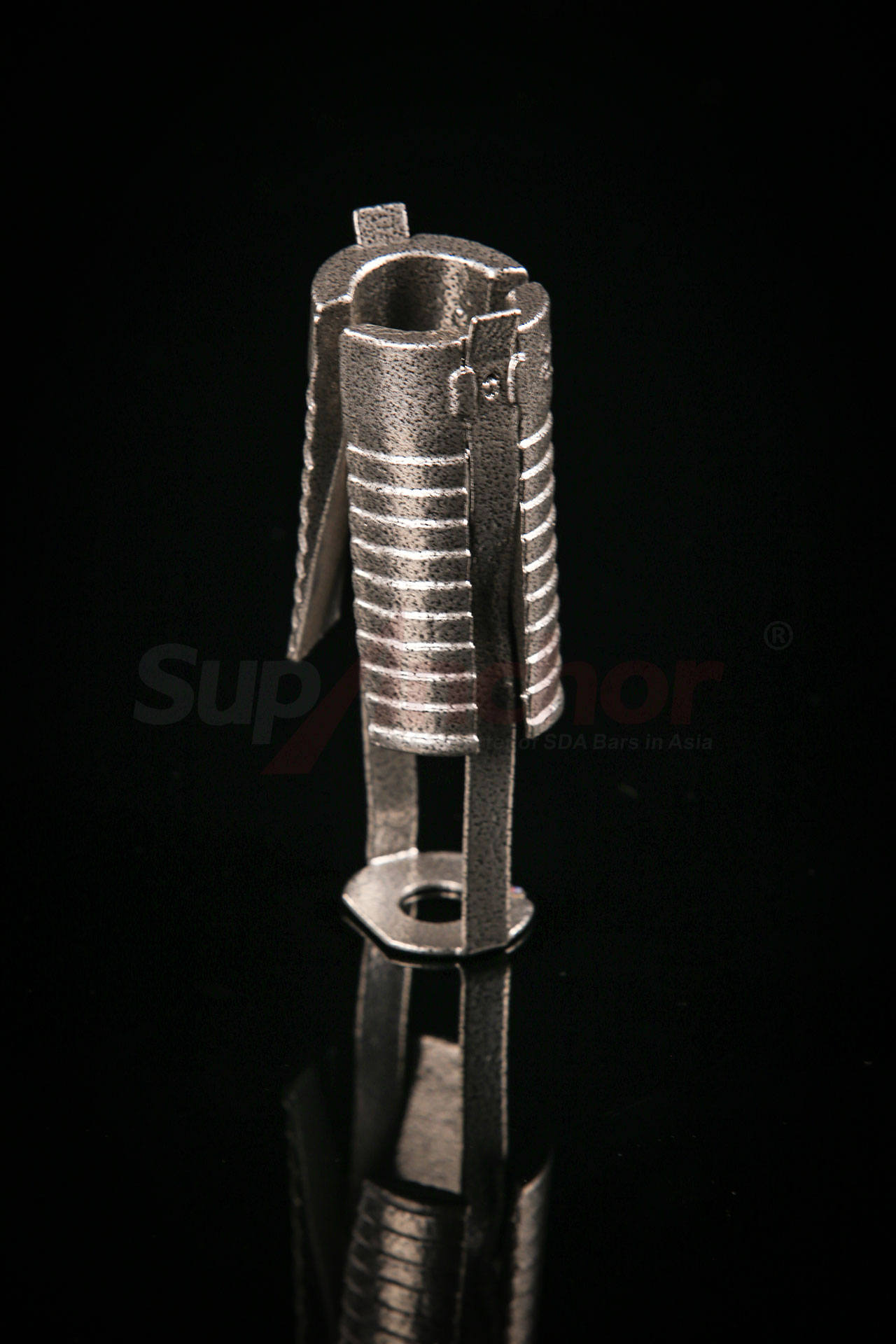
SupAnchor's self drilling anchor system deployed on an Alpine slope stabilization project, showcasing efficient installation and high-performance geotechnical reinforcement in challenging conditions.
SupAnchor's Grade 75 self-drilling hollow anchor bars deliver ASTM A615 performance, continuous T-thread bonding, and proven reliability for hydropower slope stabilization projects.
SupAnchor's self drilling anchor system deployed on an Alpine highway slope stabilization project, enabling fast drilling and grouting in fractured rock while meeting strict safety and environmental standards.
SupAnchor launches a corrosion-resistant GFRP friction bolt, offering lightweight, spark-free ground support for tunneling and mining.
SupAnchor's self drilling anchor system demonstrates superior performance in a challenging slope stabilization project, ensuring safety and efficiency.