
In an era where infrastructure longevity and sustainability are paramount, construction projects across Europe and America are increasingly demanding materials that can withstand harsh environmental conditions. SupAnchor, a leader in geotechnical reinforcement systems, has responded with the launch of its SupAnchor® GFRP Mesh, a cutting-edge grid product engineered to replace traditional welded metal meshes. This innovation comes at a critical time, as industries seek alternatives that combine high strength with corrosion resistance, particularly in applications such as coastal highway overlays and urban concrete structure repairs.
The development of the GFRP Mesh aligns with SupAnchor's commitment to providing professional and innovative solutions for global infrastructure challenges. By leveraging advanced composite materials, this product addresses key engineering needs, from reducing maintenance costs to enhancing safety in non-conductive environments. As part of SupAnchor's broader portfolio, which includes self drilling anchor systems and hollow bar anchors, the GFRP Mesh exemplifies the brand's collaborative approach to geotechnical reinforcement.
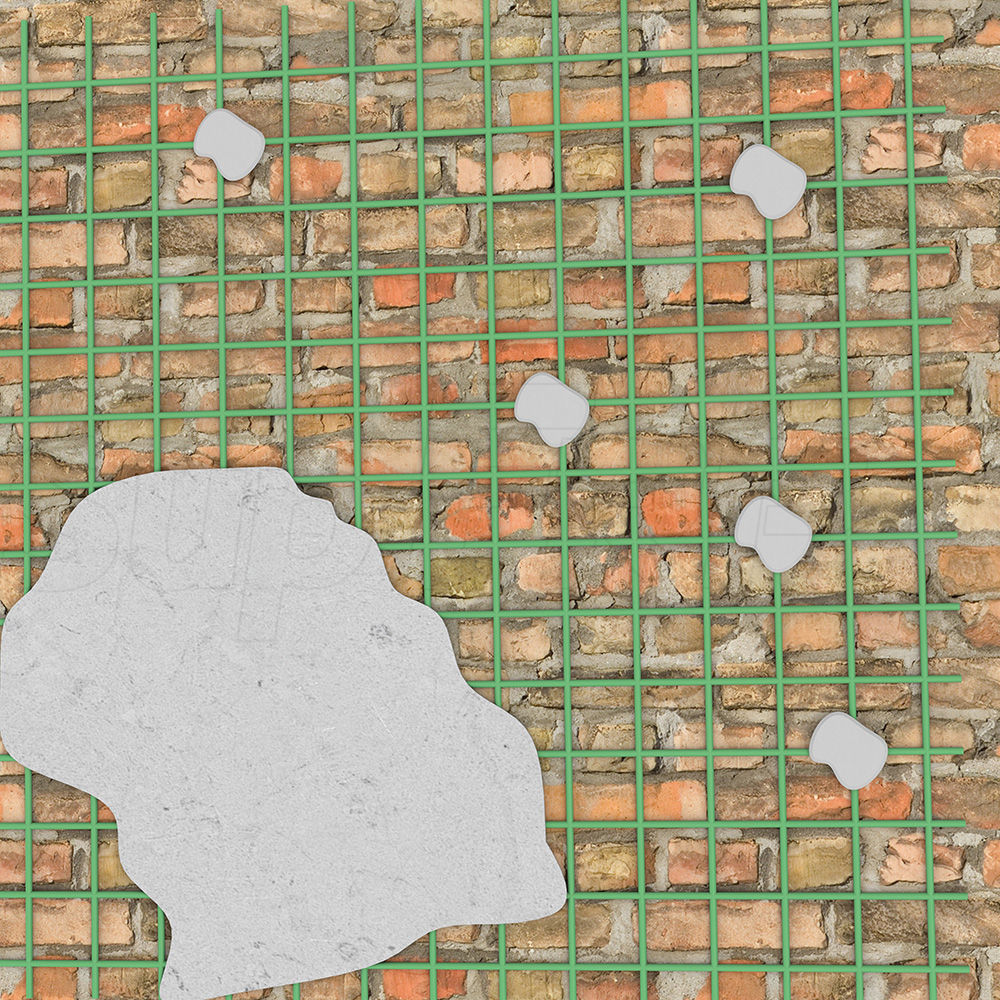
The SupAnchor® GFRP Mesh is assembled from longitudinal and transverse Glass Fiber Reinforced Polymer (GFRP) rods, with joints secured by impregnated polymer yarn to ensure reliability. This design not only provides exceptional tensile strength but also offers significant advantages over metal alternatives. Key technical parameters, derived from extensive R&D, include rod diameter, jointing load, and grid size, which are critical for tailoring the mesh to specific project requirements. For instance, in flat slab construction, the lightweight nature of the GFRP Mesh reduces structural load, while its non-conductive properties make it ideal for areas with electrical hazards.
To illustrate the technical data, the following table summarizes the available specifications for the M4, M6, and M8 models, adhering to SupAnchor's high standards for quality and adaptability. The data highlights how these specs directly solve engineering challenges, such as ensuring joint integrity in dynamic loads or providing flexibility for custom grid sizes.
| Model | Rod Diameter (mm) | Jointing Load (kN) | Grid Size (mm) |
|---|---|---|---|
| M4 | 4 | 2 | 100x100, 150x150, *1 (custom available) |
| M6 | 6 | 3 | 100x100, 150x150, *1 (custom available) |
| M8 | 8 | 5 | 100x100, 150x150, *1 (custom available) |
These specifications enable the GFRP Mesh to outperform traditional materials in several ways. The high corrosion resistance ensures longevity in saline or acidic environments, common in coastal projects, while the non-magnetic feature is crucial for applications near sensitive electronic equipment. Moreover, the product's adaptability allows for seamless integration with other SupAnchor systems, such as self drilling anchor bolts and drill-and-grout bolts, creating comprehensive geotechnical reinforcement solutions.
The GFRP Mesh finds its niche in diverse construction scenarios, reflecting SupAnchor's focus on engineering adaptability. Primary applications include:
These applications demonstrate how the GFRP Mesh addresses real-world challenges, such as those encountered in European tunneling projects or American mining operations, where geotechnical safety is paramount. By offering a flexible alternative to metal meshes, SupAnchor empowers engineers to design more resilient and sustainable infrastructure.
Globally, the construction industry is shifting towards materials that offer long-term value and environmental benefits. SupAnchor's GFRP Mesh contributes to this trend by reducing carbon footprints through extended product lifespans and lower energy consumption during installation. In contexts like geotechnical reinforcement systems, the mesh complements other SupAnchor products, such as hollow bar anchors and soil nail systems, fostering a holistic approach to ground stabilization.
SupAnchor's brand influence is built on a foundation of innovation and professionalism. With ISO certifications and a robust R&D department, the company consistently delivers products that meet international standards. Notable global projects, including collaborations in European coastal defenses and American highway networks, showcase the GFRP Mesh's efficacy. This track record reinforces SupAnchor's message of being a collaborative partner in infrastructure development, dedicated to advancing construction technologies.
In conclusion, the SupAnchor® GFRP Mesh represents a significant step forward in construction material science. By combining high performance with practical benefits, it not only solves immediate engineering challenges but also supports broader industry goals of durability and safety. As SupAnchor continues to innovate, products like this mesh, alongside its self drilling anchor system and other offerings, position the company as a key player in shaping the future of geotechnical reinforcement worldwide.
SupAnchor's self drilling anchor system deployed on an Alpine slope stabilization project, showcasing efficient installation and high-performance geotechnical reinforcement in challenging conditions.
SupAnchor's Grade 75 self-drilling hollow anchor bars deliver ASTM A615 performance, continuous T-thread bonding, and proven reliability for hydropower slope stabilization projects.
SupAnchor's self drilling anchor system deployed on an Alpine highway slope stabilization project, enabling fast drilling and grouting in fractured rock while meeting strict safety and environmental standards.
SupAnchor launches a corrosion-resistant GFRP friction bolt, offering lightweight, spark-free ground support for tunneling and mining.
SupAnchor's self drilling anchor system demonstrates superior performance in a challenging slope stabilization project, ensuring safety and efficiency.