
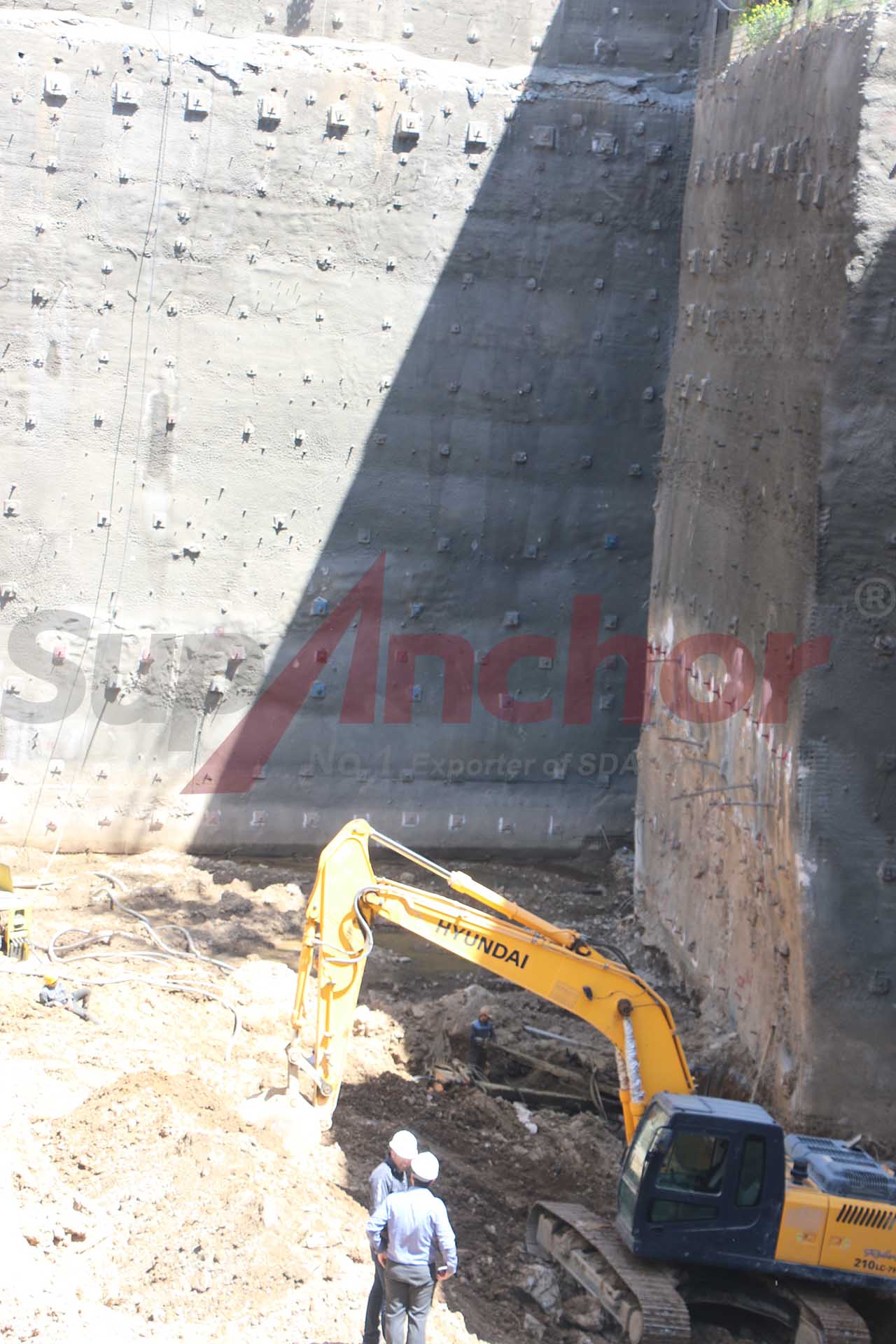
In a recent large-scale hydropower station slope stabilization project in the European Alps, engineers faced steep, unstable terrain with complex geological conditions, including loose soil and rock fractures. SupAnchor's innovative self-drilling anchor system provided a reliable solution, enabling efficient installation and enhanced safety. This project highlights the growing demand for advanced geotechnical reinforcement systems in infrastructure development across Europe and North America.
The installation process for SupAnchor's Grade 75 self-drilling hollow anchor bars involves drilling and grouting in one step, reducing labor and time compared to traditional methods. Key mechanical properties address common engineering challenges, such as poor bond strength in weak soils. For instance, the continuous T-thread design increases rib area, improving adhesion in concrete and rock, while the left-hand thread orientation prevents loosening under dynamic loads. Below is a summary of critical specifications:
| Property | Value |
|---|---|
| Elongation | ≥ 6% |
| Yield Load | Approximately 147 kN (33 kips) |
| Ultimate Load | Approximately 196 kN (44 kips) |
| Weight | Approximately 2.6 kg/m (1.75 lbs/ft) |
| Thread Orientation | Left-hand thread |
These features make the self-drilling anchor bolt ideal for drill-and-grout applications, where rapid deployment and high tensile strength are crucial. By replacing solid threaded bars, SupAnchor's hollow bar anchor reduces material costs and environmental impact, aligning with sustainable construction practices.
SupAnchor's products are widely used in slope stabilization, tunneling, and foundation reinforcement across global infrastructure projects. In mining operations, the self-drilling anchor system ensures roof stability in underground excavations, while in urban development, it supports deep foundation works for skyscrapers. The geotechnical reinforcement system's adaptability to various soil types enhances safety in earthquake-prone regions, contributing to reduced risks in construction. As infrastructure investments rise in Europe and America, these hollow bar anchors play a vital role in maintaining structural integrity and prolonging asset lifespans.
SupAnchor demonstrates a commitment to innovation through extensive research and development, backed by ISO certifications that ensure quality and reliability. The company's self-drilling anchor bolt designs have been deployed in numerous international projects, from highway expansions in the United States to tunnel constructions in Scandinavia. Emphasizing a collaborative approach, SupAnchor works closely with engineers to tailor solutions, reinforcing its reputation as a professional partner in the geotechnical sector. This focus on continuous improvement and customer engagement drives the brand's growth in competitive markets.
Overall, SupAnchor's Grade 75 self-drilling hollow anchor bars exemplify how advanced engineering can address complex geotechnical challenges, fostering safer and more efficient infrastructure worldwide. The self-drilling anchor system's integration into major projects underscores its value in modern construction, paving the way for future innovations in the industry.
SupAnchor's self drilling anchor system deployed on an Alpine slope stabilization project, showcasing efficient installation and high-performance geotechnical reinforcement in challenging conditions.
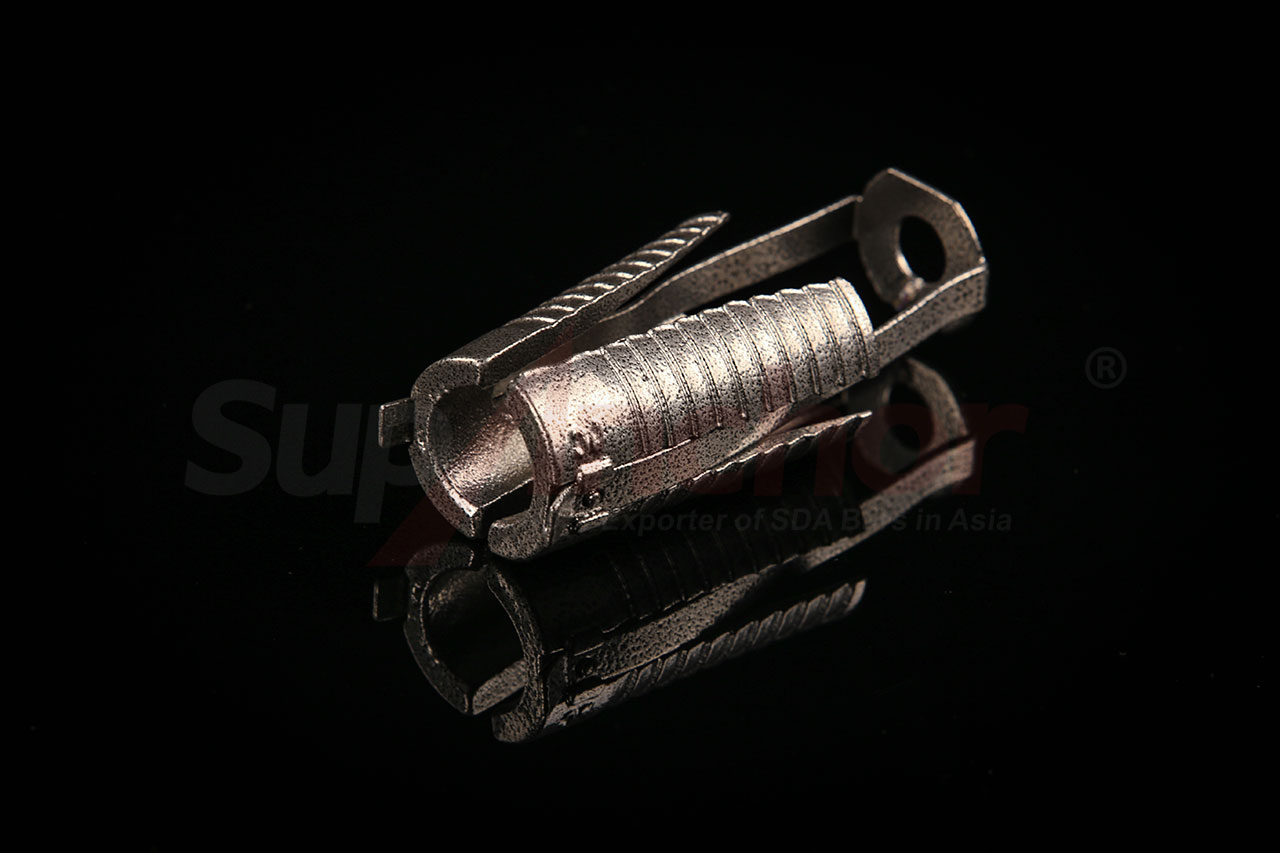
SupAnchor's Grade 75 self-drilling hollow anchor bars deliver ASTM A615 performance, continuous T-thread bonding, and proven reliability for hydropower slope stabilization projects.
SupAnchor's self drilling anchor system deployed on an Alpine highway slope stabilization project, enabling fast drilling and grouting in fractured rock while meeting strict safety and environmental standards.
SupAnchor launches a corrosion-resistant GFRP friction bolt, offering lightweight, spark-free ground support for tunneling and mining.
SupAnchor's self drilling anchor system demonstrates superior performance in a challenging slope stabilization project, ensuring safety and efficiency.