
In a recent infrastructure project along Europe's coastal highways, engineers faced significant challenges from saltwater corrosion and heavy traffic loads, threatening the longevity of concrete structures. SupAnchor, a leader in geotechnical solutions, stepped in with its innovative SupFRP® GFRP Mesh, providing a reliable alternative to traditional materials. This product, part of SupAnchor's comprehensive geotechnical reinforcement system, addresses key engineering needs while upholding the brand's commitment to professionalism and innovation.
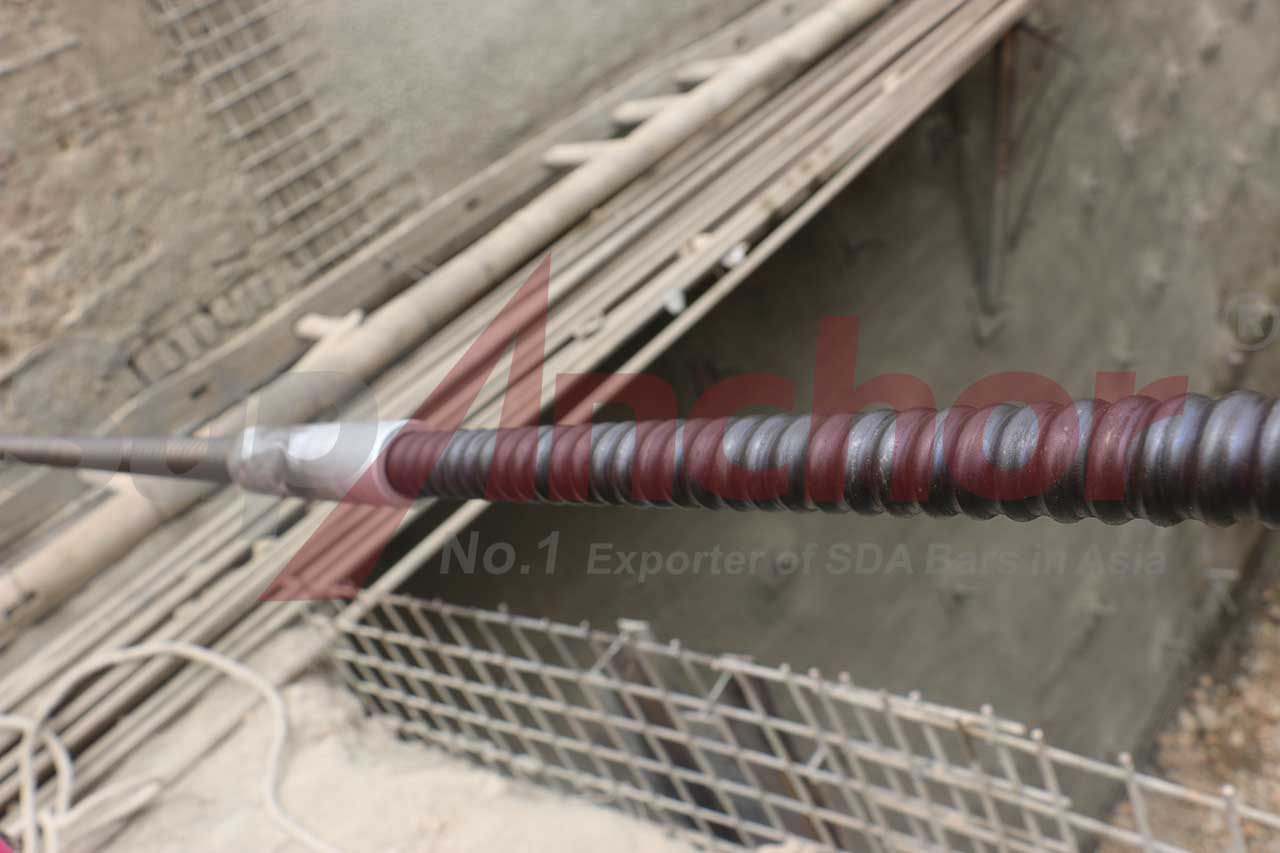
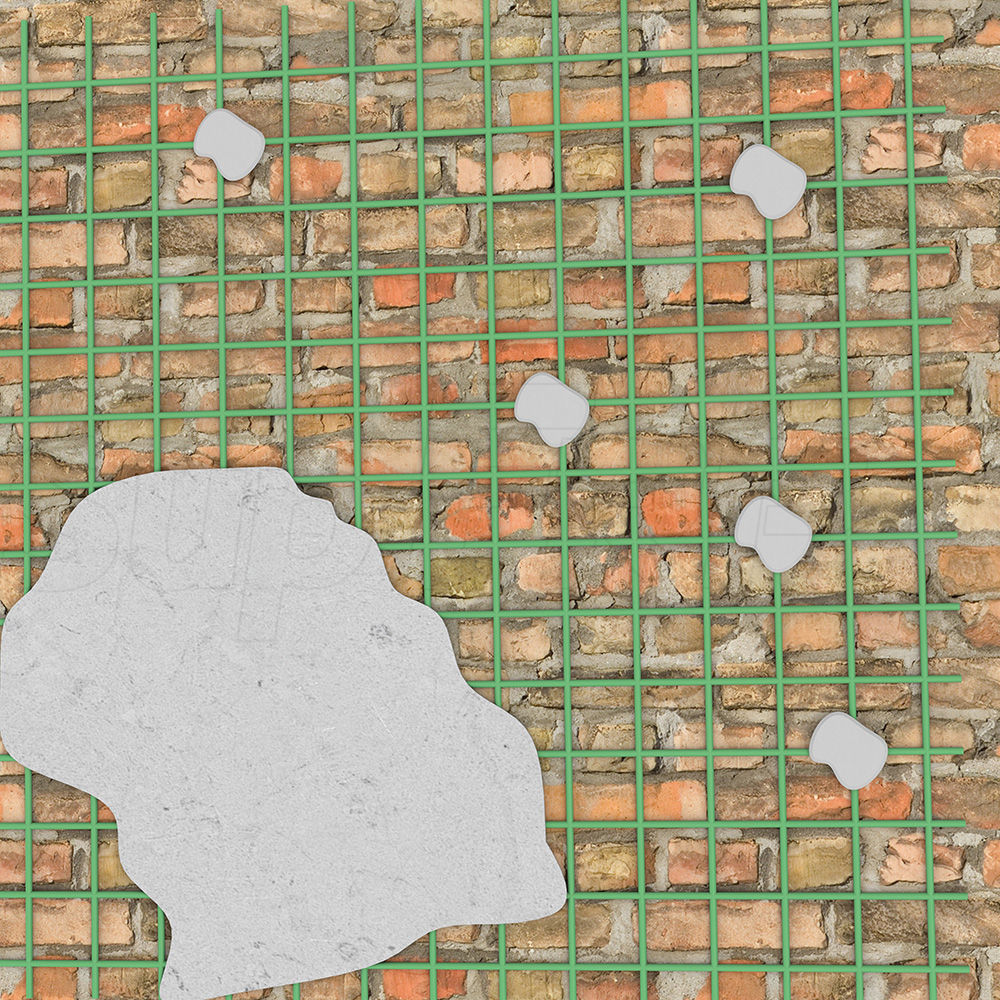
The SupAnchor GFRP Mesh is engineered with glass fiber reinforced polymer rods, fixed by impregnated polymer yarn for strong joints, ensuring durability in harsh conditions. Its technical parameters highlight how it solves common issues like weight and corrosion in construction. For example, the mesh's lightweight nature reduces installation time, while its non-conductive properties enhance safety near electrical infrastructure. Below is a summary of key variants:
| Variant | Rod Diameter (mm) | Jointing Load (kN) | Standard Grid Sizes (mm) |
|---|---|---|---|
| M4 | 4 | 2 | 100x100, 150x1500 |
| M6 | 6 | 3 | 100x100, 150x1500 |
| M8 | 8 | 5 | 100x100, 150x1500 |
Note: Other grid sizes are available upon request. These specs make the mesh ideal for integration with SupAnchor's self drilling anchor system, providing a holistic approach to reinforcement. The high jointing load ensures stability, while the corrosion resistance extends service life, reducing maintenance costs in projects involving drill-and-grout bolts or hollow bar anchors.
The GFRP Mesh is versatile, suited for various construction contexts where durability and safety are paramount. Key applications include:
In geotechnical projects, such as tunnel lining or slope stabilization, the mesh complements SupAnchor's self drilling anchor bolt systems. For instance, in mining operations, the non-magnetic property prevents interference with equipment, while the lightweight design allows for quick deployment alongside hollow bar anchors. This adaptability underscores its value in diverse environments, from urban developments to remote infrastructure.
The adoption of GFRP Mesh reflects broader trends in global infrastructure towards sustainable and safe materials. SupAnchor's R&D focus on innovation has led to ISO-certified products that meet international standards, supporting projects worldwide. The company's collaborative ethos ensures that solutions like this mesh are tailored to client needs, fostering partnerships that drive industry progress. By reducing reliance on corrosive metals, the mesh contributes to longer-lasting structures, aligning with goals for geotechnical reinforcement system efficiency. SupAnchor's reputation for professionalism is bolstered by such advancements, positioning it as a key player in the market for self drilling anchor systems and related technologies.
Overall, SupAnchor's GFRP Mesh represents a significant step forward in construction materials, offering practical benefits that enhance project outcomes. Its integration into geotechnical reinforcement systems demonstrates the brand's innovative and collaborative spirit, paving the way for safer, more resilient infrastructure globally.
SupAnchor's self drilling anchor system deployed on an Alpine slope stabilization project, showcasing efficient installation and high-performance geotechnical reinforcement in challenging conditions.
SupAnchor's Grade 75 self-drilling hollow anchor bars deliver ASTM A615 performance, continuous T-thread bonding, and proven reliability for hydropower slope stabilization projects.
SupAnchor's self drilling anchor system deployed on an Alpine highway slope stabilization project, enabling fast drilling and grouting in fractured rock while meeting strict safety and environmental standards.
SupAnchor launches a corrosion-resistant GFRP friction bolt, offering lightweight, spark-free ground support for tunneling and mining.
SupAnchor's self drilling anchor system demonstrates superior performance in a challenging slope stabilization project, ensuring safety and efficiency.